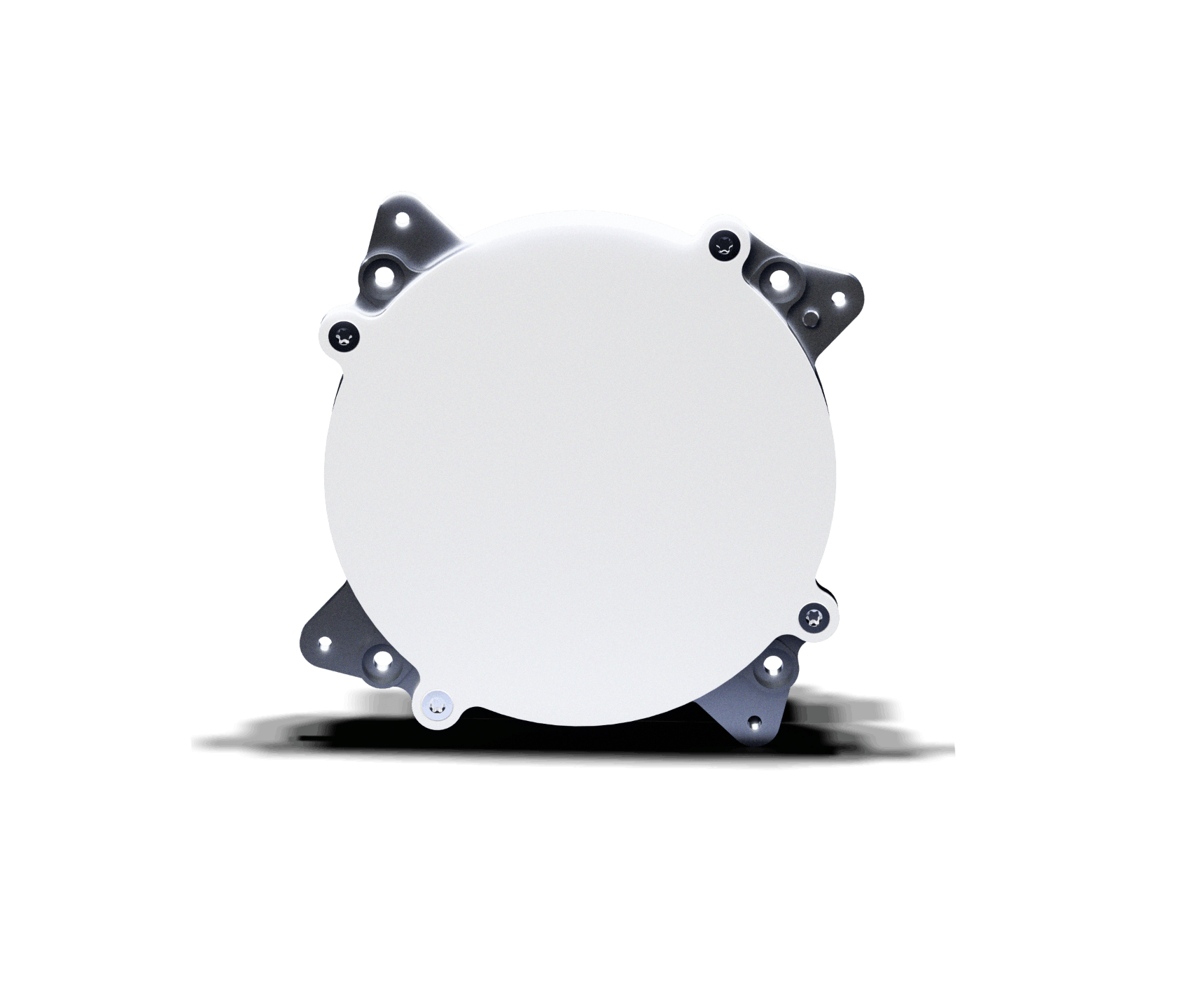
GNSS All-Bands Antenna with LNA Integrated Board
Technical specifications
Galileo E1/E5a/E5b/E6,
GLONASS G1/G2/G3,
BeiDou B1/B2a/B2/B3
Integrated LNA. Less cable. Better signal.
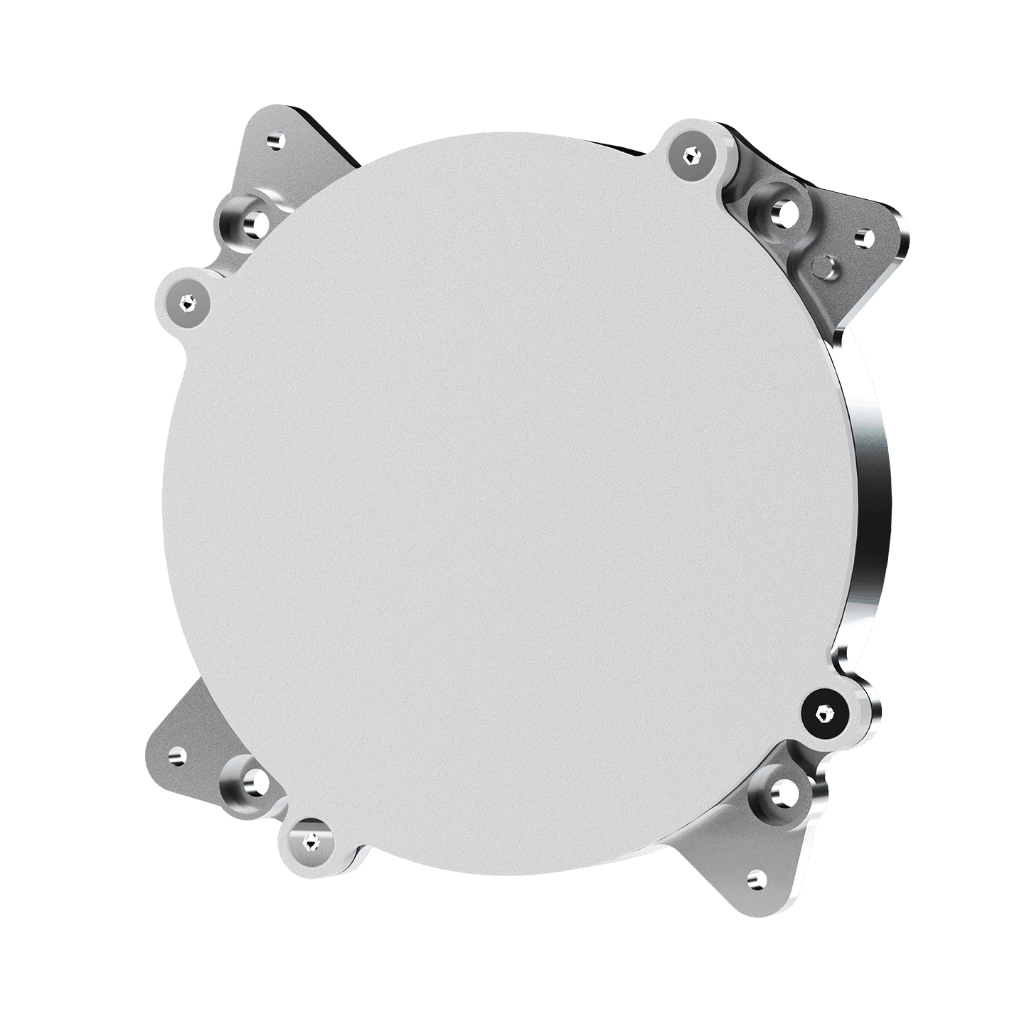
LNA integrated at the antenna — no cable loss from the first stage
By placing the low-noise amplifier directly within the antenna housing, the GNSS signal is amplified before it travels through any cable to the receiver. This mitigates the noise contribution of cable losses at the most critical point of the RF chain — the first stage — where every tenth of a dB of additional noise figure directly degrades receiver sensitivity. The LNA delivers a typical gain of 22 dB and a noise figure of 1.8 dB, ensuring the GNSS receiver operates with the cleanest possible input signal.
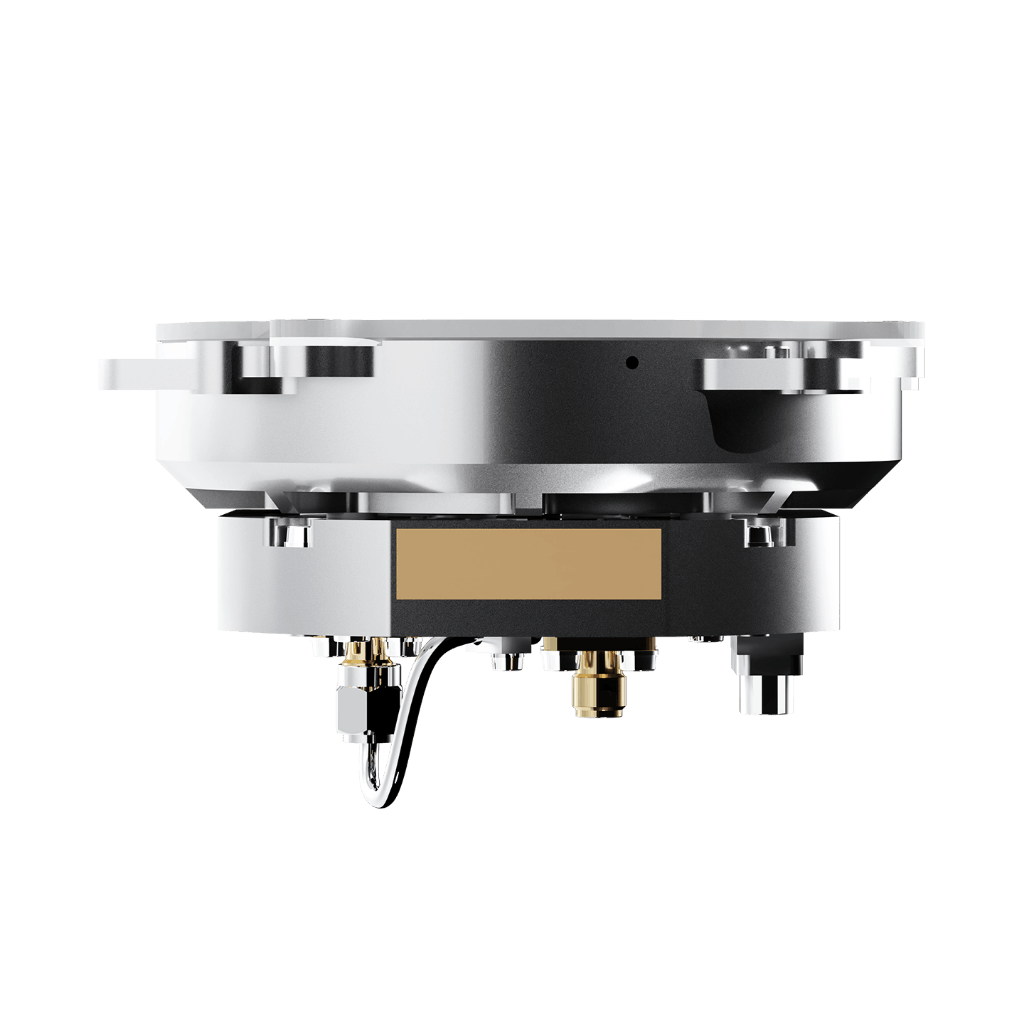
Integrated S-Band filter for clean RF coexistence
The LNA Board integrates a sharp S-Band filter that provides strong rejection of signals from onboard S-Band TT&C antennas, which operate adjacent to the GNSS band. This is a critical system engineering advantage: it eliminates the need for an external filter in the RF chain and significantly reduces the risk of intermodulation or desensitisation of the GNSS receiver caused by S-Band transmissions during TT&C uplink. Compatible by design with Anywaves’ S-Band TT&C Antenna family.
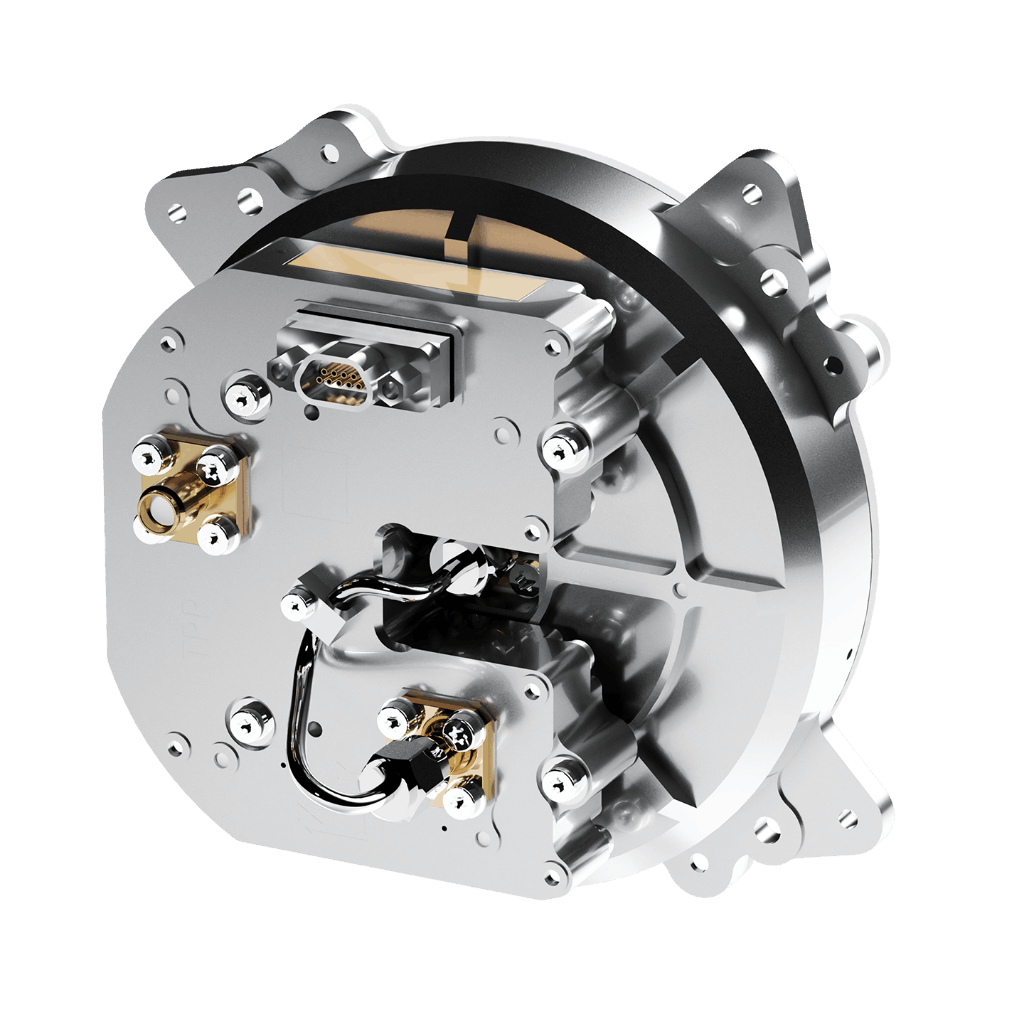
Space-qualified active system — 7-year orbit lifetime
The antenna and LNA block are co-qualified as a single assembly for LEO missions up to 7 years in orbit plus 1 year on ground. The GNSS antenna element is protected by a PEEK radome with anti-ESD coating. The LNA electronics are radiation-hardened by design: the DC/DC parts are TID tolerant up to 40 krad, and the GaAs RF section is intrinsically tolerant up to 300 krad — covering the full radiation dose expected in most LEO missions.
All GNSS constellations. Integrated LNA. Ready to connect.
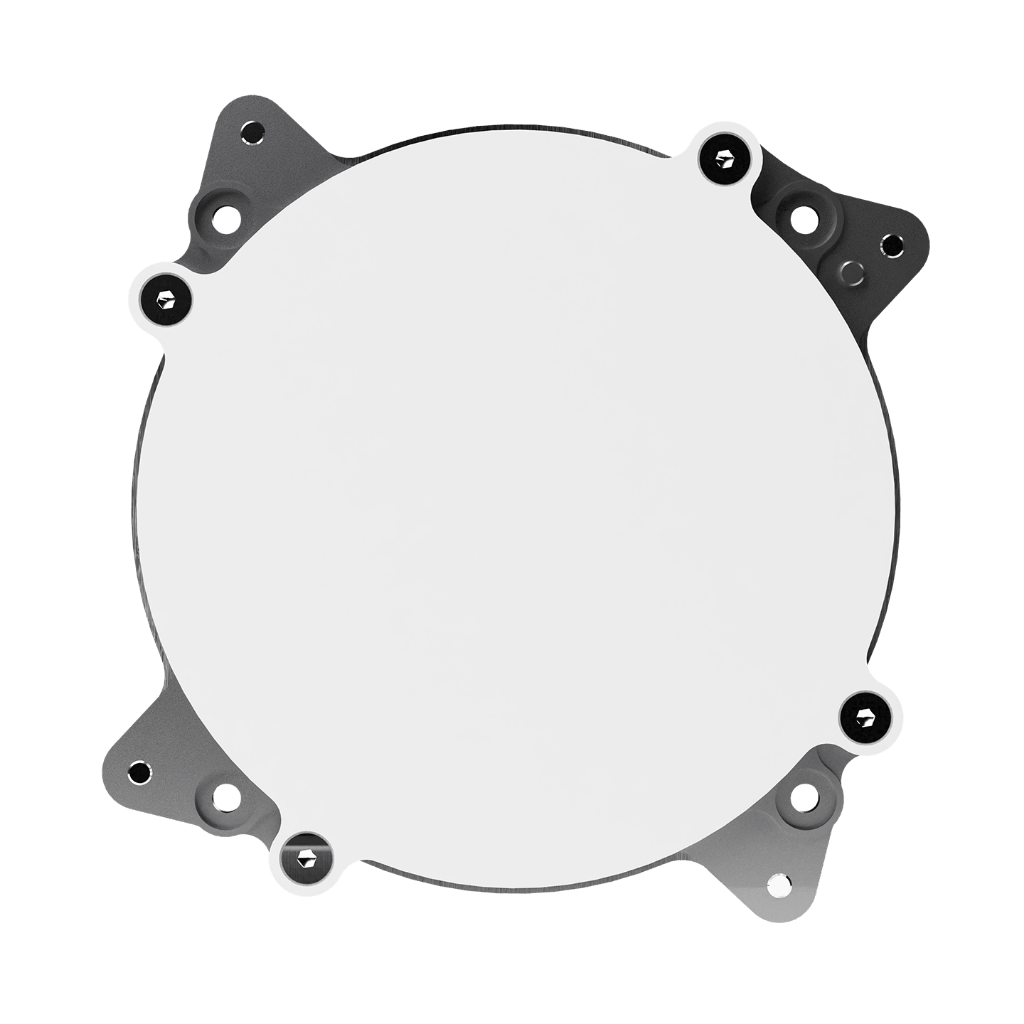
The Anywaves GNSS All-Bands Antenna with LNA Integrated Board is the active evolution of the GNSS All-Bands Antenna. It combines full multi-constellation coverage (1.16–1.61 GHz — GPS, Galileo, GLONASS, BeiDou, INMARSAT L-band) with an integrated LNA that amplifies the signal at the antenna itself, before any cable loss can degrade the noise figure. This simplifies spacecraft RF architecture, reduces the component count, and maximises GNSS receiver sensitivity from first principles.
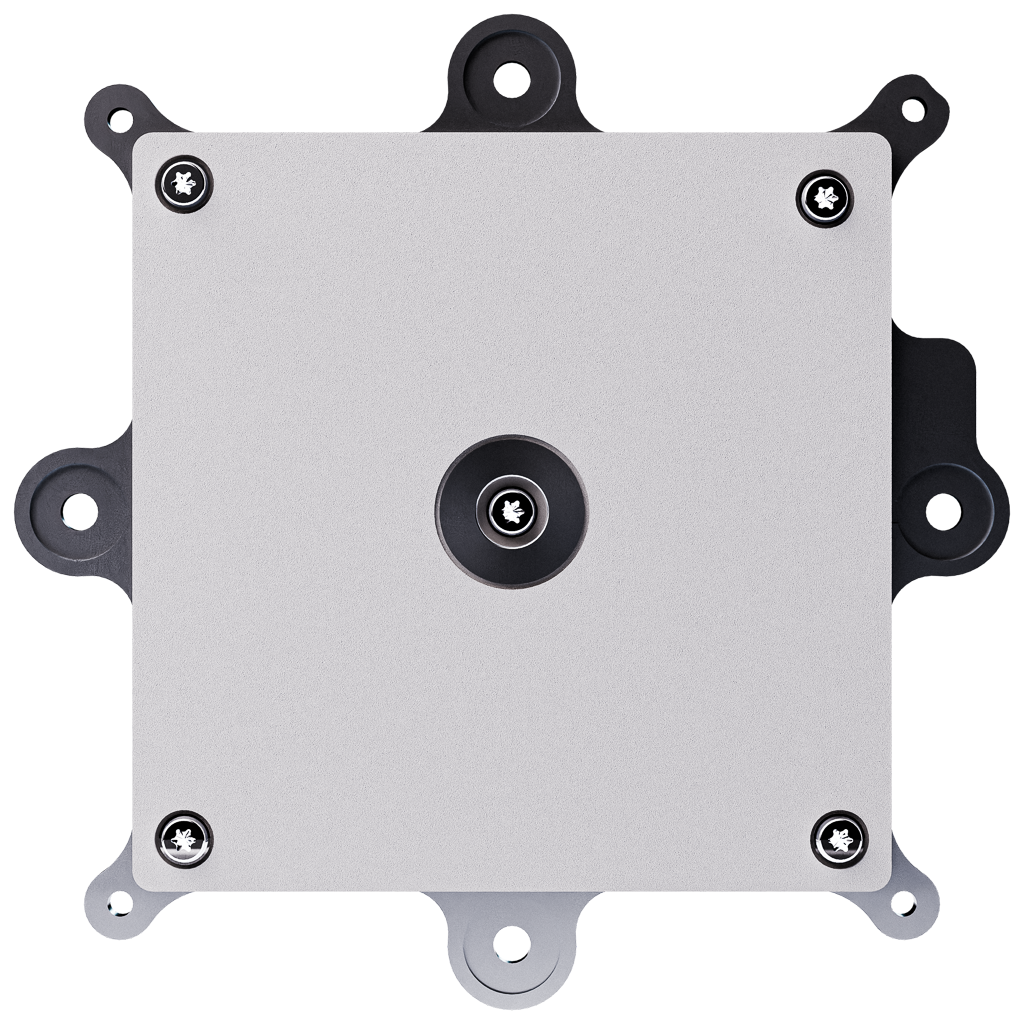
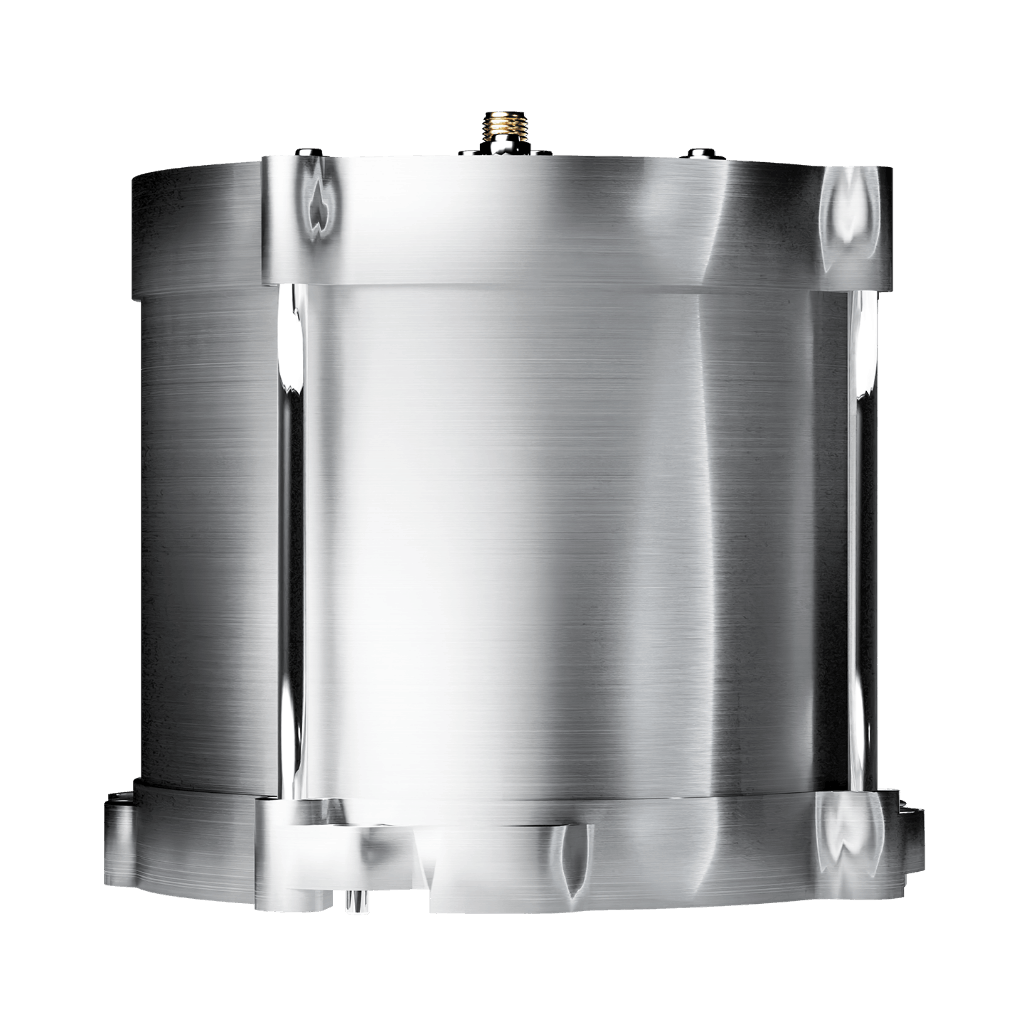
An integrated S-Band filter provides strong rejection of onboard S-Band signals, removing a common source of RF interference without requiring an external filter component. At 99 × 99 mm and 285 g, it fits on any LEO satellite platform in a <1U footprint. Designed for a 7-year orbit lifetime with full radiation qualification (40 krad TID, 62.5 MeV-cm²/mg SEE). RHCP polarization. PEEK radome with anti-ESD coating. Compatible with the Anywaves Test Hat for GNSS All-Bands Antennas. ITAR Free.

Complete EIDP
At the delivery of your antennas, you will receive a complete EIDP (End Item Data Package) including: RF acceptance test reports, ICD (Interface Control Document), Mechanical envelope, User Manual, Certificate of conformity.

In-Depth Engineering Support
During the full length of your antennas project, you’ll benefit from an in-depth and tailored support from our experienced engineers. They’ll answer all of your questions and ensure that our antennas meet your missions’ needs.

Further Testing Available On Demand
If needed, we can perform additional on-demand tests on your antennas to guarantee their performance in the specific environment and conditions of your spacecraft.

Specific Requests Analysis With Experts
In the case you need additional information and performance results, our experts can conduct complementary analysis based on your requirements (mechanical, thermal, radio-frequency performances on platform etc.).
You might also like

All constellations. Less noise. Simpler integration.
Tell us about your navigation architecture and platform constraints. Our engineers will help you integrate the GNSS All-Bands Antenna with LNA for the best possible signal quality.
Questions & Answers
-
What is the difference between the GNSS All-Bands Antenna and the GNSS All-Bands Antenna with LNA Integrated Board?
Both products cover the same frequency range (1.16–1.61 GHz, all GNSS constellations) and share the same antenna element architecture. The key difference is the integrated active electronics. The standard GNSS All-Bands Antenna is a passive product: it outputs the raw GNSS signal at the antenna connector, and any amplification is done further down the RF chain. The LNA Integrated Board version includes a low-noise amplifier mounted directly within the antenna housing, which amplifies the signal before it travels through the coaxial cable to the receiver. This reduces cable-induced noise at the most critical point in the RF chain, lessens the overall system noise figure, and simplifies spacecraft integration by removing the need for a separate LNA unit.
-
Why does integrating the LNA at the antenna improve system noise figure?
The noise figure of a cascaded RF system is dominated by the first active element, as described by Friis’ formula. Any passive loss — including coaxial cable — that precedes the first amplifier adds directly to the system noise temperature. By placing the LNA at the antenna itself, the cable between the antenna and the receiver becomes part of the post-amplification chain, where its loss has a much smaller impact on the overall system noise figure. For GNSS applications, where the satellite signal levels are already very weak (−30 dBm or lower at the antenna), this difference in noise figure can translate into a significant improvement in C/N₀ and positioning accuracy.
-
What does the integrated S-Band filter do, and why is it important?
The integrated S-Band filter provides strong rejection of RF signals in the S-Band frequency range (approximately 2–4 GHz). On satellites that use Anywaves’ S-Band TT&C Antenna simultaneously with the GNSS antenna, the transmitted S-Band uplink signal can potentially reach the GNSS LNA input via the satellite structure or direct coupling. If the LNA is not adequately protected, this strong out-of-band signal can cause intermodulation products that fall in the GNSS band, or simply saturate the LNA and desensitise it. The integrated S-Band filter suppresses this signal before it reaches the LNA input, eliminating the need for an external filter and significantly simplifying the spacecraft RF system design.
-
What radiation environment is this product qualified for?
The GNSS All-Bands Antenna with LNA Integrated Board is radiation-qualified for typical LEO missions. The DC/DC electronics are Total Ionising Dose (TID) tolerant up to 40 krad, and Single Event Effects (SEE) tolerant up to 62.5 MeV-cm²/mg. The GaAs RF section of the LNA is intrinsically radiation-tolerant up to 300 krad TID — far above typical LEO mission doses. Combined with a 7-year in-orbit lifetime qualification, this makes the product suitable for the vast majority of LEO satellite programmes without additional shielding.
-
Can the GNSS All-Bands Antenna with LNA be used with the GNSS All-Bands Test Hat?
Yes. The GNSS All-Bands Antenna with LNA Integrated Board is compatible with the Anywaves Test Hat for GNSS All-Bands Antennas, allowing RF functional testing of all GNSS bands while the product is already integrated on the spacecraft. Note that when testing with the LNA active, the DC supply must be provided through the Micro Sub-D connector, and the test setup must account for the LNA gain when interpreting RF measurements.
GNSS all-bands antenna with integrated LNA: minimum cable loss, maximum navigation accuracy
The Anywaves GNSS All-Bands Antenna with LNA Integrated Board is a TRL 7 active navigation antenna for LEO satellites, combining full multi-constellation GNSS coverage (1.16–1.61 GHz — GPS L1/L2/L5, Galileo E1/E5a/E5b/E6, GLONASS G1/G2/G3, BeiDou B1/B2a/B2/B3, INMARSAT L-band) with an integrated low-noise amplifier (typical gain 22 dB, typical noise figure 1.8 dB) and an integrated S-Band rejection filter. By amplifying the GNSS signal at the antenna itself, it eliminates cable-induced noise at the first stage of the RF chain and simplifies spacecraft integration.
Envelope: 100 × 100 × 58 mm (antenna + LNA block), mass 285 g (±10%), footprint <1U. RHCP. Phase center position variation <2 mm per sub-band. Noise figure typical 1.8 dB. DC input 5.5–6.5 V, power consumption typical 366 mW. Radiation-qualified: 40 krad TID (DC/DC), 300 krad TID (GaAs RF). 7-year orbit lifetime + 1 year on ground. PEEK radome with anti-ESD coating, qualification temperature −120°C to +120°C. Acceptance testing on flight models. Compatible with Anywaves Test Hat for GNSS All-Bands Antennas. ITAR Free.
