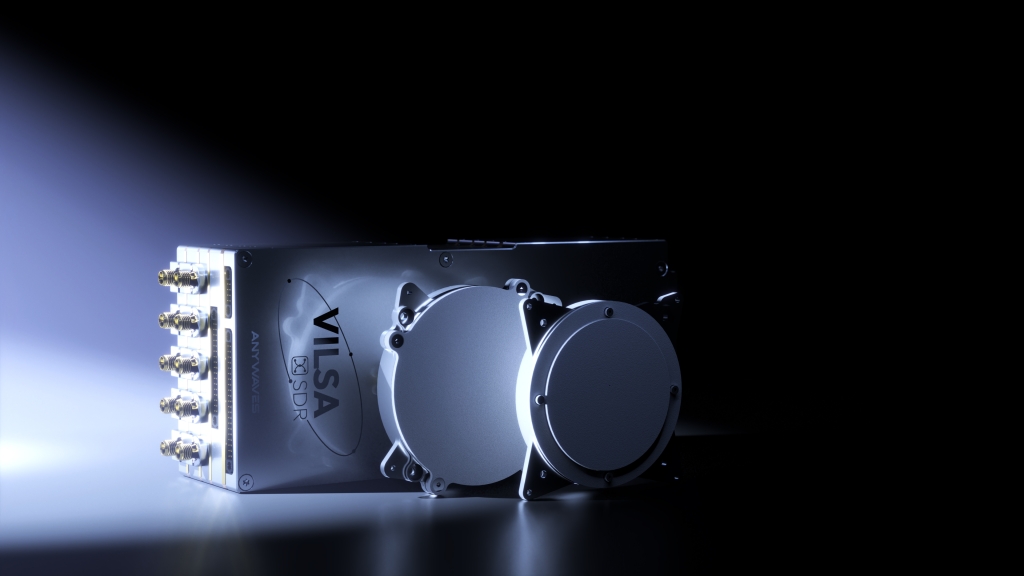
Our products
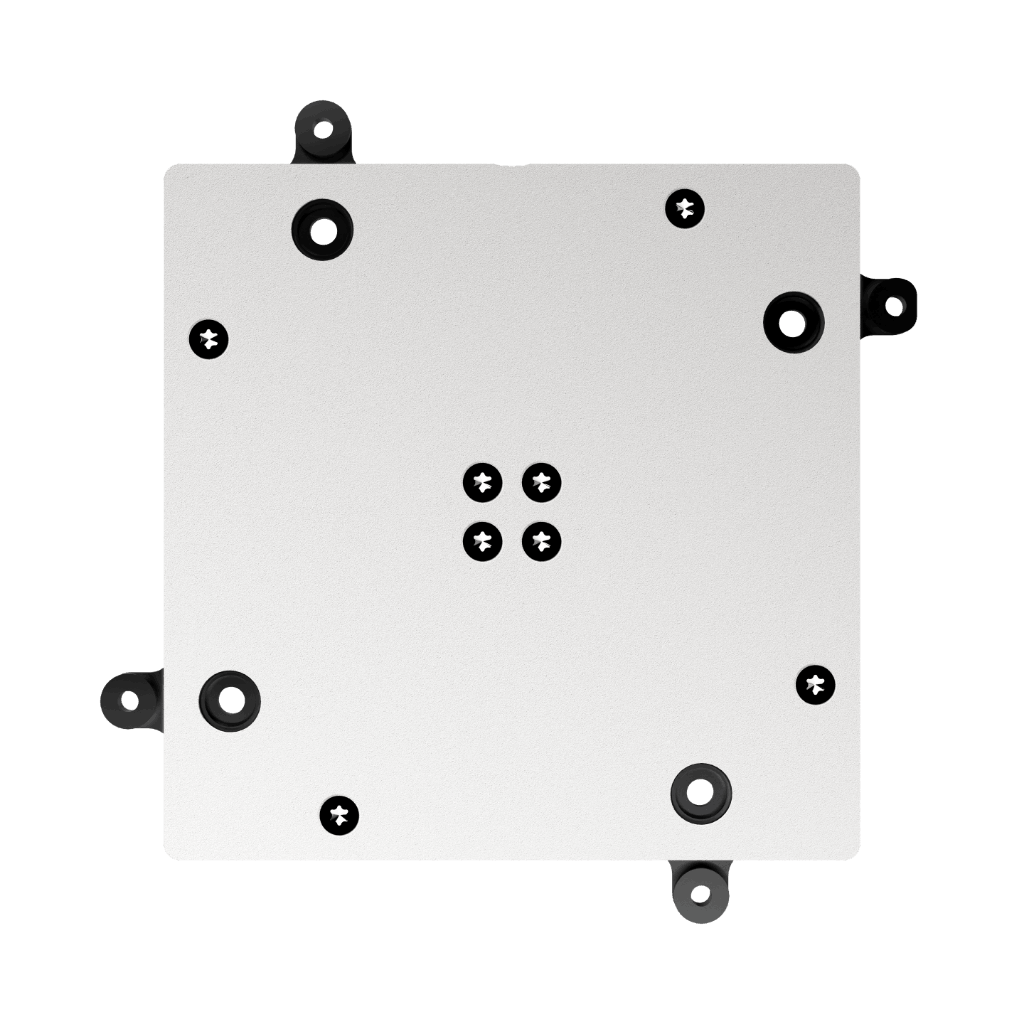
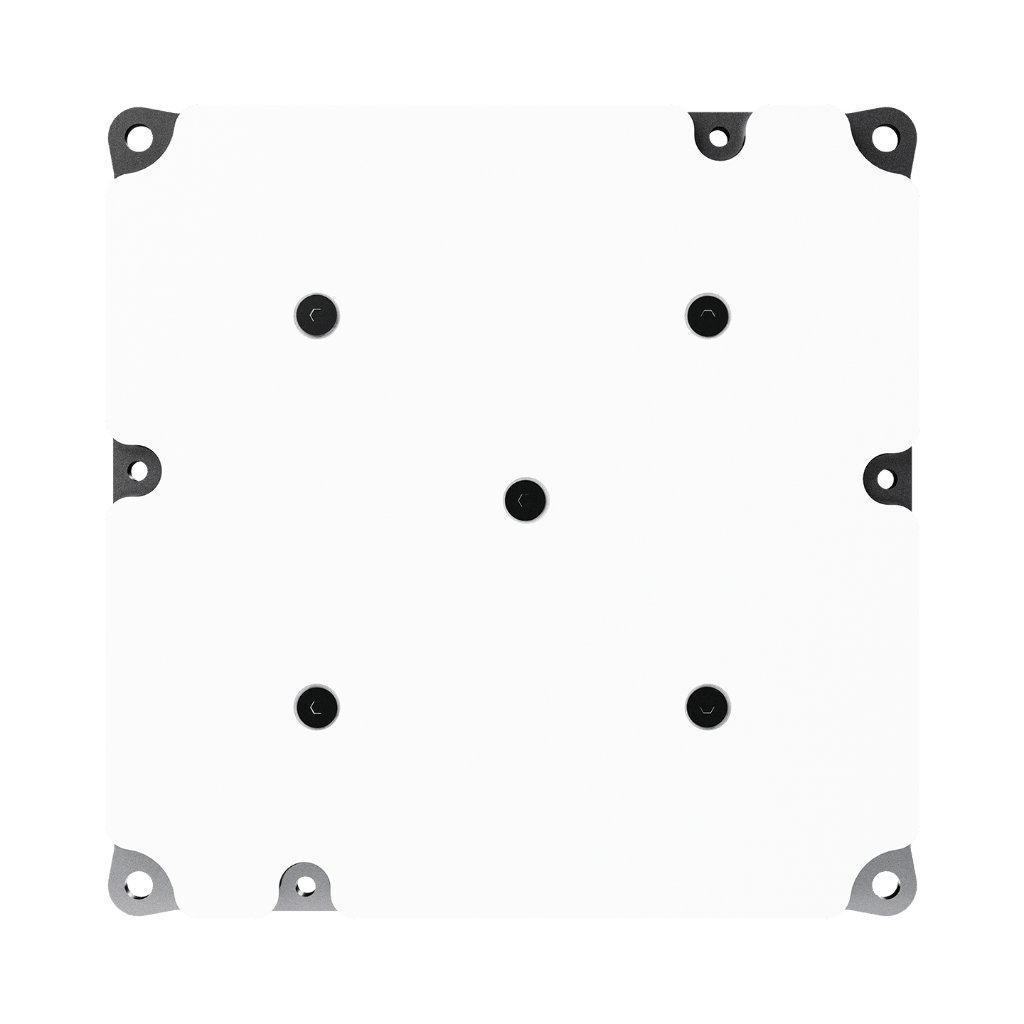
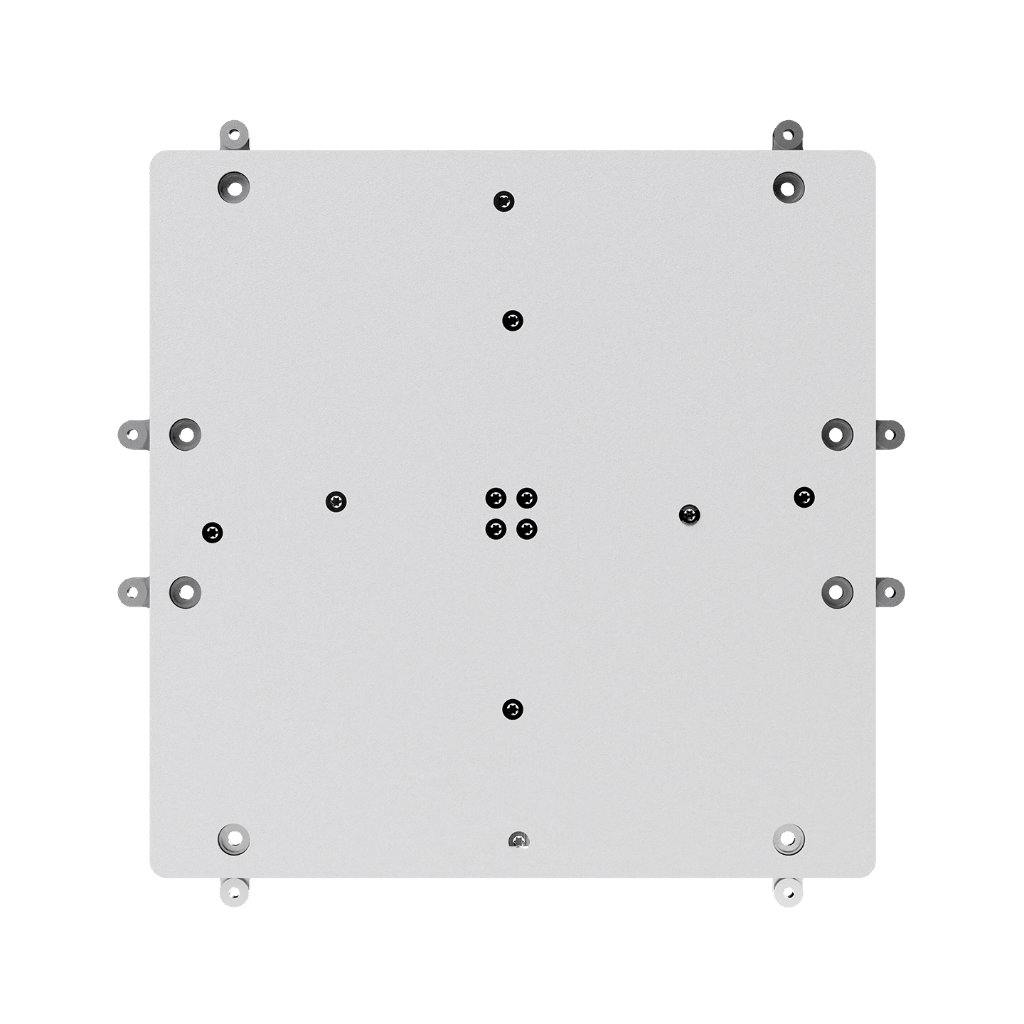
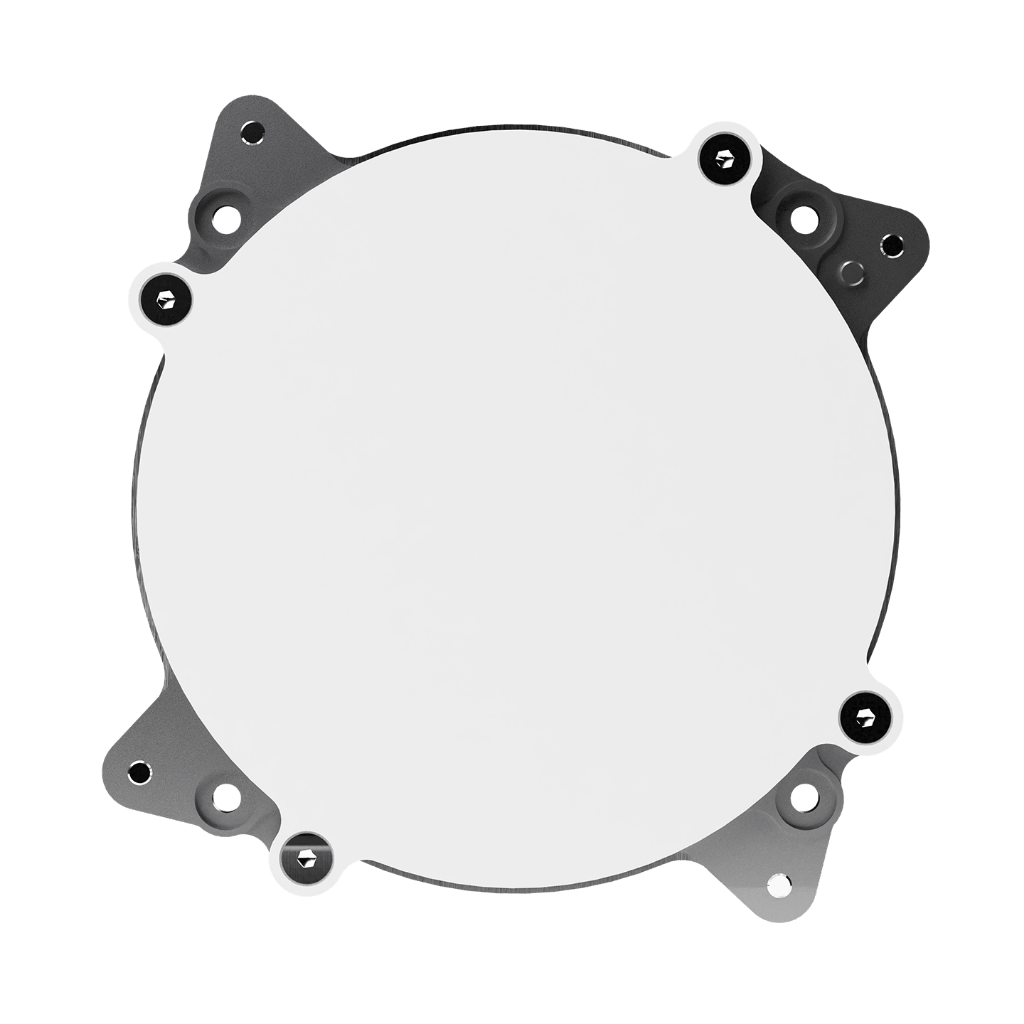
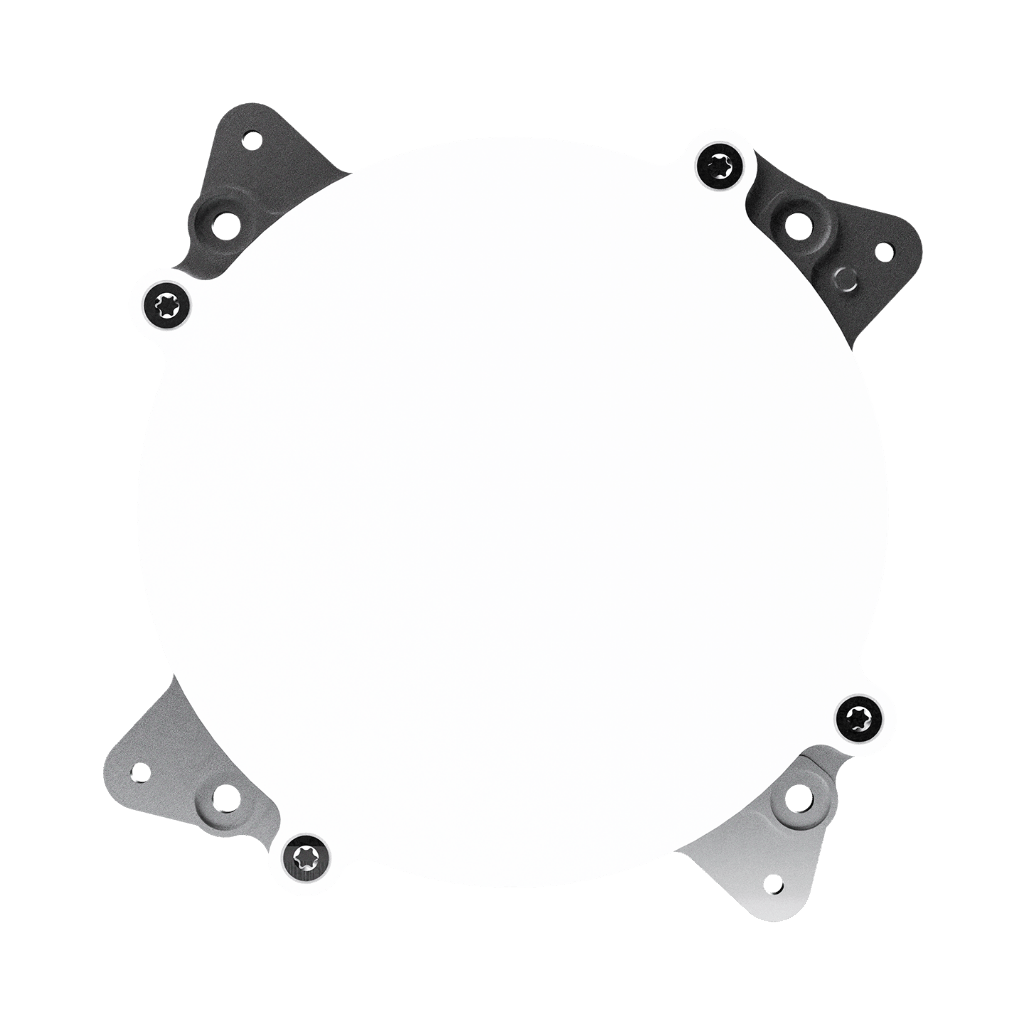
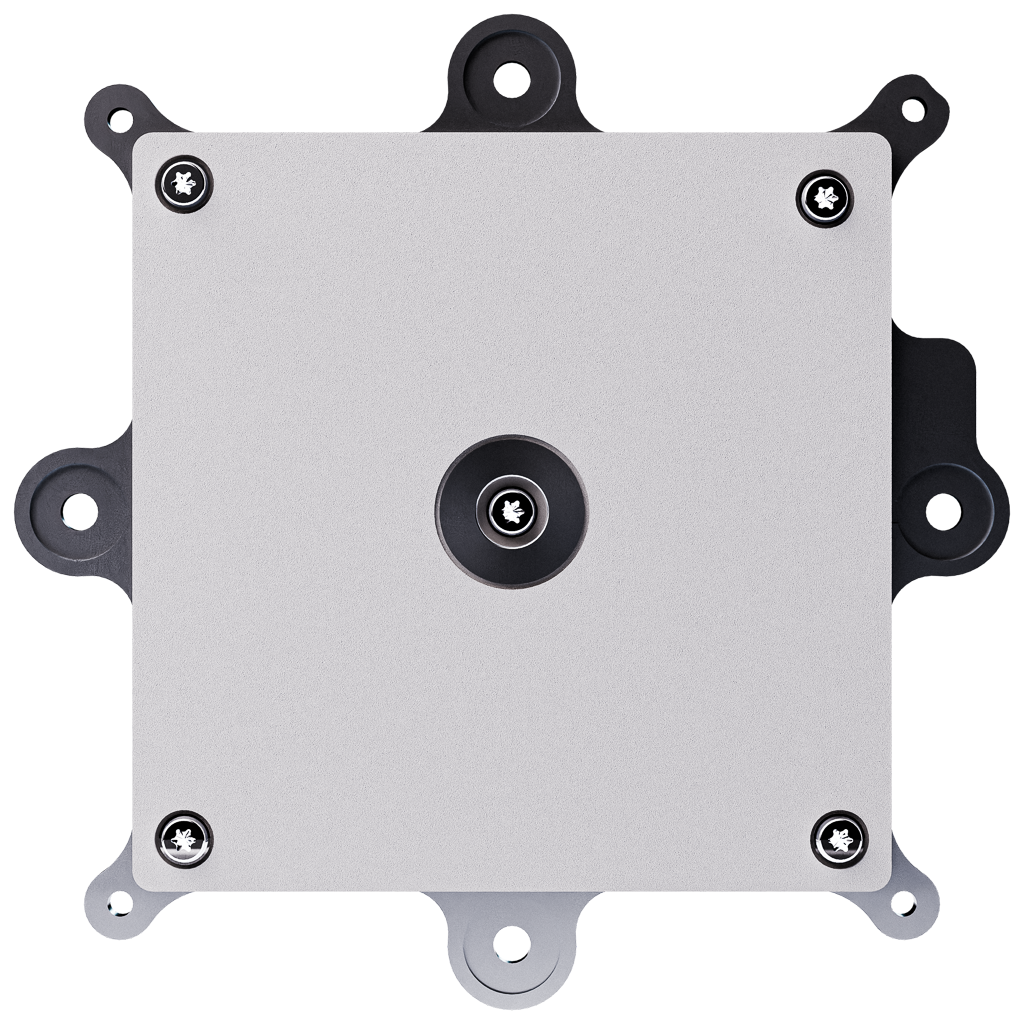
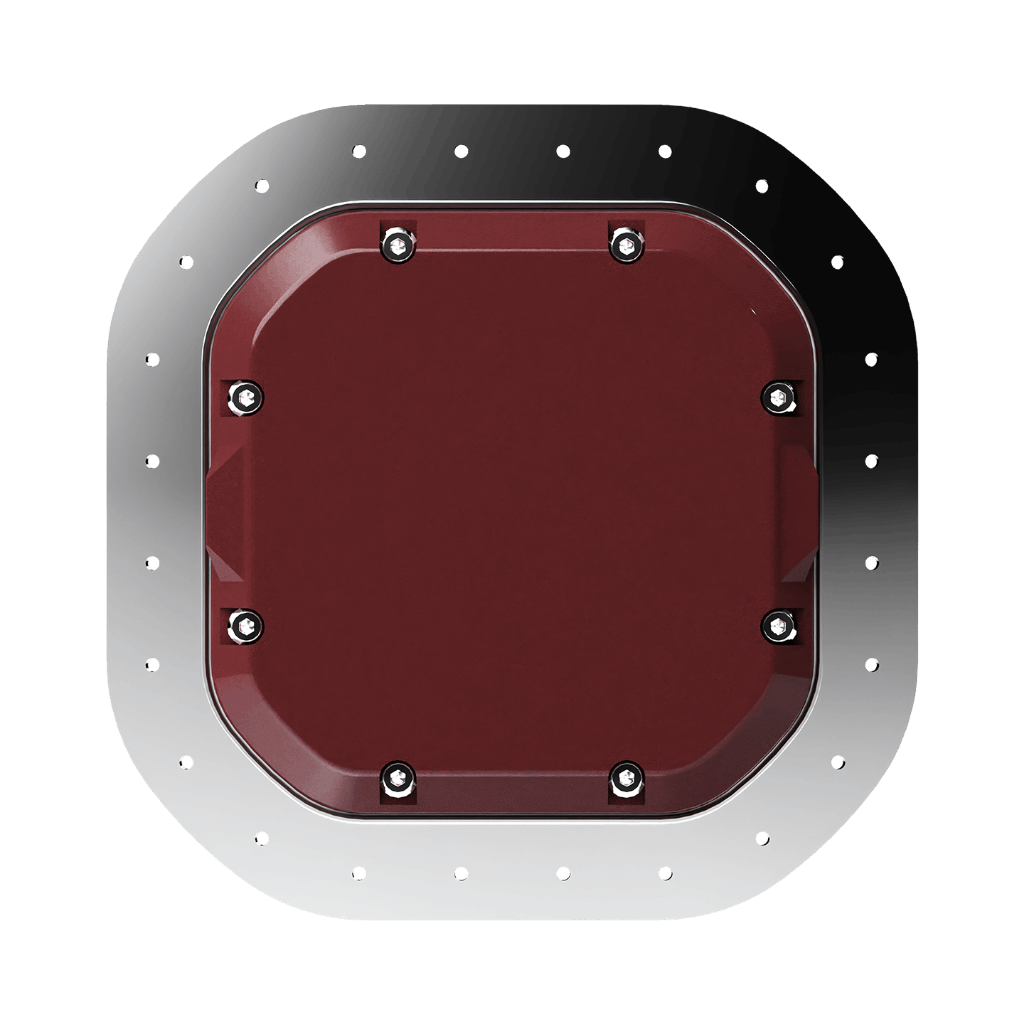
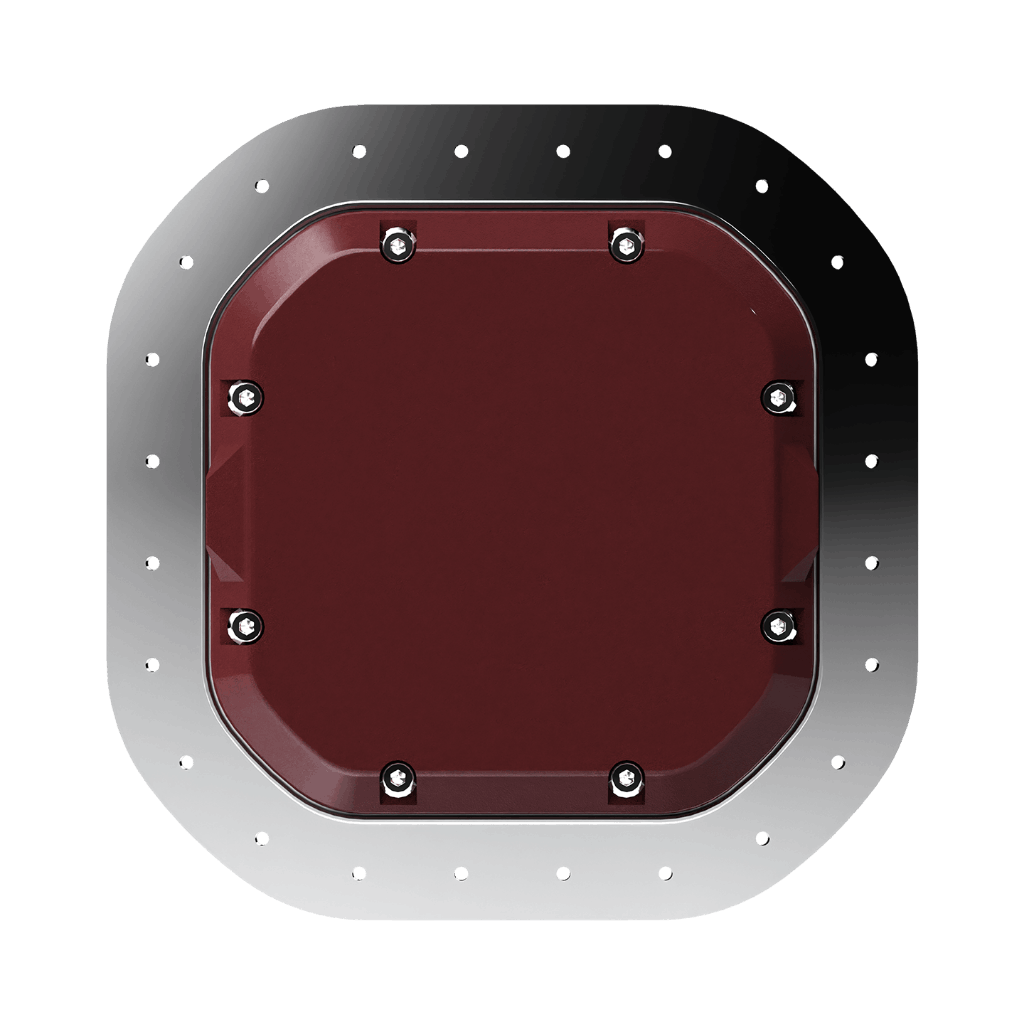
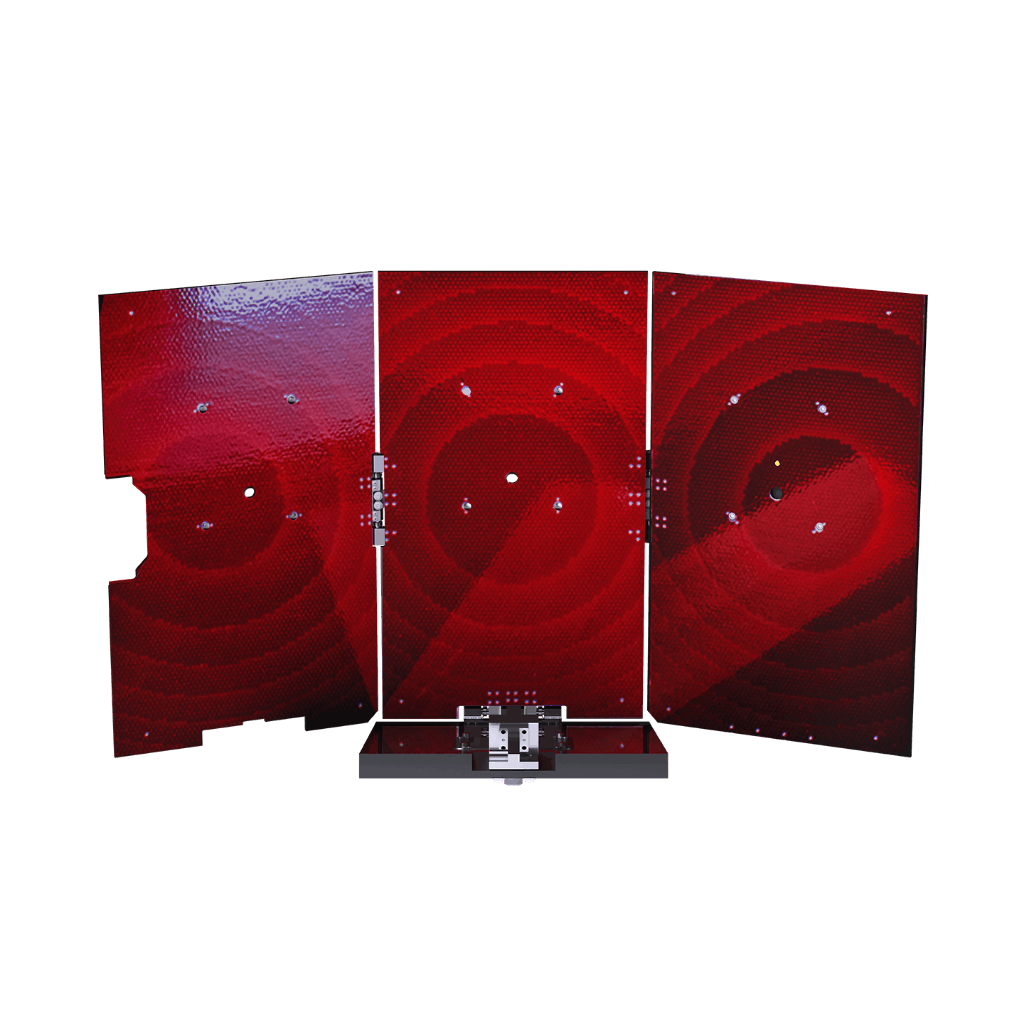
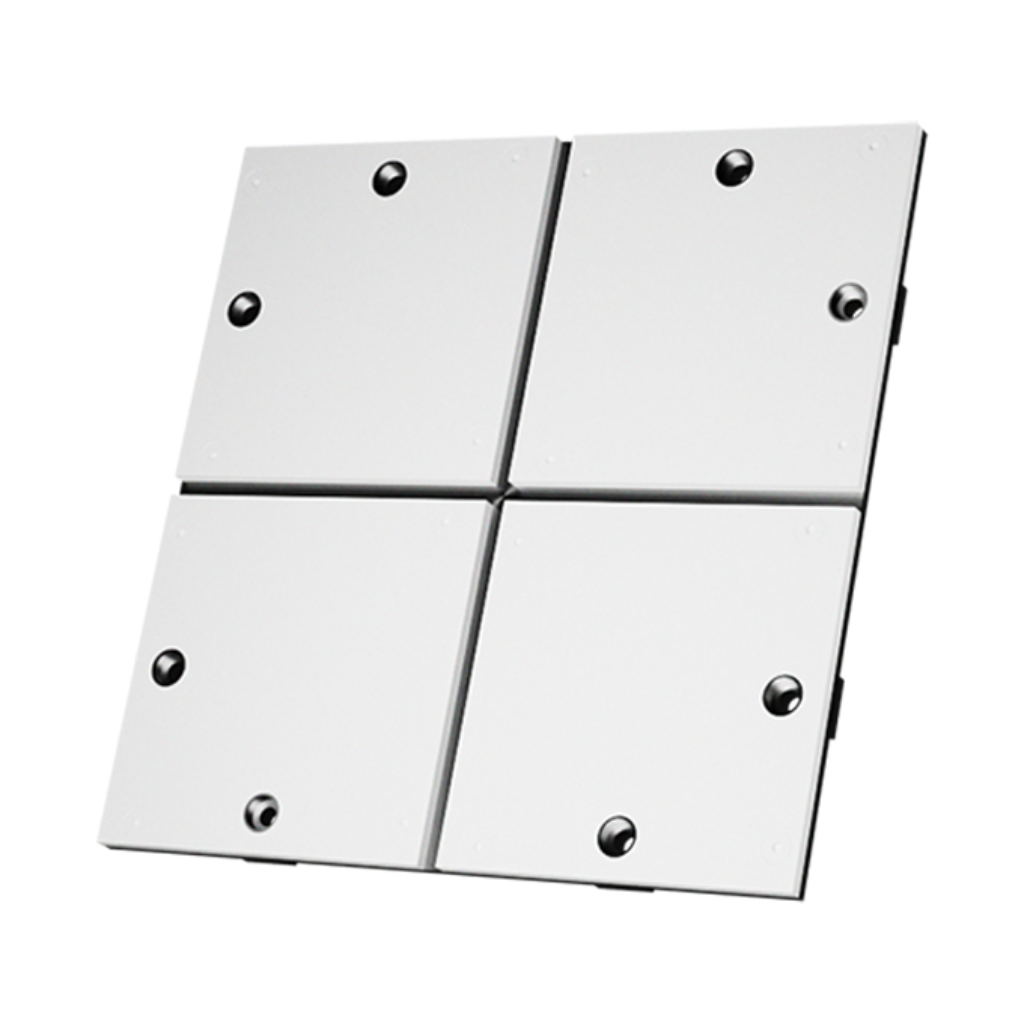
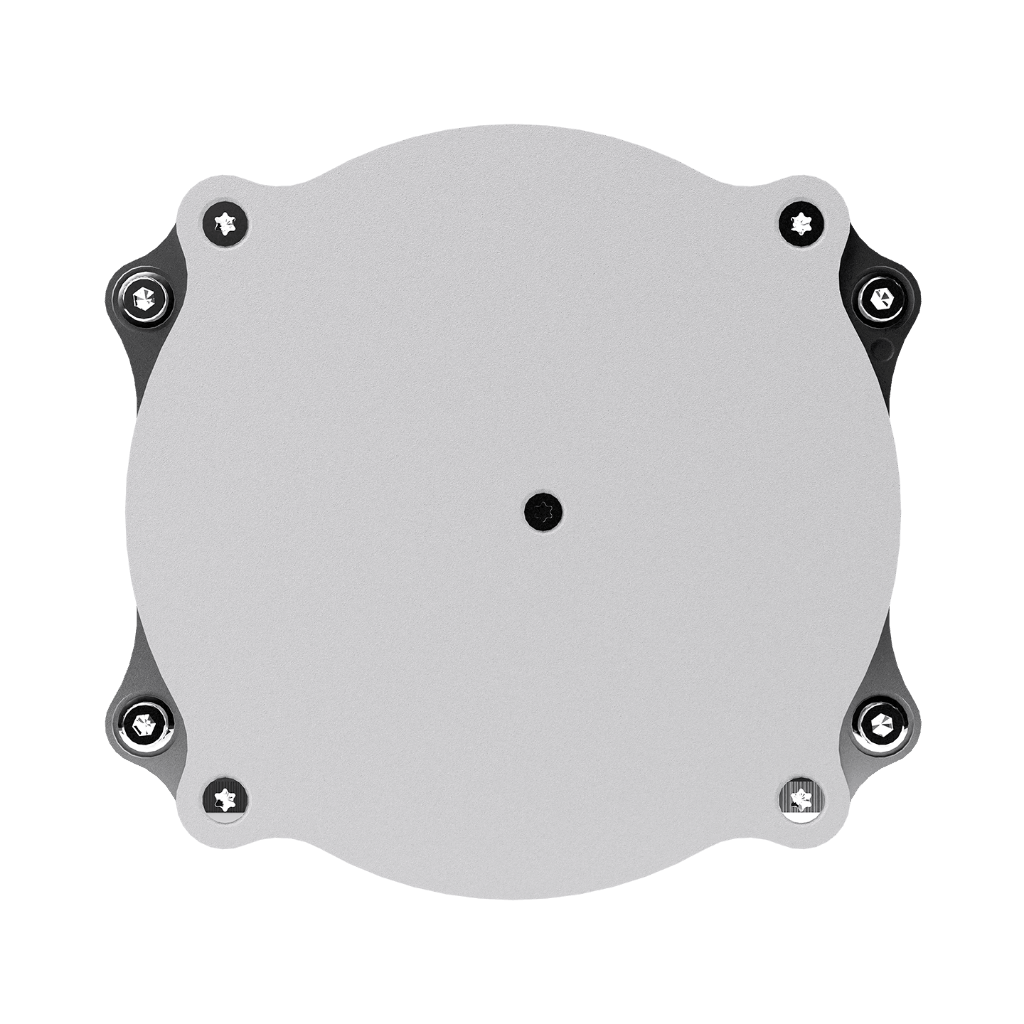
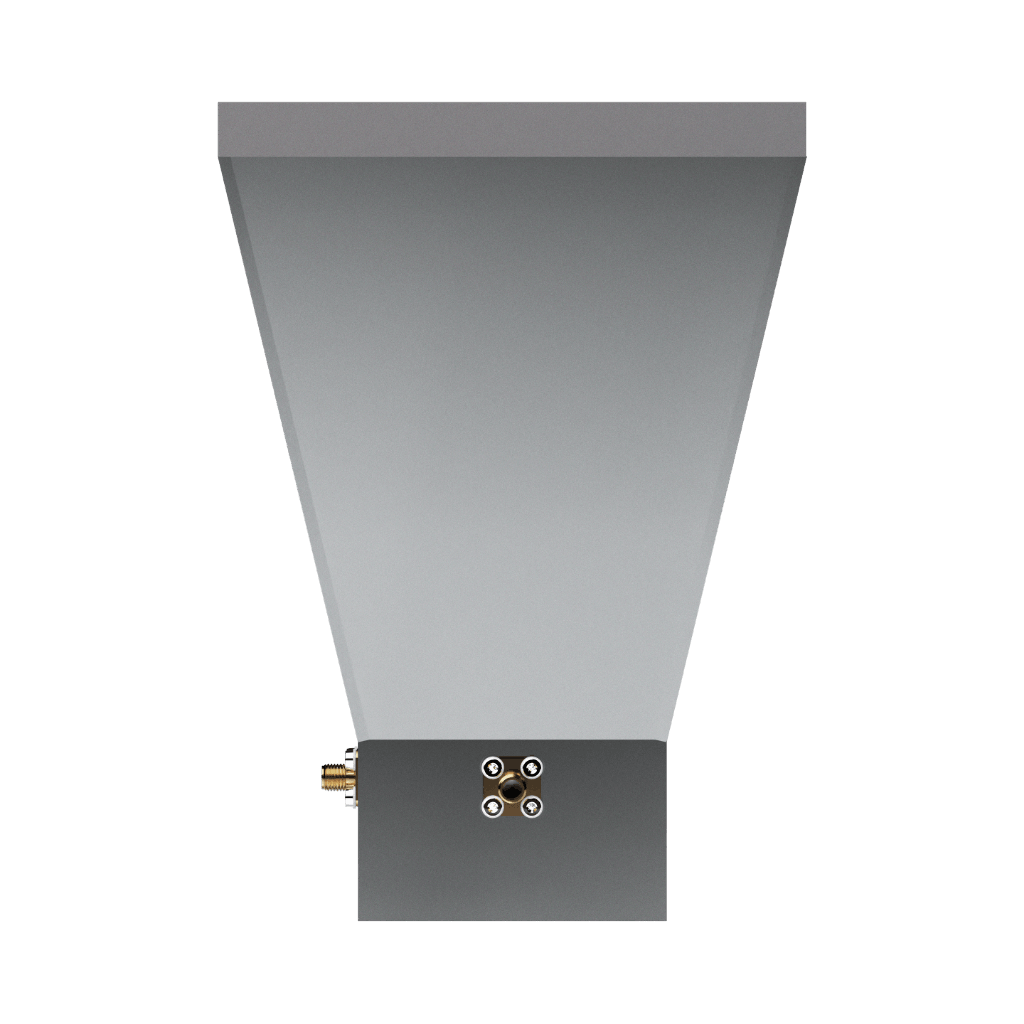
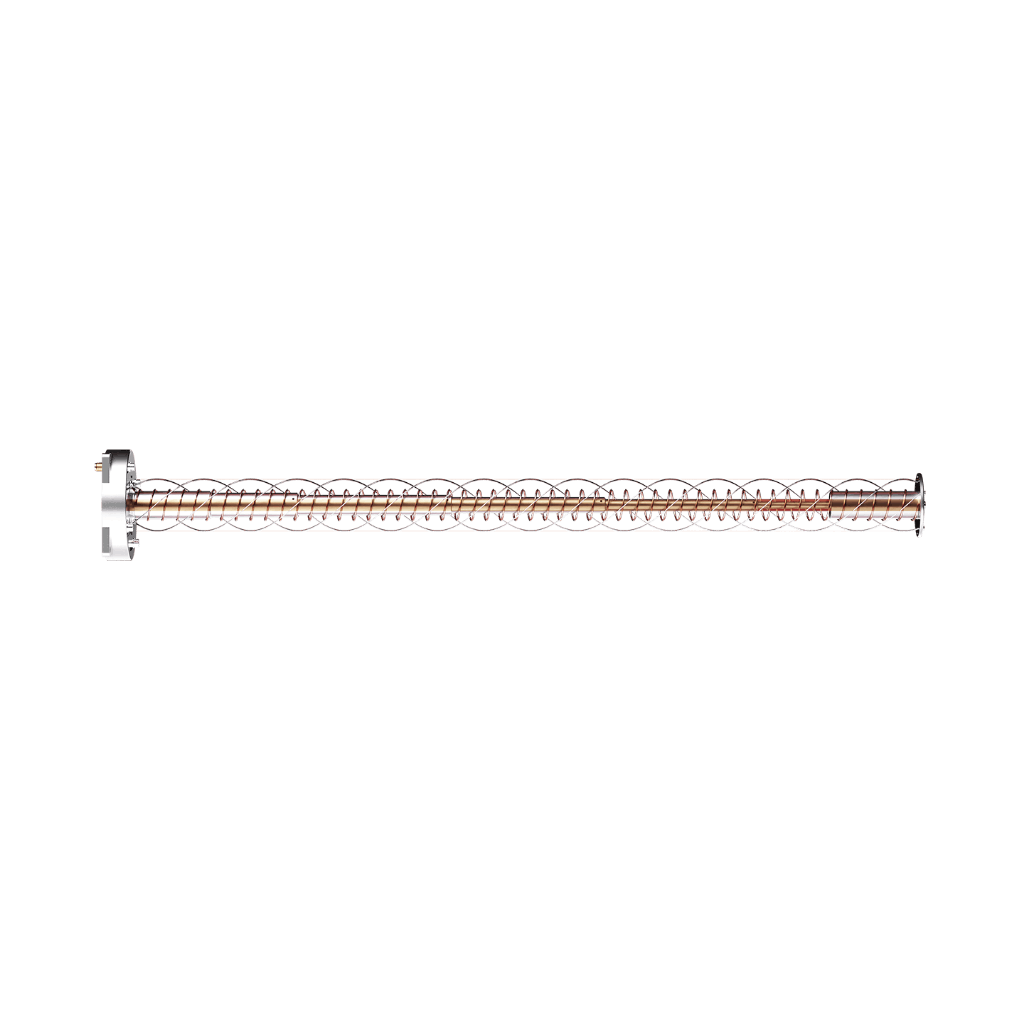
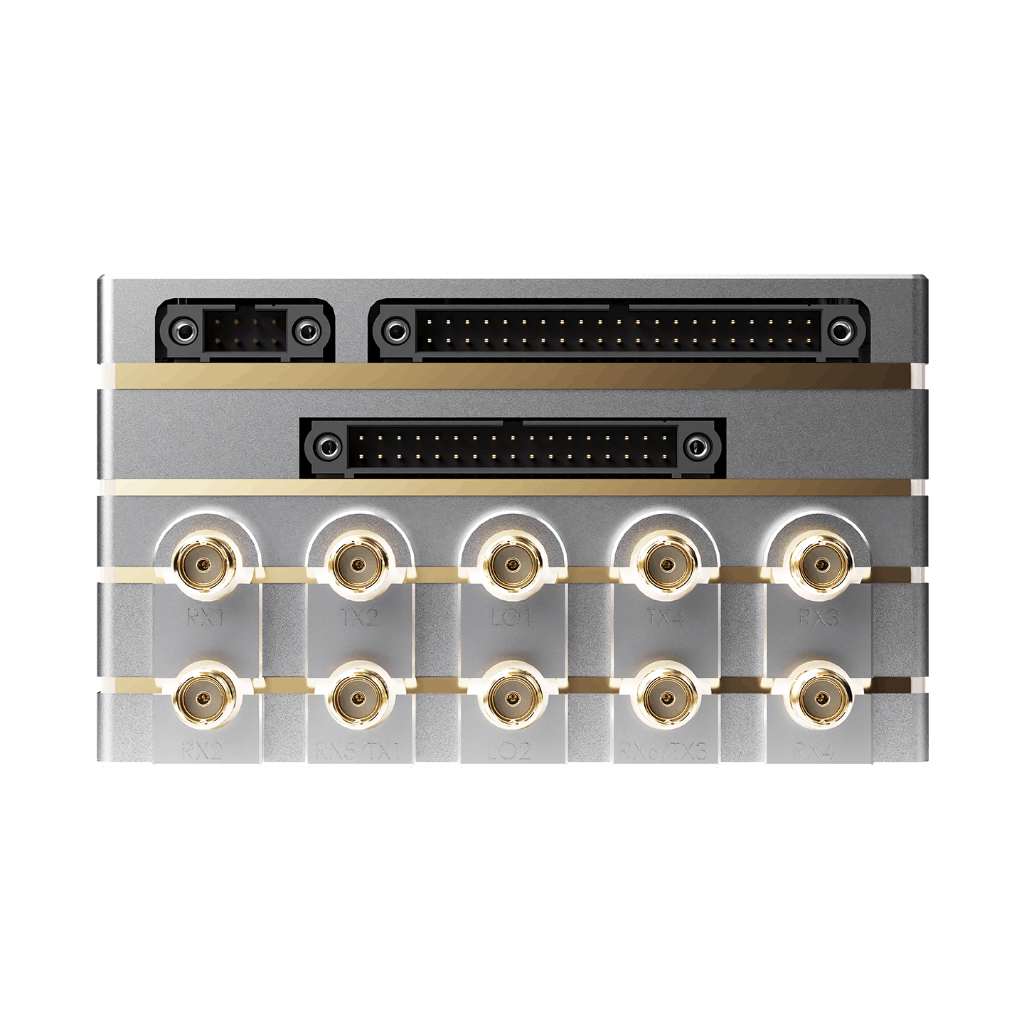
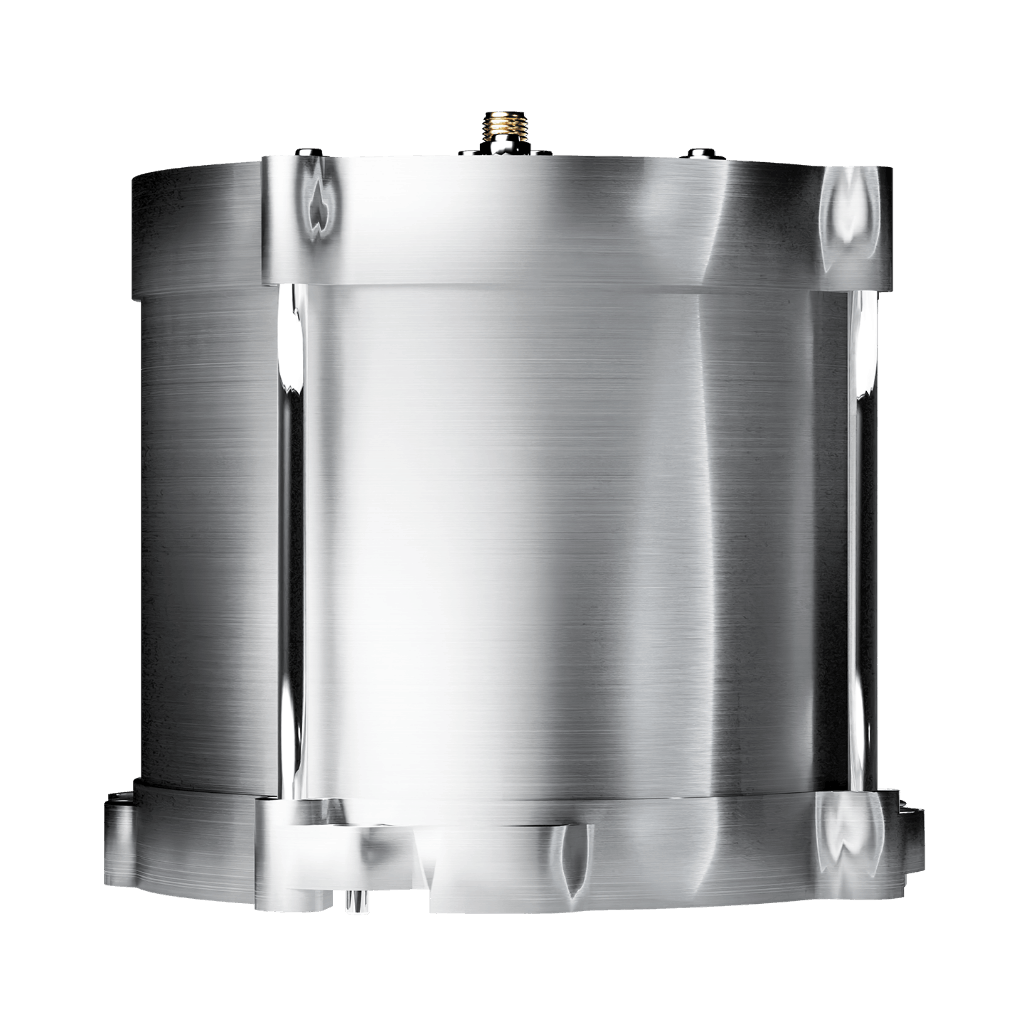
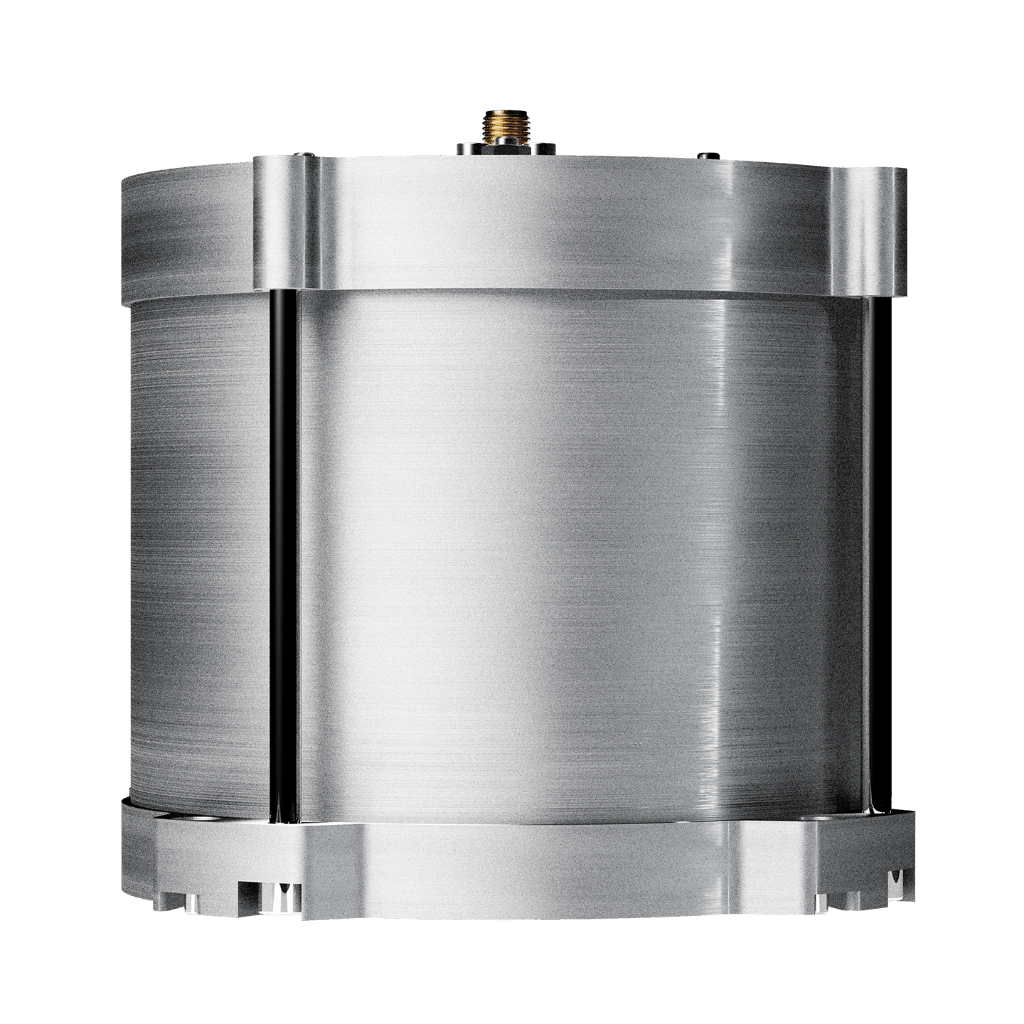
Anywaves develops antennas, embedded electronics and RF payload technologies that operate at the heart of space missions. Our portfolio is built to support mission-critical RF functions with qualified, integration-ready products, from standard antenna lines to advanced signal-processing and transmission electronics.
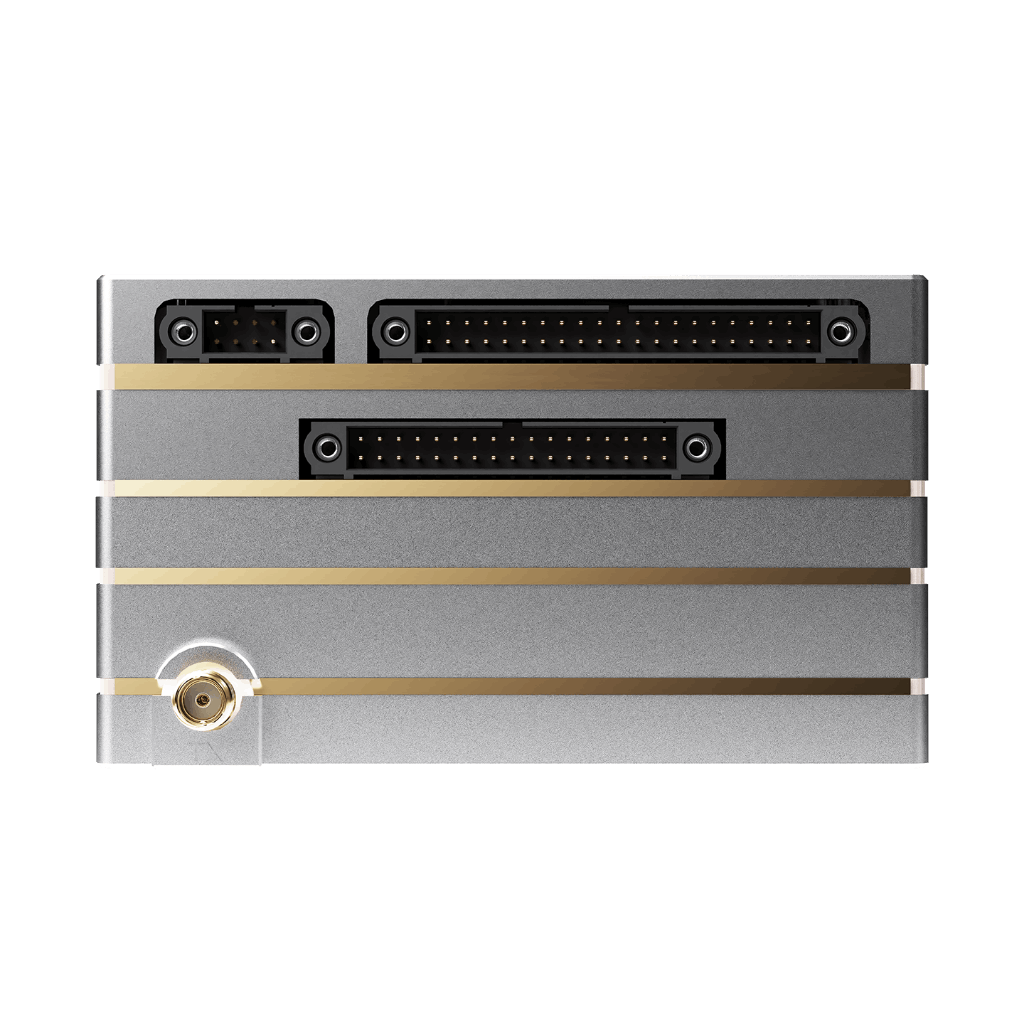
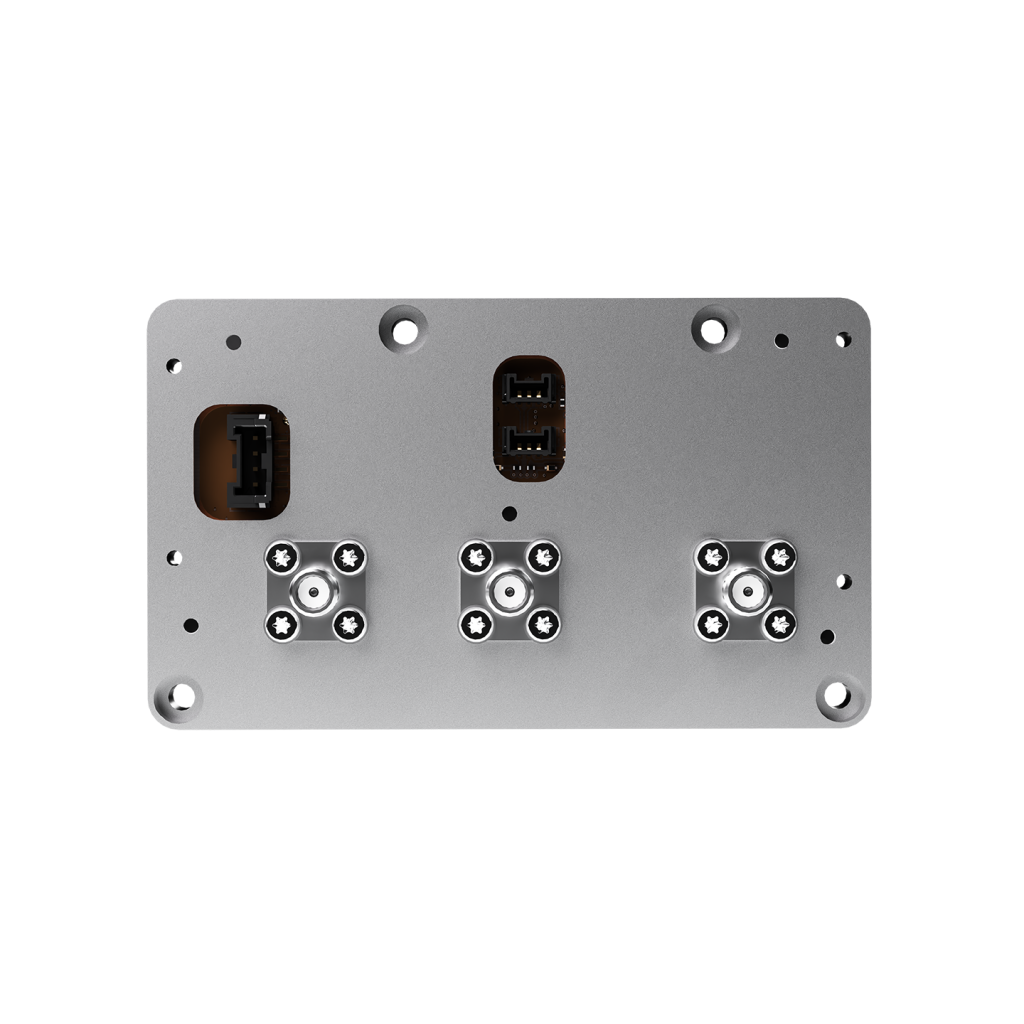
Our offering combines flight-proven antennas with embedded electronics that extend performance and system-level coherence. SDR platforms enable flexible signal processing, X-band downlink electronics (XDL) support high-rate payload transmission, and low-noise solutions (LNB) preserve signal integrity in demanding environments.
Together, these technologies help spacecraft manufacturers reduce interface complexity and build more consistent RF chains, with products designed, manufactured and qualified in-house for a wide range of mission architectures.

Contact us
Tell us about your mission. We’ll find the right solution.

Our Expertise
Design
Designing for space requires anticipating constraints before they become problems. Our multidisciplinary teams work across RF, electronics, mechanical and telecom domains from the earliest programme stages, ensuring that architecture, interfaces and performance targets are aligned from the start. This approach reduces late-stage redesign and supports smoother qualification, with products engineered not only to perform, but to integrate cleanly within complex spacecraft systems.
Industrialization
Turning a validated design into a repeatable product is a critical step in any space programme. Our industrialization process ensures that performance is maintained from prototype to series production, with controlled workflows, traceability and risk anticipation built in from the start. By structuring this transition early, we help customers avoid late-stage surprises and secure consistent results across production batches.
Manufacturing
A qualified design only delivers value if it can be built consistently. Our manufacturing capabilities cover RF antennas, electronics and SDR platforms across our production sites, following controlled processes at every step. From component sourcing to assembly, testing and delivery, each unit is produced with full traceability and quality control, ensuring that performance is maintained across volumes and over time.
Testing Process
Testing is where design assumptions are validated under real conditions. Our in-house capabilities cover RF measurements, functional validation and environmental testing, ensuring that products perform as expected before delivery. By controlling the test chain, we reduce dependency on external resources and accelerate issue resolution, giving customers greater confidence in qualification results and overall mission readiness.
Quality Management
Quality is not a final check, but a continuous process embedded across design, production and testing. Our EN9100-certified framework ensures full traceability, controlled processes and verified performance at every stage. From risk analysis to validation and continuous improvement, our approach is designed to secure reliability in environments where failure is not an option and where every unit must meet its specification.
Questions
& Answers
-
What products does Anywaves supply — and has the portfolio changed since the EmTroniX merger?
Anywaves now offers two integrated product families. Our antenna lines cover TT&C (S-band and Ka-band), data downlink (X-band), GNSS navigation (all-bands and L1/E1), launcher antennas and payload-specific antenna solutions. Our electronics lines — brought in through the integration of EmTroniX — cover Software Defined Radio (VILSA SDR), Low Noise Block Downconverters (LNB), and Latching Current Limiters (LCL). Both families are manufactured in-house under the same EN 9100 quality framework and are available ITAR-free. The combined portfolio means we can now address a wider portion of the RF chain in a single programme relationship, from antenna element to signal processing.
-
What is the difference between an Engineering Model and a Flight Model?
Both models are manufactured using the same materials, components and processes, and they deliver identical RF electrical performance. The difference lies in the acceptance testing applied to the finished unit. Engineering Models are intended for system-level integration and testing work during spacecraft development — they give you a representative unit to work with before committing your Flight hardware to integration activities. Flight Models undergo the full acceptance test sequence: RF characterization, mechanical and thermal environmental testing, and rigorous visual inspection, before each unit is certified for delivery. Every Flight Model that ships from Anywaves has a full, traceable test record attached to it.
-
Do you supply off-the-shelf products only, or can you develop something for our specific mission?
Both. Our catalogue products — the standard antenna and electronics lines — are designed to cover the requirements of the majority of LEO missions efficiently and at short lead times. Where a mission has specific constraints that the catalogue does not address — frequency, coverage, mechanical envelope, radiation level, interface — our engineering teams can develop a custom solution. That development is backed by the same design methodology, V-model process and qualification rigour as our standard products. We also offer custom configurations of our electronics platforms, particularly the VILSA SDR, which can be adapted in terms of RF frequency, bandwidth, number of channels and interface standards. The starting point for any custom discussion is a requirements specification: the clearer your constraints, the faster we can tell you what is and is not achievable.
-
What qualification and acceptance testing do your products go through?
Qualification follows a nine-step campaign that simulates the full product lifecycle: initial functional RF test, moist heat (ground storage conditions), vibration — both quasi-static and random, to replicate launch loading — shock, vacuum thermal cycling, long thermal cycling for lifetime simulation, power handling, RF leakage (for products with a test cap), and a final functional test with full radiation pattern measurement. S-parameters are checked between every step to detect any performance shift and trace it to its source. For electronics products, qualification additionally covers functional testing across the full operating temperature range, and the LCL is 100% tested over temperature as standard. Acceptance testing on Flight Model units repeats the relevant subset of this campaign for each individual unit before delivery.
-
Are your products radiation-hardened, and what is your approach to radiation qualification?
Radiation hardening is a design-level decision, not an afterthought. Our approach varies by product depending on the mission environment. For antennas, radiation effects are managed through material selection — we avoid materials prone to outgassing or radiation-induced degradation and select adhesives and substrates accordingly. For electronics, our designs use COTS components selected and tested for their radiation response, and we carry out radiation qualification campaigns at leading heavy-ion facilities: GANIL in France, UCL in Belgium and GSI in Germany, covering Total Ionizing Dose (TID) and Single Event Effects (SEE). The LCL, for example, is qualified to TID > 17.5 kRad (Si) and SET LET > 46.1 MeV-cm²/mg. If your mission has specific radiation requirements, we can discuss our qualification data and whether additional testing or design adaptation is needed.
-
What quality certifications do you hold, and do they apply to the full group?
Our Toulouse site has held EN 9100 certification since 2021, covering the design, manufacture and testing of space antennas and RF electronics. Our Hautcharage, Luxembourg site — which manufactures our SDR, LNB and LCL product lines — is working toward EN 9100 certification with a target of 2027, and applies the same quality processes and discipline now. All products are ITAR-free and eligible for worldwide delivery. If your procurement process requires a copy of our EN 9100 certificate, it is available here.
-
What level of traceability do you provide with deliveries?
Full unit-level traceability. Every component in a product is tracked from its incoming inspection through to the finished deliverable — date codes, lot numbers, EEE part screening records and Moisture Sensitivity Level status are all maintained in our ERP system. Every production step is linked to the operator, the date, and the batch. Every test result — at every step of the acceptance campaign — is recorded and linked to the individual serial number. The documentation package that accompanies your delivery includes the full acceptance test report, the traceability record, and any programme-specific deliverables agreed at order.
-
What are your typical lead times, and can you handle volume production?
Lead times for standard catalogue products from our Toulouse site are short by space industry standards — contact us for current figures, which depend on configuration and order volume. Our production capacity for COTS antenna products is up to 200 units per month, and we have been actively scaling our industrialization infrastructure to support constellation-scale programmes. For electronics products, lead times are programme-dependent and include a fast-prototyping capability: the LNB, for example, can be delivered as a prototype in approximately three months. For large-volume requirements or phased delivery schedules, we work with customers early in the programme planning phase to reserve capacity and align on milestones.
-
What is a Test Hat and do I need one for my programme?
A Test Hat is a ground support equipment accessory that connects directly to our flight antenna interface and allows accurate RF characterization of the antenna during satellite integration — without routing the flight RF cable or stressing the flight unit. It is designed to match the antenna’s interface precisely, so the measurement you get through the Test Hat represents what the antenna will actually see in operation. We recommend ordering a Test Hat alongside your Flight Model: it simplifies your integration test campaign, reduces the number of times the flight unit needs to be handled, and gives you a clean reference measurement at the start and end of your acceptance activities. Test Hats are available for our S-band TT&C, X-band and GNSS All-Bands antenna lines.
-
Are your products suitable for missions beyond LEO — GEO, lunar, deep space?
Yes. While our standard product lines are optimized for the LEO constellation market, Anywaves products have a demonstrated record across every orbital regime. Our S-band TT&C antennas have flown on lunar surface missions. Our VILSA SDR is currently operating on the ESA HERA mission to asteroid Didymos, where it forms the core of the Juventas spacecraft’s low-frequency radar. For GEO and deep space environments, the key variables are thermal range, radiation levels and mission lifetime, and we can discuss adaptation at the design level where the standard configuration does not fully cover your requirements.
Anywaves — Space Antennas, Electronics & RF Payload Products
Anywaves designs and manufactures space antennas, embedded electronics and RF payload technologies for satellite missions. Our portfolio supports telemetry, data downlink, navigation and payload applications across LEO, MEO and deep space missions. From SDR platforms to RF electronics and qualified antenna product lines, we help spacecraft manufacturers build reliable and integrated RF systems with reduced complexity and controlled performance.
