S-Band TT&C Antenna
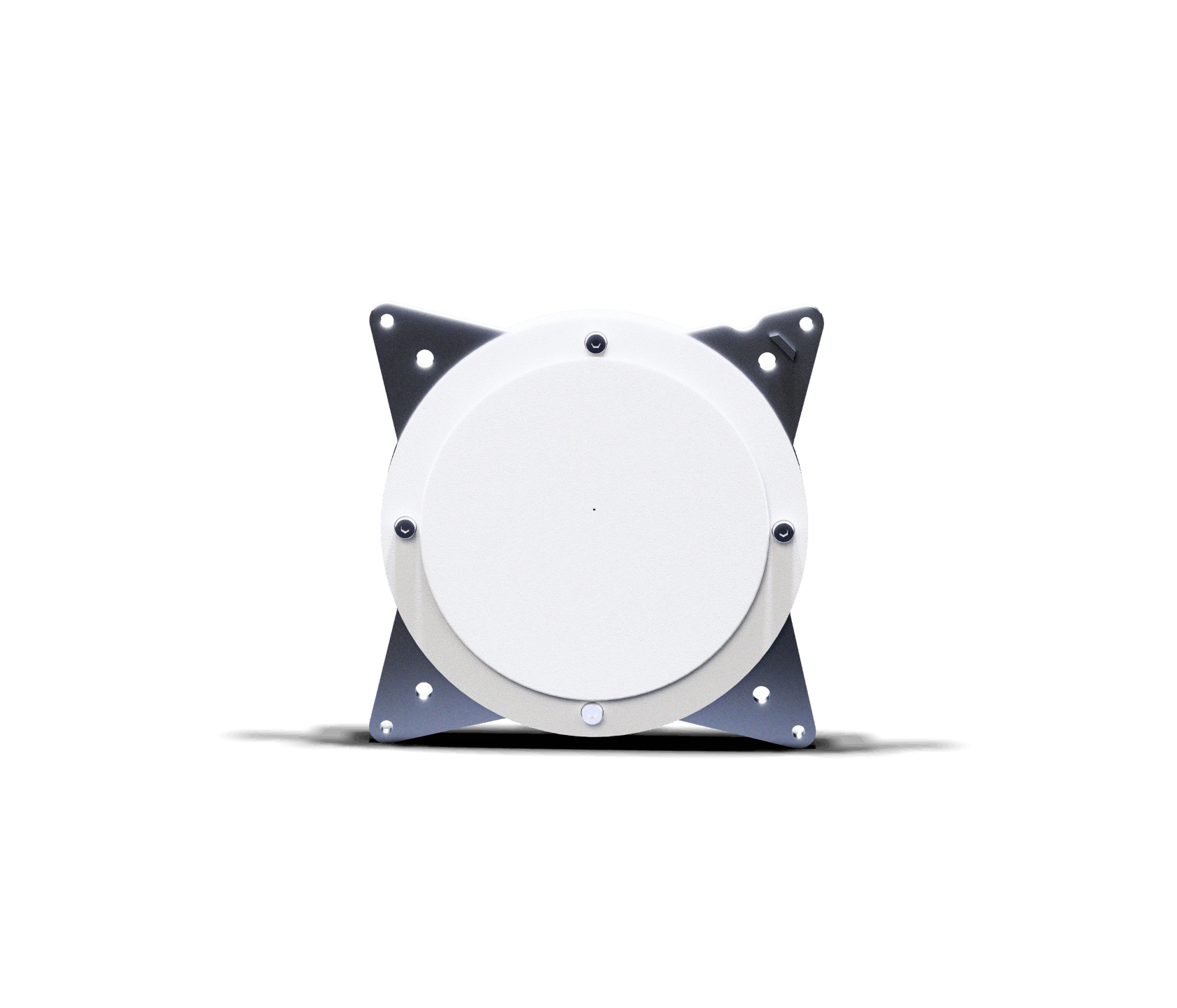
Technical specifications
> 4.5 dBi @ ± 30°
> 0 dBi @ ± 60°
Designed for reliable TT&C
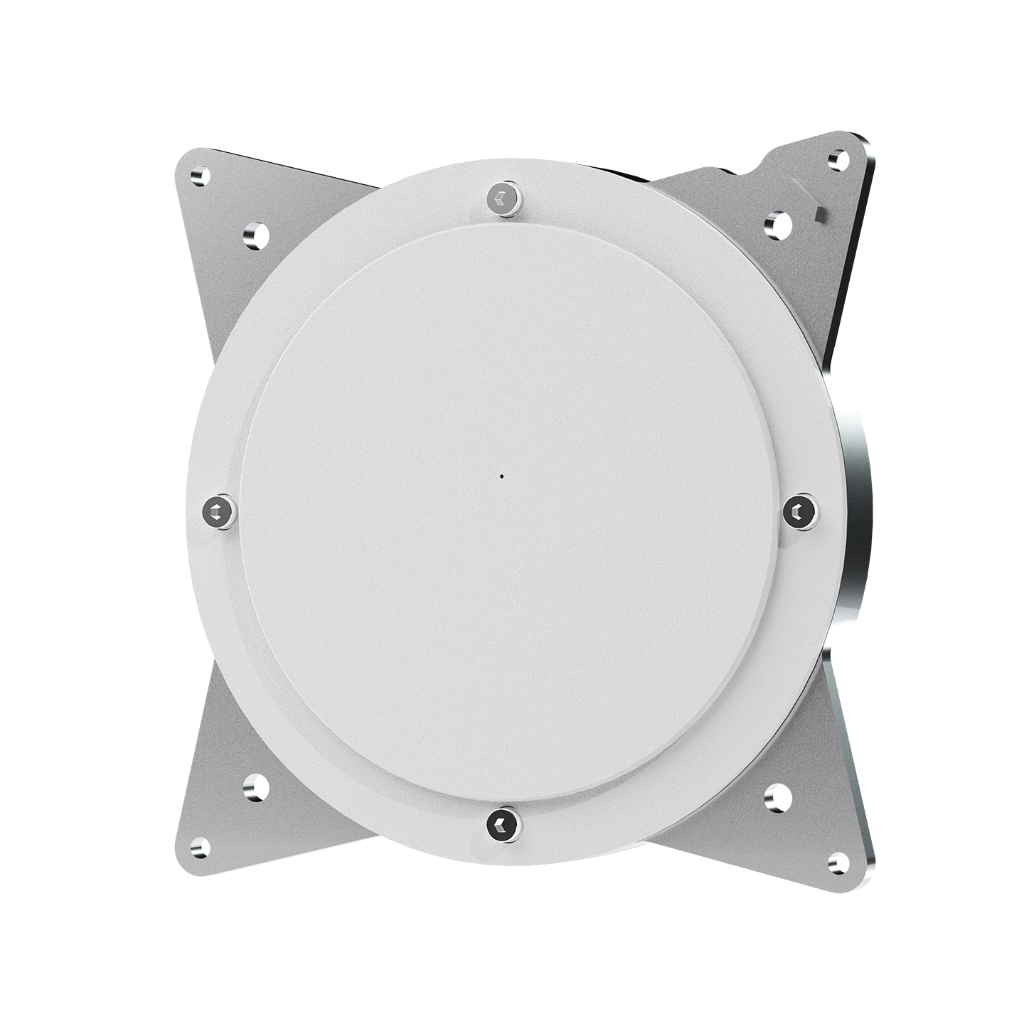
Radome protection against harsh environments
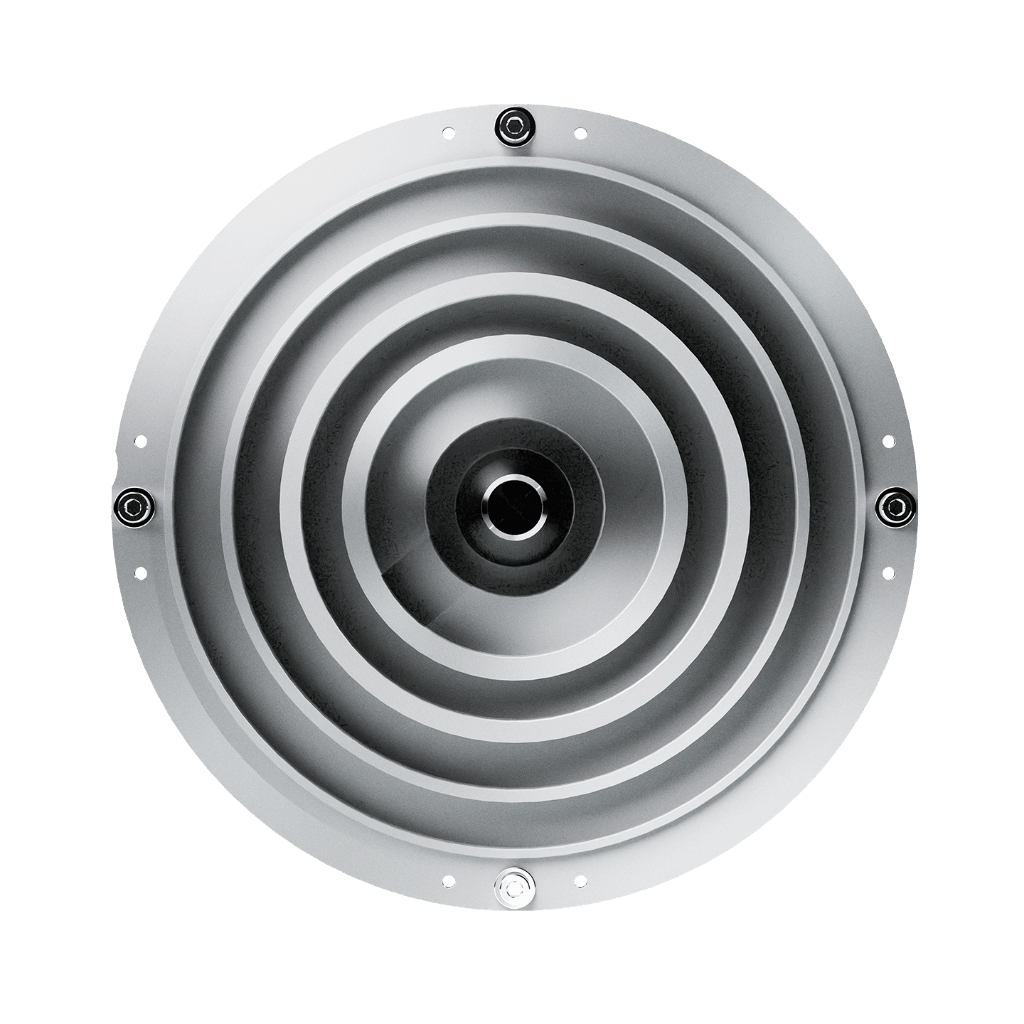
The antenna’s VESPEL radome — coated with SG121FD white paint on flight models — provides robust protection against thermal cycling, radiation and electrostatic discharges. It ensures consistent RF performance across the full mission lifetime without compromising antenna coverage.
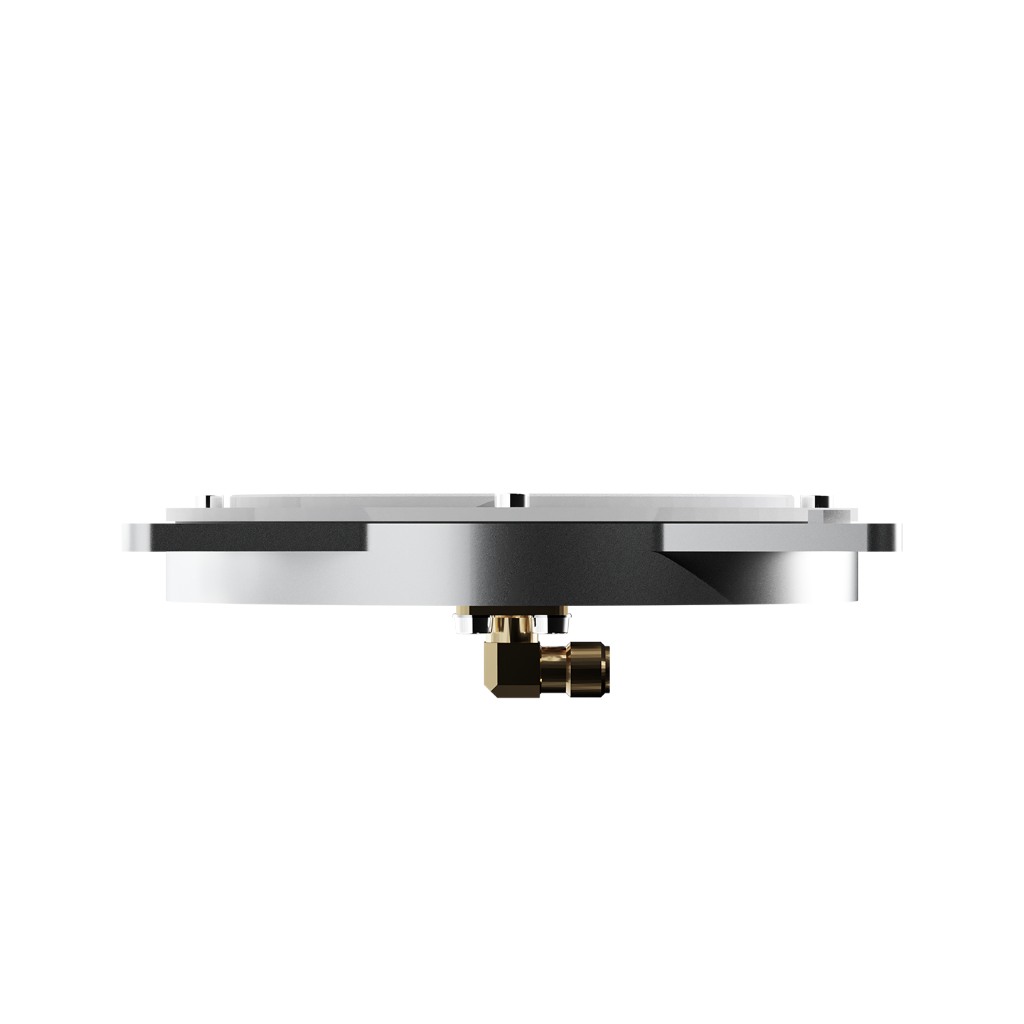
Wide hemispherical beam coverage
With a Half Power Beam Width greater than 90° and a realized gain above 0 dBi at ±60° off boresight, the S-Band TT&C Antenna maintains a reliable link throughout the satellite pass. In pair work, two or four antennas positioned on opposite sides provide full omni-directional coverage to maximise satellite availability.
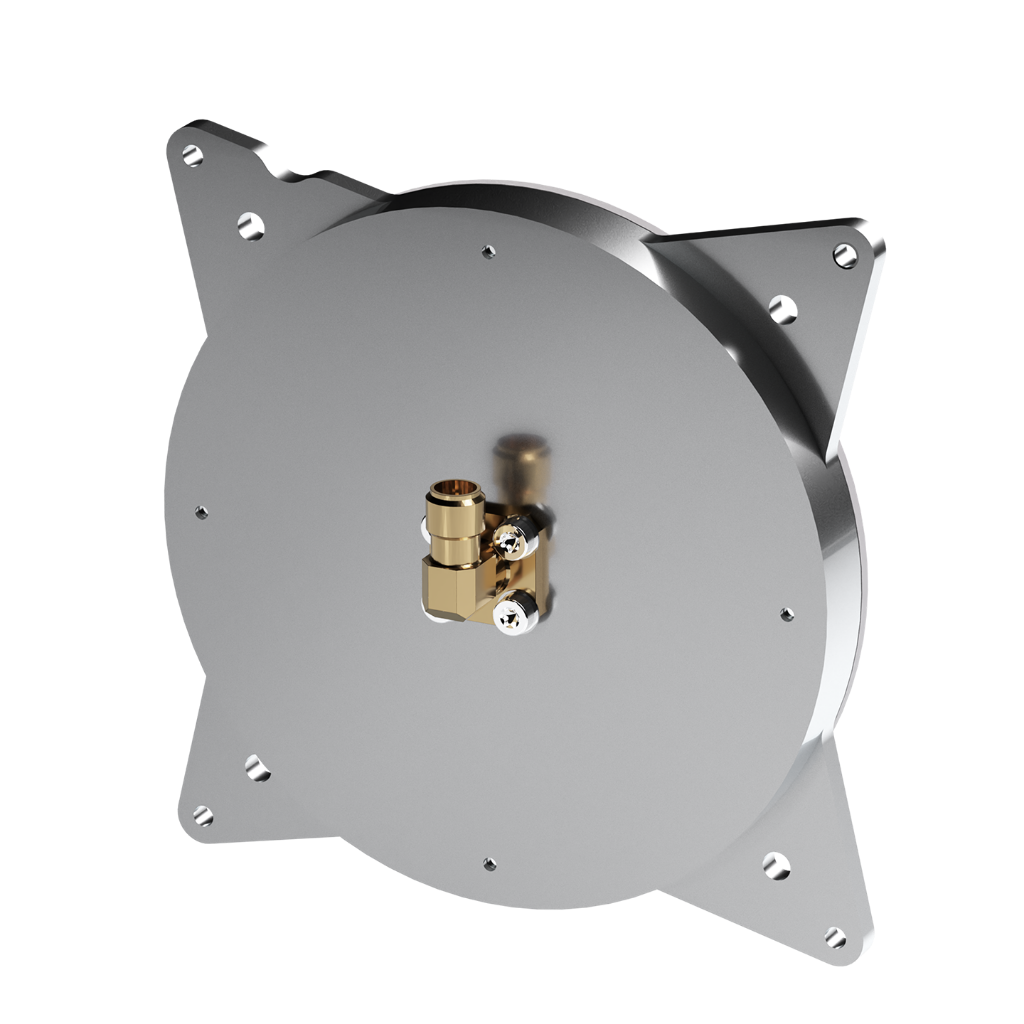
Size < 1U, mass 136 g
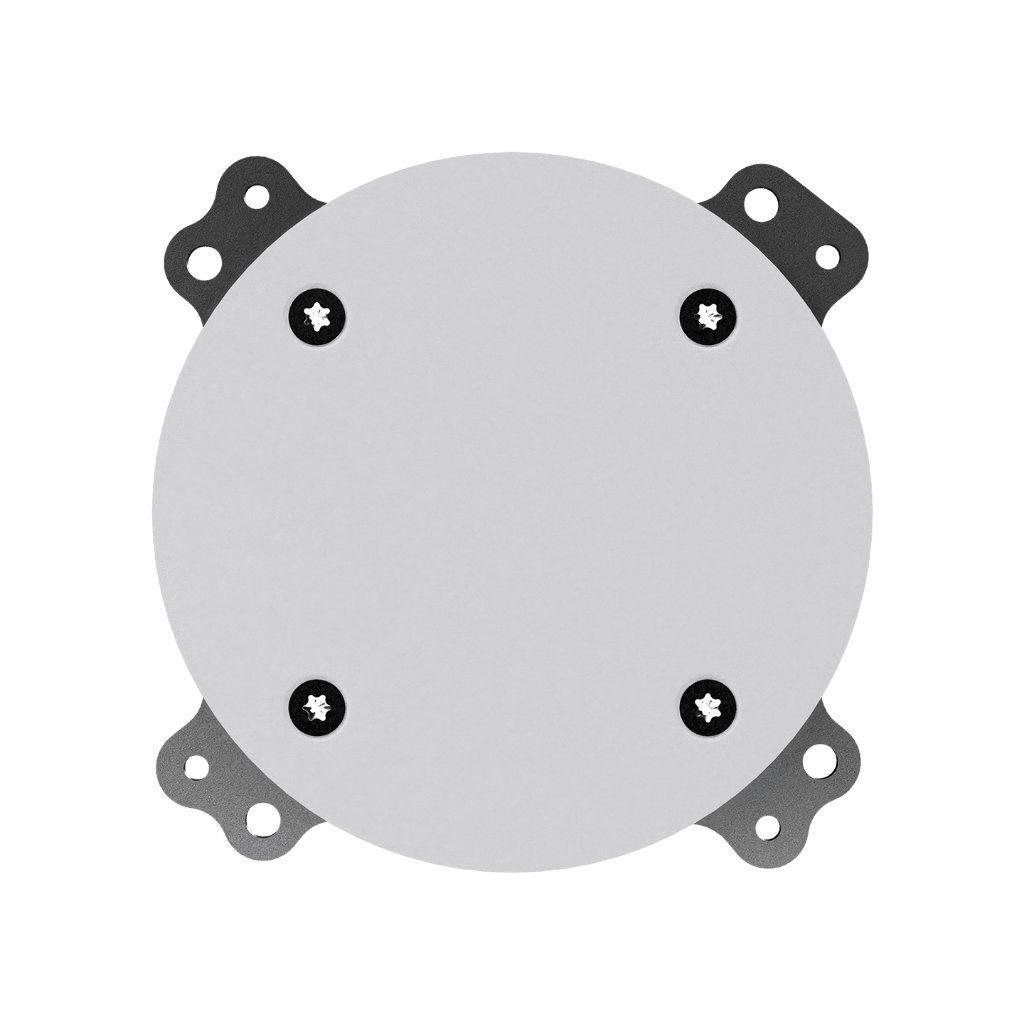
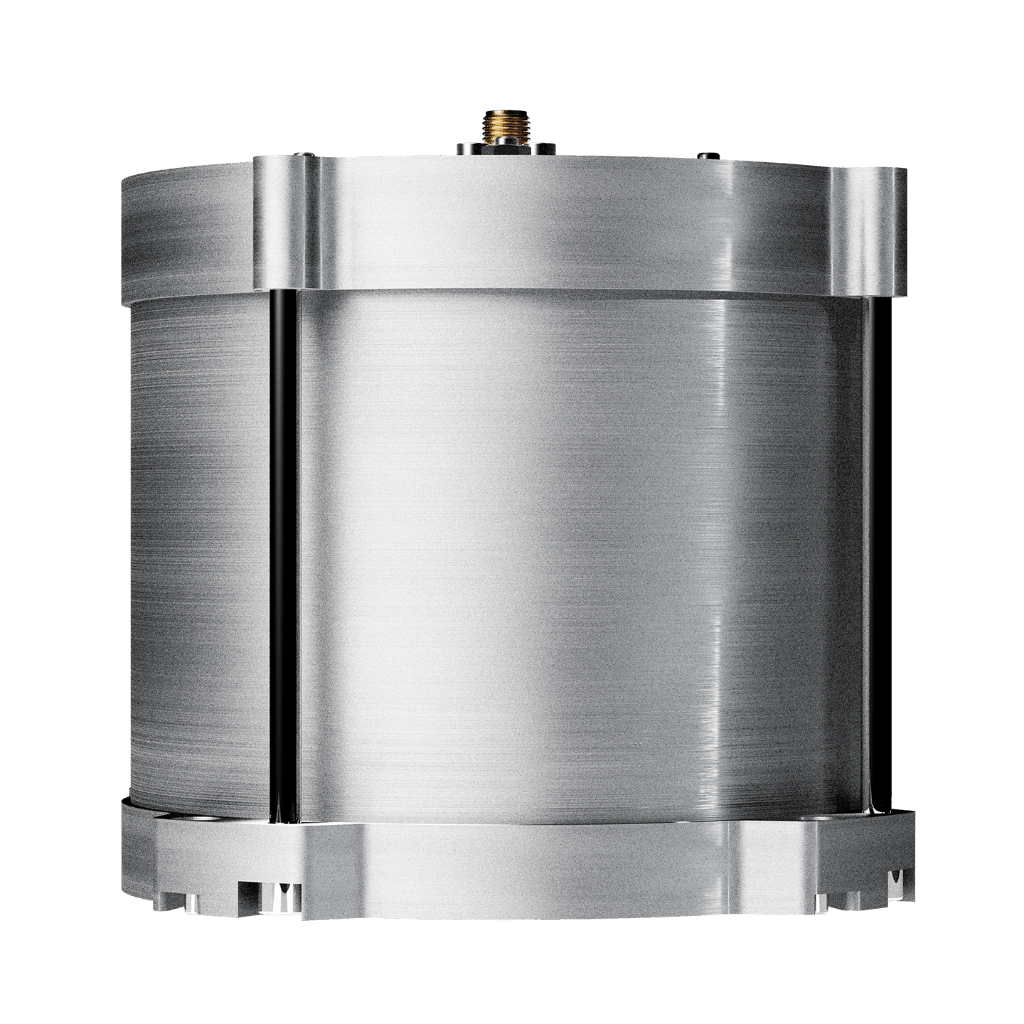
At 84.3 × 84.3 mm footprint and just 21.72 mm total height, the S-Band TT&C Antenna fits within a 1U CubeSat face. With a mass of 136 g including connector, it imposes minimal mass budget impact on any small satellite platform.
Our flagship S-Band
TT&C Antenna
Anywaves S-Band TT&C Antenna is our flagship S-Band TT&C (Telemetry, Tracking and Control) antenna with a strong flight heritage and a TRL 9. Perfectly suited to LEO platforms, the S-Band TT&C Antenna operates both in transmission for telemetry and in reception for telecommand.
Its wide hemispherical beam coverage (HPBW > 90°) enables the best satellite availability for TT&C links. In pair work, two antennas provide omni-directional coverage. Provided with LHCP or RHCP polarisation, with a SMA connector and a protective VESPEL radome, the S-Band TT&C Antenna is compatible with the Anywaves Test Hat for S-Band TT&C Antennas.

Complete EIDP
At the delivery of your antennas, you will receive a complete EIDP (End Item Data Package) including: RF acceptance test reports, ICD (Interface Control Document), Mechanical envelope, User Manual, Certificate of conformity.

In-Depth Engineering Support
During the full length of your antennas project, you’ll benefit from an in-depth and tailored support from our experienced engineers. They’ll answer all of your questions and ensure that our antennas meet your missions’ needs.

Further Testing Available On Demand
If needed, we can perform additional on-demand tests on your antennas to guarantee their performance in the specific environment and conditions of your spacecraft.

Specific Requests Analysis With Experts
In the case you need additional information and performance results, our experts can conduct complementary analysis based on your requirements (mechanical, thermal, radio-frequency performances on platform etc.).



You might also like

Your satellite. Always reachable.
Tell us about your platform and mission profile. Our engineers will help you select the right TT&C antenna configuration and ensure the best link performance for your mission.
Questions & Answers
-
What is a TT&C antenna and what does it do?
A TT&C (Telemetry, Tracking and Control) antenna is responsible for the communication link between a satellite and its ground station. It transmits telemetry data from the satellite (housekeeping, mission data) and receives telecommand signals sent by operators. For small satellites and CubeSats in LEO, the TT&C antenna is typically one of the most critical components, as it must maintain a reliable link throughout every satellite pass over a ground station.
-
Why S-Band for TT&C?
S-Band (2–4 GHz) is the most widely used frequency range for satellite TT&C, and is supported by the large majority of ground station networks worldwide. It offers a good balance between link budget performance, antenna size, atmospheric propagation and regulatory availability. The Anywaves S-Band TT&C Antenna operates from 2.025 to 2.29 GHz, covering the standard ITU allocations for space-to-Earth and Earth-to-space TT&C links.
-
What does TRL 9 mean for this antenna?
TRL 9 (Technology Readiness Level 9) means the product has been proven in an actual mission environment — i.e. it has flown and operated in space. The Anywaves S-Band TT&C Antenna has been in orbit since 2019 on multiple missions, which is the highest possible qualification level. This de-risks the procurement decision significantly compared to lower-TRL products.
-
What is circular polarization and why does it matter for TT&C?
Circular polarization (Left-Hand or Right-Hand, LHCP or RHCP) means the antenna radiates and receives a signal whose electric field rotates as it propagates. For TT&C links, circular polarization avoids polarization mismatch losses that would occur with linear polarization when the satellite is tumbling or at a wide elevation angle. The Anywaves S-Band TT&C Antenna is available in either LHCP or RHCP.
-
How many antennas do I need for full coverage?
A single S-Band TT&C Antenna provides a hemispherical coverage with a Half Power Beam Width greater than 90° and a gain above 0 dBi at ±60° off boresight. For full omni-directional coverage — ensuring link availability regardless of satellite attitude — two antennas mounted on opposite faces of the spacecraft are recommended. In this pair configuration, Anywaves S-Band TT&C Antennas provide complete 4π-steradian coverage.
-
What are the differences between EM and FM items?
An Engineering Model (EM) is used for design validation and integration testing on the ground. It is manufactured to be representative of the flight design but may not undergo the full qualification test campaign. A Flight Model (FM) is the unit that actually flies on the spacecraft and undergoes full acceptance testing (RF, mechanical, thermal) before delivery. Anywaves delivers complete EIDP documentation for all flight models.
-
Is the S-Band TT&C Antenna compatible with a Test Hat?
Yes. Anywaves offers a dedicated Test Hat for S-Band TT&C Antennas, which allows you to perform functional RF testing of the antenna while it is already integrated on your spacecraft, without having to dismount it. The S-Band TT&C Antenna is specifically designed to be Test Hat compatible.
S-Band TT&C Antenna: space-grade telemetry and telecommand for LEO satellites
he Anywaves S-Band TT&C Antenna is a flight-proven, TRL 9 antenna for satellite Telemetry, Tracking and Control (TT&C) applications in Low Earth Orbit. Operating from 2.025 to 2.29 GHz in full duplex, it provides a hemispherical beam coverage with a Half Power Beam Width greater than 90° and a realized gain above 6.5 dBi at boresight, 4.5 dBi at ±30° and 0 dBi at ±60°. Available in Left or Right Hand Circular Polarization (LHCP / RHCP) with a coaxial SMA female connector, it fits within a 1U CubeSat face (84.3 × 84.3 × 21.75 mm) and weighs 136 g.
In orbit since 2019 on multiple missions, the Anywaves S-Band TT&C Antenna features a protective VESPEL radome resistant to thermal cycling, radiation and electrostatic discharges. It is provided with full acceptance testing (RF, mechanical and thermal on flight models) and a complete EIDP. ITAR Free. Compatible with the Anywaves Test Hat for S-Band TT&C Antennas. CNES Advance and CNES SME labels. EN 9100 certified. For complete dual-circular-polarization coverage, refer to the Compact S-Band TT&C Antenna.
