Home Missions Applications Navigation

Satellite navigation

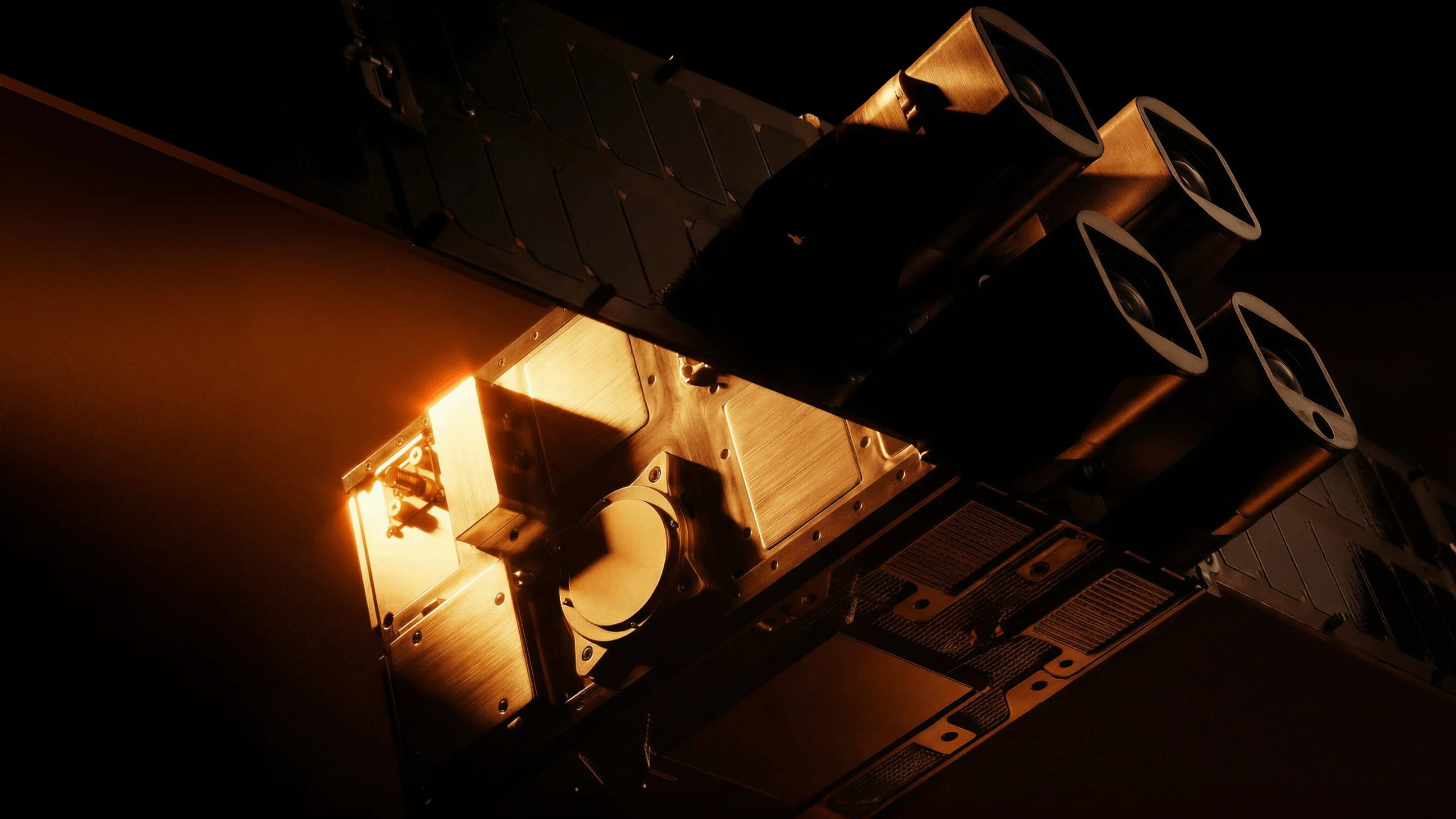
Satellite navigation systems provide positioning, navigation and timing (PNT) services that are critical across both space and terrestrial applications. From precise orbit determination to synchronization of onboard systems, navigation performance depends on the accuracy and robustness of the entire signal chain.

At Anywaves, we design antennas, RF electronics and payload technologies that enable high-precision navigation and timing, ensuring reliable positioning data and stable system performance across all mission phases.

Applications

Navigation systems are embedded across a wide range of space missions, from satellite constellations to launch vehicles and in-orbit servicing platforms.

These applications require precise signal acquisition, robust RF front-end performance and reliable integration with onboard processing systems.

Satellite Navigation (GNSS missions)

Onboard Positioning and Orbit Determination

Launcher Navigation

Timing and Synchronization
position

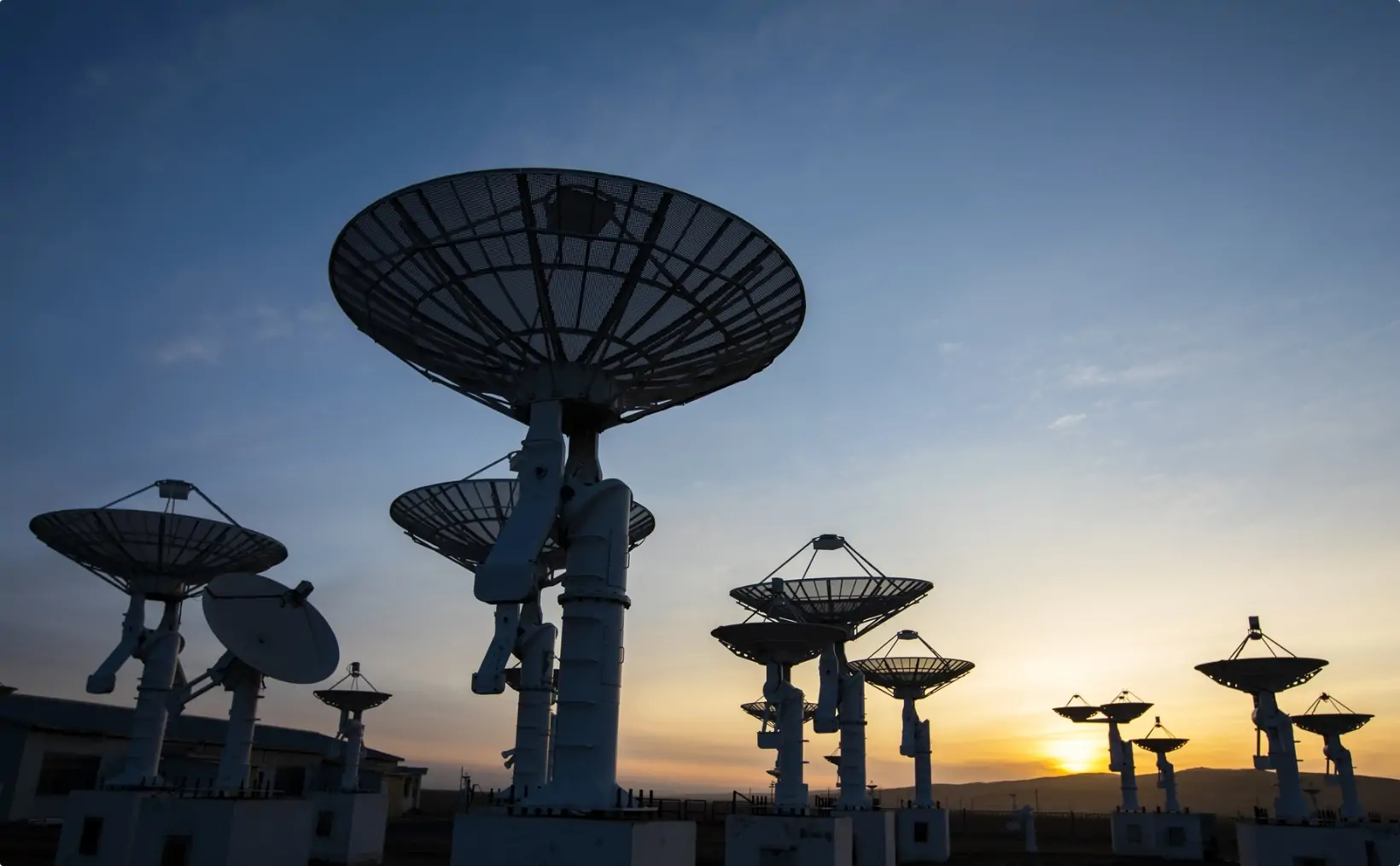
Global Navigation Satellite Systems provide continuous positioning and timing services worldwide. These missions require highly stable RF performance and precise signal integrity to ensure accuracy.

position

Satellites use GNSS signals to determine their position and velocity in real time, supporting attitude control, formation flying and mission operations.

position

Launch vehicles rely on navigation systems during ascent and re-entry phases. GNSS antennas and RF systems ensure accurate trajectory tracking and positioning throughout the mission.

position

Precise timing signals are critical for payload operations, communication systems and coordinated satellite constellations, requiring highly stable and reliable navigation subsystems.

Challenges in navigation systems

Signal accuracy

Navigation performance depends on precise signal reception and minimal distortion across the RF chain.

Multi-constellation compatibility

Systems must support multiple GNSS constellations (GPS, Galileo, etc.) simultaneously.

Harsh environment resilience

Navigation hardware must maintain performance under radiation, thermal cycling and vibration.

Integration constraints

Compact satellite platforms require optimized integration without degrading RF performance.

A complete approach
to navigation systems

High-precision RF design

Our antennas and RF electronics are engineered to ensure accurate positioning and timing performance.

Multi-band GNSS capability

Solutions support multiple navigation signals and constellations for increased reliability and accuracy.

Integrated system design

We design RF, electronics and payload interfaces together to ensure end-to-end performance.

Flight-proven technologies

Our navigation solutions are validated through qualification and operational missions.

VesselSat 1 and 2

VesselSat 1 and 2

VesselSat 1 and 2

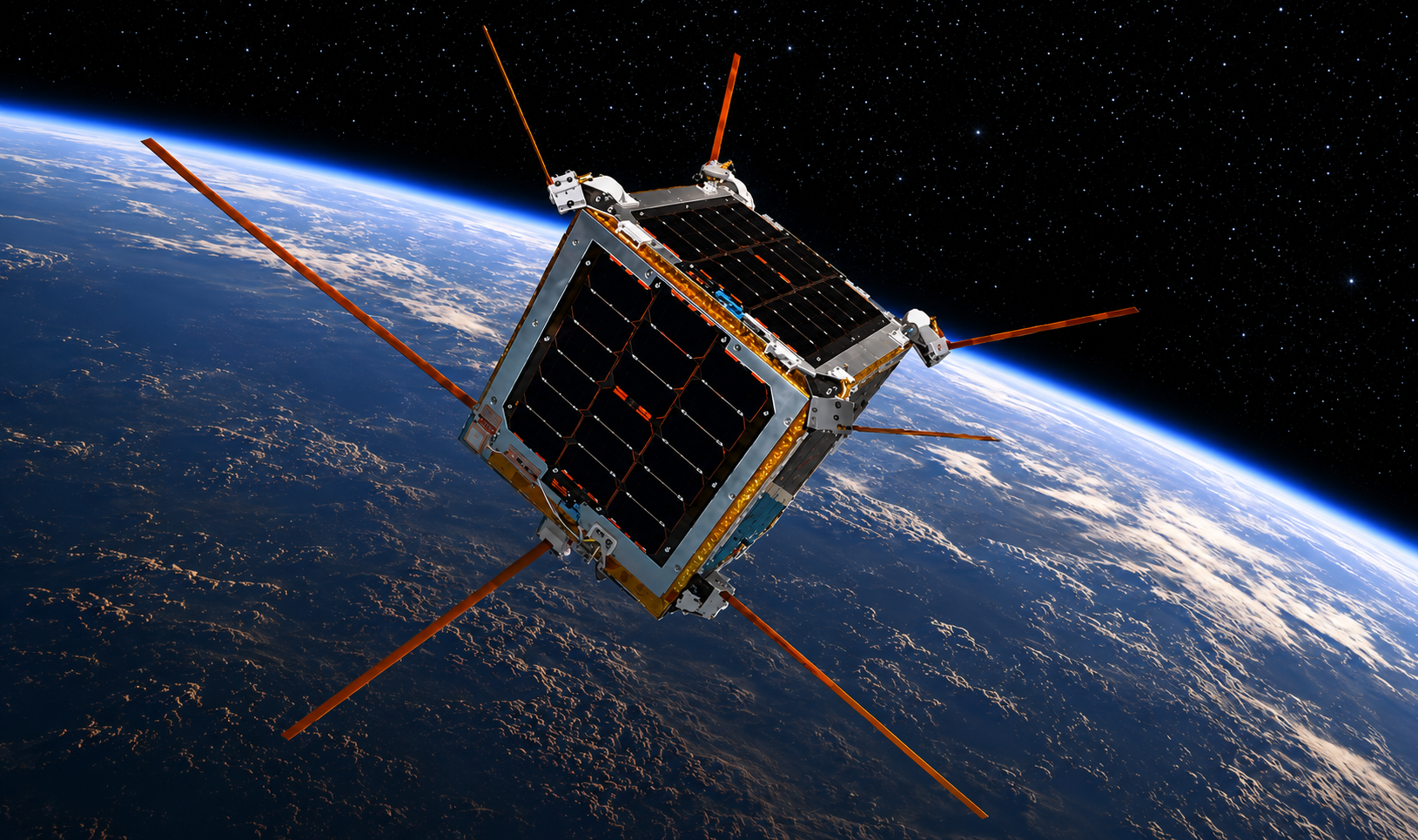
VesselSat-1 and VesselSat-2 are pioneering nanosatellites that marked the transition from experimental to fully operational space-based AIS maritime tracking. Developed for Orbcomm, they enabled continuous global vessel monitoring with unprecedented reliability. EmTroniX provided the core AIS payload and onboard electronics, delivering high-sensitivity signal reception capable of handling dense maritime traffic and enabling real-time global ship tracking.

Launched October 2011
Product

Electronics and embedded software

ColAIS (Colombus AIS)

ColAIS

ColAIS

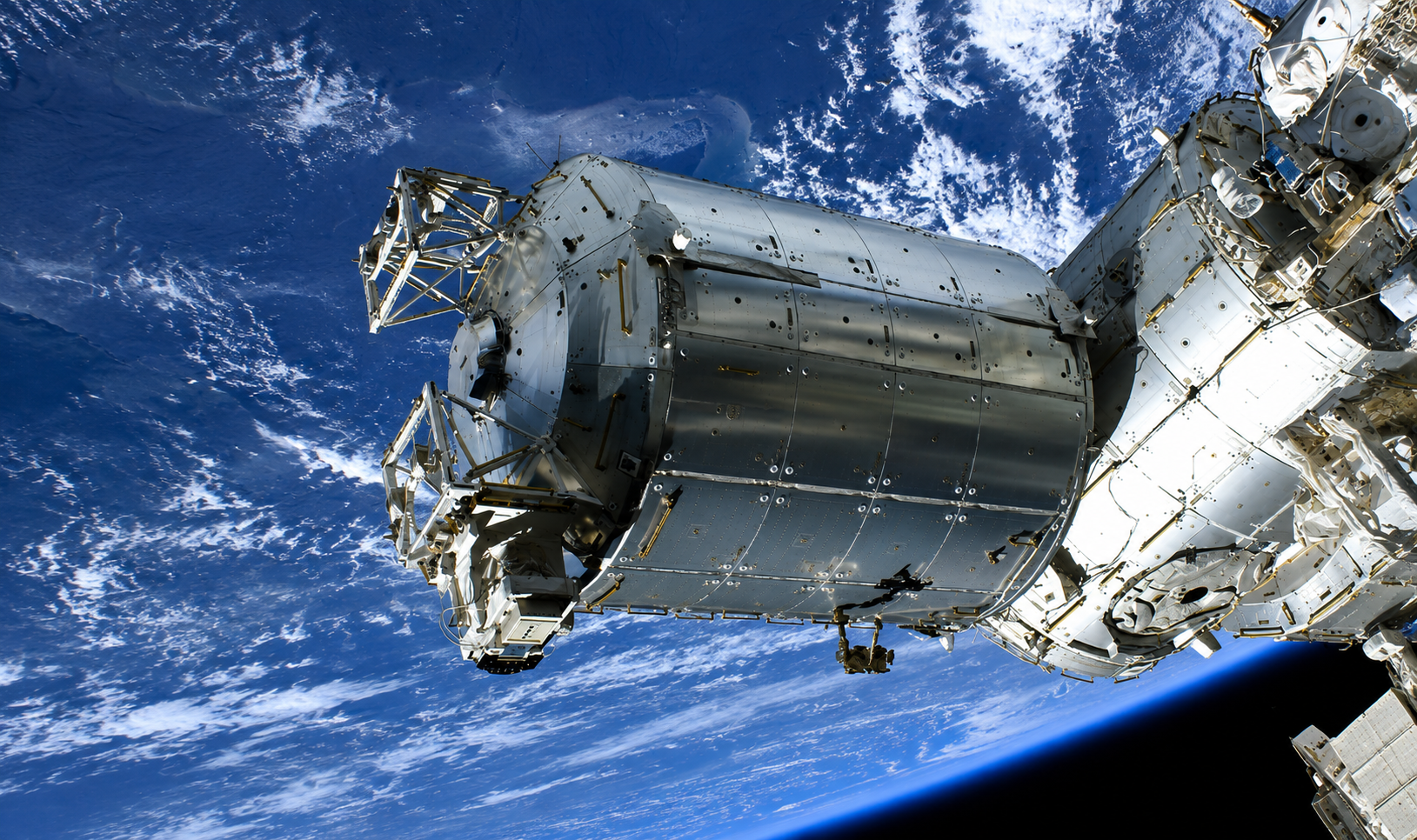
ColAIS (Colombus AIS) brought space-based AIS detection to the International Space Station, demonstrating large-scale maritime signal analysis from orbit. Installed on the Columbus module, the payload provided valuable insights into VHF signal propagation and collision behaviour. EmTroniX developed ISS-qualified electronics and signal processing capabilities, ensuring safe, high-performance operation in a human-rated environment.

Launched September 2009
Featured

ESA

Product

FPGA-based receiver electronics
Power management systems

Omnispace Spark 1 & 2 - Thales Alenia Space with Anywaves Antenna Onboard

Omnispace Spark 1 & 2

Omnispace Spark 1 & 2

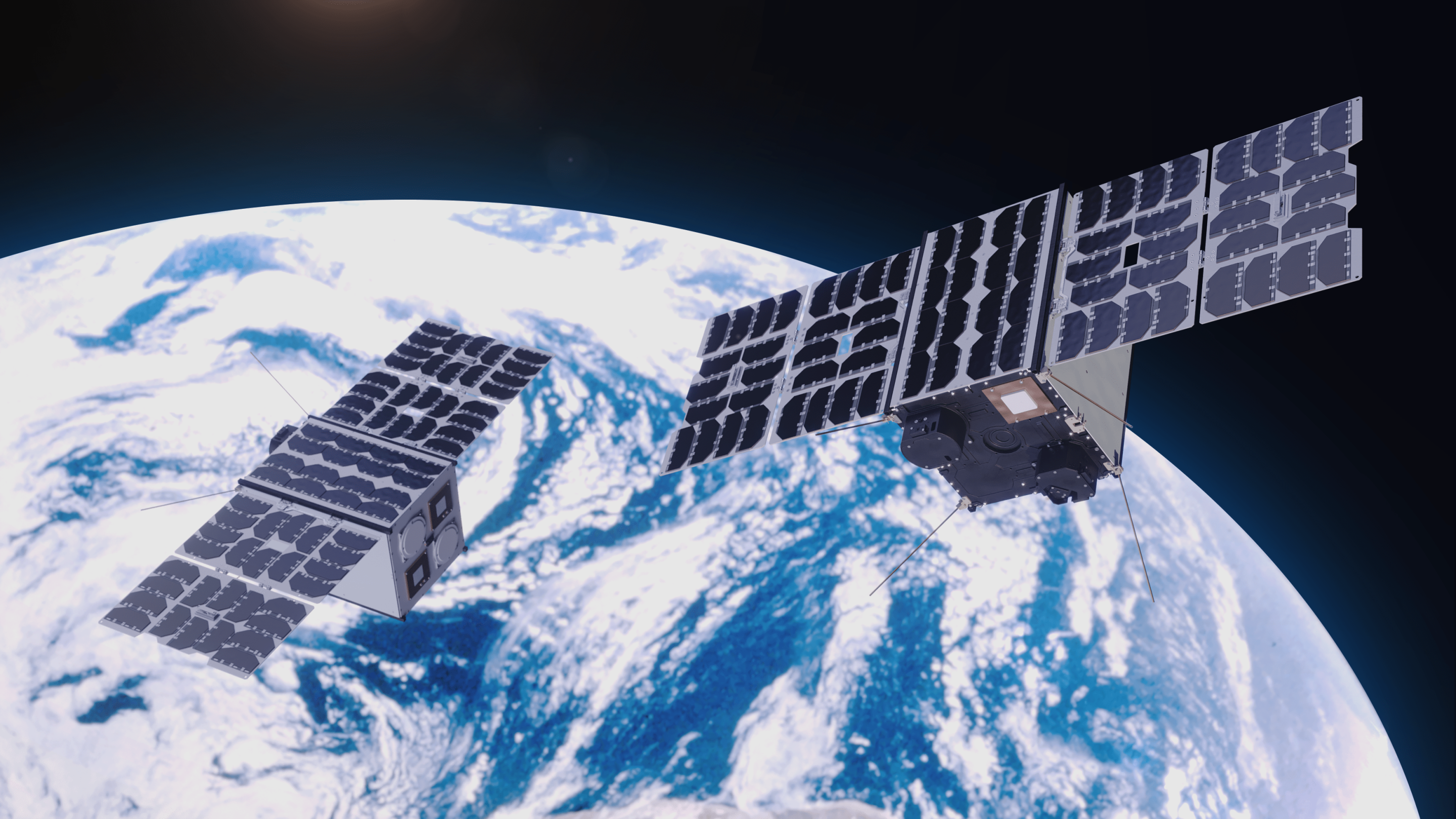
Omnispace Spark-1 and Spark-2 are technology demonstration satellites launched in 2022 to validate Omnispace’s hybrid non-terrestrial 5G communications network in Low Earth Orbit.
Anywaves contributes to the missions with its S-Band TT&C antennas, ensuring reliable telemetry, tracking, and command communications in orbit.

Launched April 2022
Featured

Thales Alenia Space
Omnispace

Product S-Band TT&C Antenna
celeste leo-pnt anywaves antennas on board

Celeste

Celeste

Celeste is ESA’s Pathfinder mission for the LEO-PNT programme, designed to demonstrate precision navigation and timing from low Earth orbit as a precursor to a full navigation constellation. It is one of the most high-profile LEO-PNT missions in Europe, and the Anywaves GNSS All-Bands Antenna was selected for its multi-constellation all-bands coverage — a natural fit for a mission dedicated to precision positioning.

Launched October 2024
Featured

ESA
OHB System

Product Quadrifilar Helix Antenna GNSS All-Bands Antenna

Pandore

Pandore

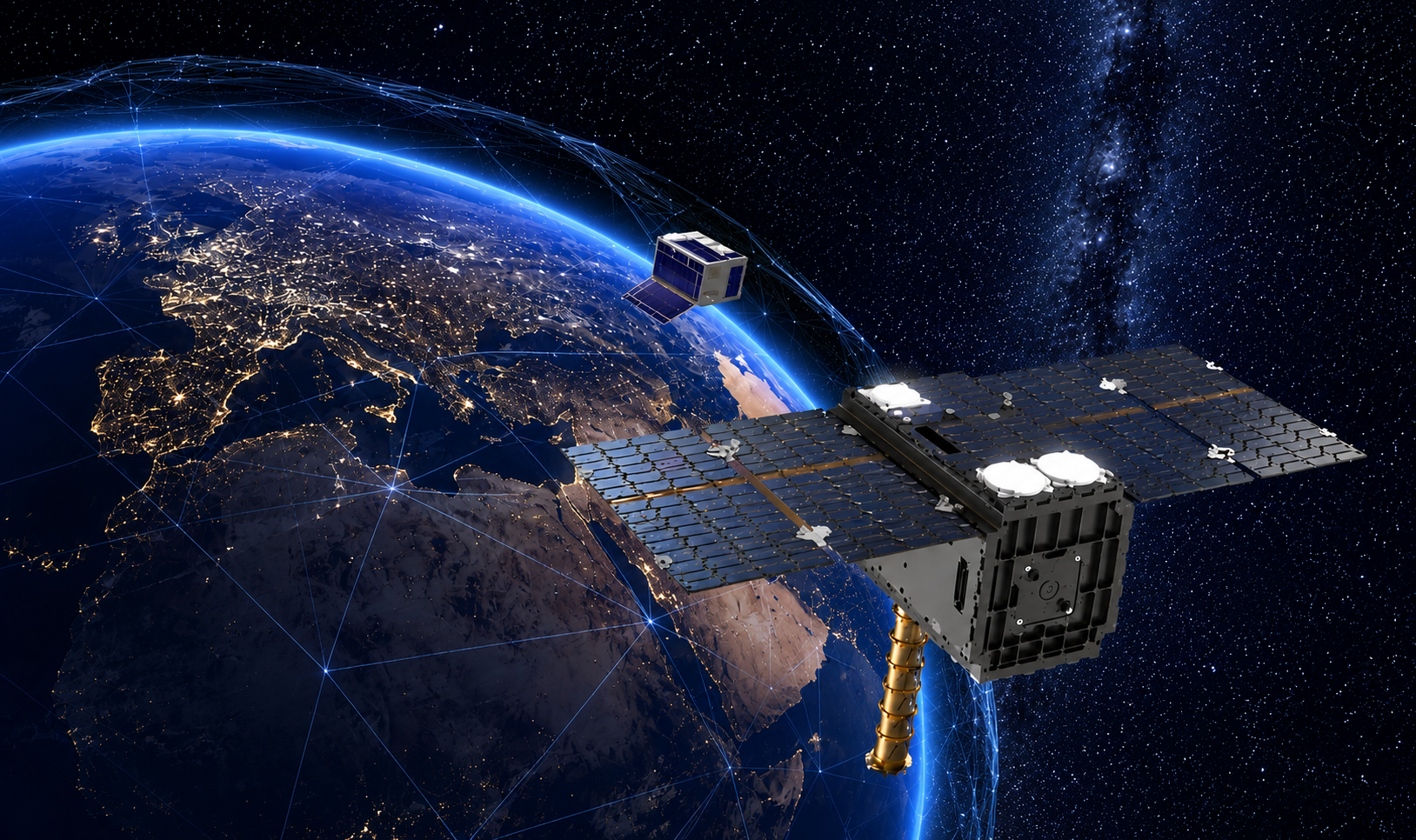
Pandore is a French nanosatellite mission demonstrating Synchrocube, Europe’s first in-orbit LEO-PNT technology designed to strengthen and complement existing GNSS timing services.
Anywaves equips the satellite with S-Band TT&C, X-Band downlink, and GNSS antennas, enabling robust communications, precise navigation, and reliable transmission of mission data.

Launched March 2025
Featured

U-Space

Product S-Band TT&C Antenna Compact Wideband Antennas Compact X-Band Antenna GNSS All-Bands Antenna

Contact us

Looking to integrate reliable navigation or timing capabilities into your mission? Our team supports you in defining and implementing RF and payload solutions tailored to your requirements.

Questions & Answers

  • What role do antennas play in navigation systems?

    They are the entry point of the signal chain. Antenna performance directly affects positioning accuracy and timing precision.

  • Why is multi-constellation support important?

    Using multiple GNSS constellations improves availability, redundancy and positioning accuracy.

  • Can navigation systems impact overall mission performance?

    Yes. Navigation accuracy influences orbit control, payload pointing and system synchronization.

  • Do you provide full navigation subsystems?

    We provide antennas, RF front-end elements and payload technologies, integrated to ensure consistent navigation performance.

Satellite navigation antennas and RF systems

Satellite navigation systems provide critical positioning, navigation and timing services for space missions. Their performance depends on high-precision RF systems capable of receiving and processing signals from multiple GNSS constellations in harsh space environments.

Your product list
Get a quote
Download datasheets
Loading…

Your product list is currently empty. Browse our portfolio and add products to download datasheets or request a quote.

Discover our products Discover our products

Get a quote
Download Datasheet