Navigation Antennas

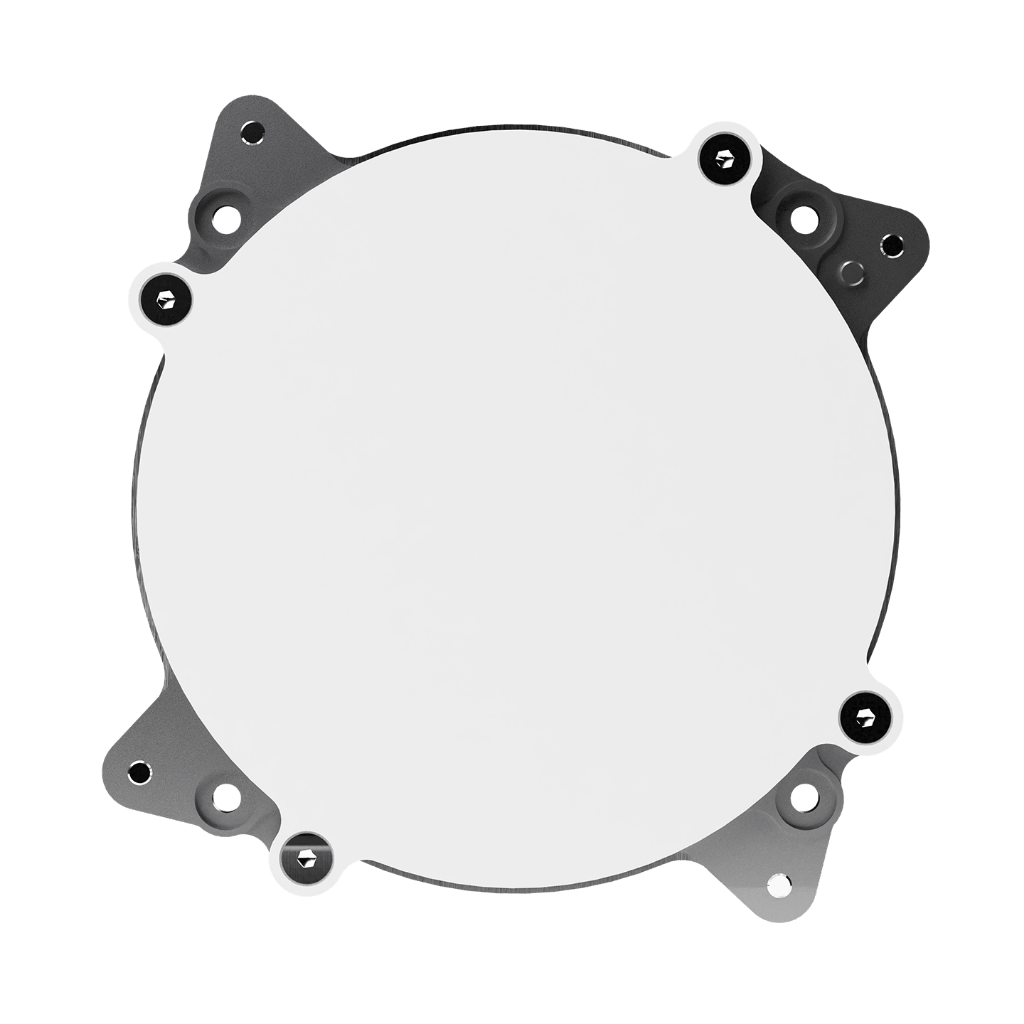
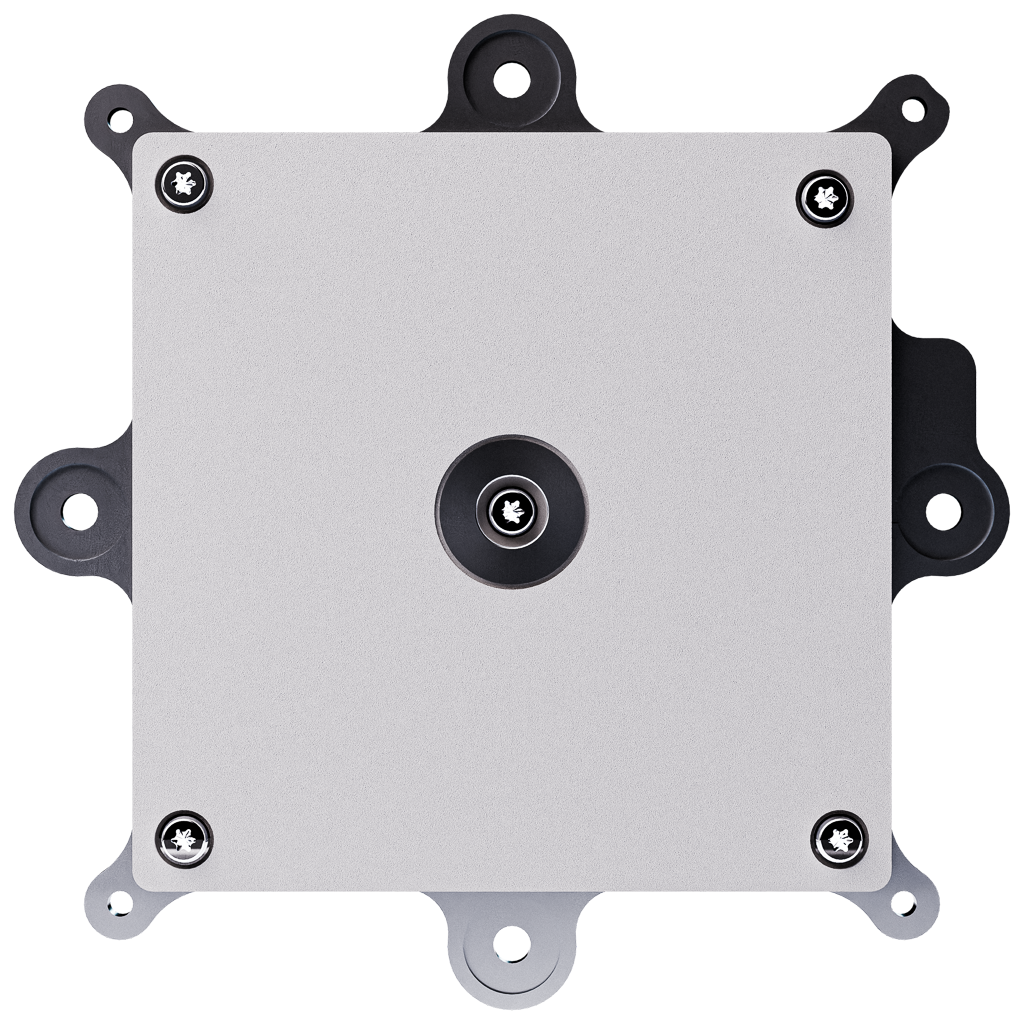
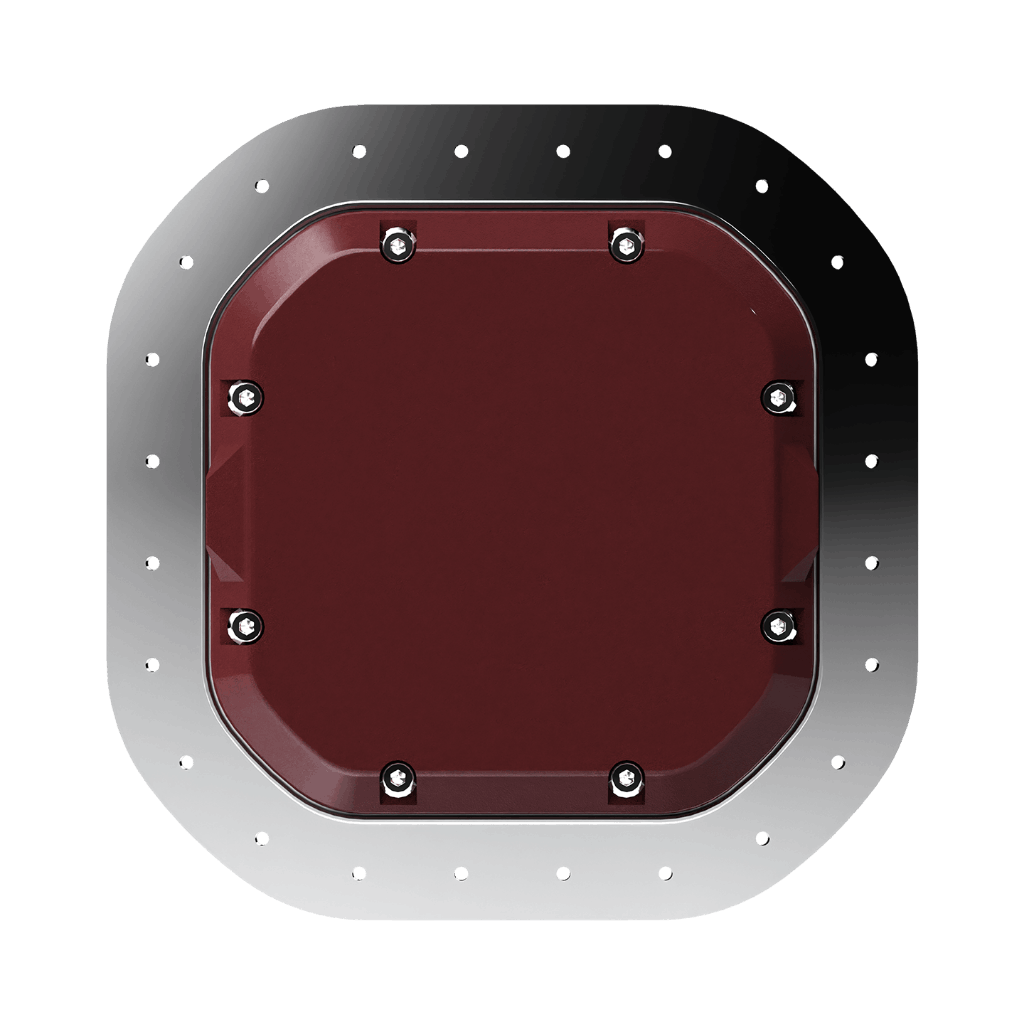
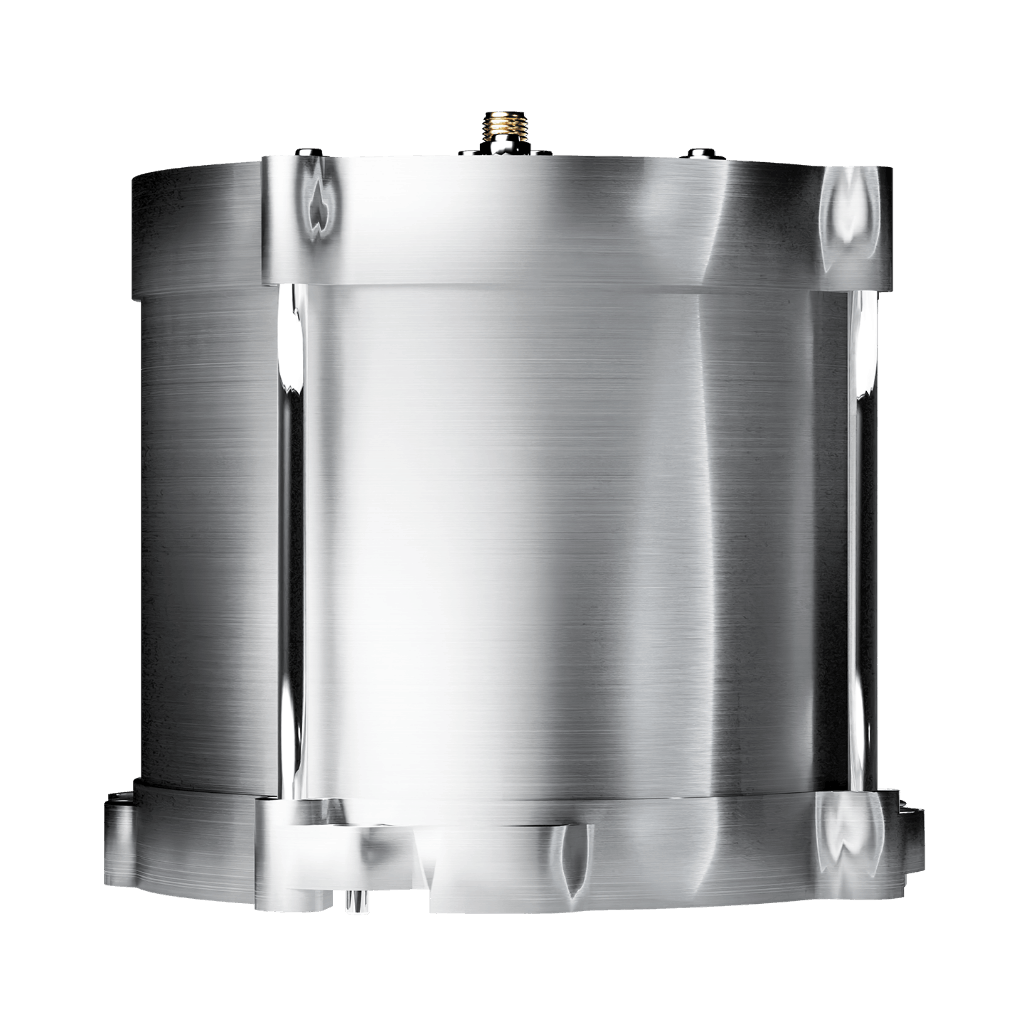
Our navigation antenna product lines are engineered to ensure stable, high-quality reception of GNSS signals across multiple constellations, supporting precise orbit determination, positioning and timing functions.
Designed for LEO platforms and demanding space environments, they combine compact form factors, controlled radiation patterns and stable phase center performance. Designed, manufactured and qualified in-house, these antennas help spacecraft manufacturers secure reliable navigation capabilities while minimizing integration complexity and performance uncertainty.


Contact us
Working on a navigation or PNT mission? Our team can help you select the right antenna based on your accuracy requirements, GNSS coverage and spacecraft constraints.
Questions
& Answers
-
Do you propose an EM — Engineering Model — and/or an FM — Flight Model — item?
Yes. As for our other product lines, our navigation antennas are available as Engineering Models and Flight Models. Both versions are designed with the same electrical performance targets and rely on the same materials and processes. Flight Models undergo full acceptance testing before delivery, while Engineering Models are typically used for integration checks, functional validation and early programme de-risking.
-
What are test caps useful for? Can I use your test caps on any antenna?
Test caps are designed to simplify RF verification during integration, validation and pre-launch testing. They enable repeatable measurements in controlled environments such as clean rooms or thermal chambers, without requiring an anechoic chamber for every verification step. Our test caps are specifically designed for Anywaves antennas, so compatibility with antennas from other suppliers cannot be guaranteed.
-
What if my specifications are different from the navigation antennas listed on your website?
Our standard navigation antenna product lines cover a wide range of GNSS mission needs, but some programmes require specific adaptations. Depending on your requirements, our engineering team can assess whether an existing product can be adapted or whether a dedicated antenna development is more appropriate. Typical discussion points include frequency bands, constellations, mechanical envelope, interface constraints and mission environment.
-
I don’t know which Navigation / GNSS antenna to buy. Can you help?
Yes. Antenna selection depends on your GNSS constellations, frequency bands, expected accuracy, platform constraints and integration architecture. Our team can help you identify the most suitable option based on your mission profile, whether you need a compact L1/E1 antenna, an all-bands GNSS solution, an integrated LNA option or a launcher-compatible navigation antenna.
-
Is the EIDP — Engineering Item Data Package — included? What does it contain?
Yes. The EIDP is included with Anywaves antennas. It provides the technical documentation required to support integration, verification and programme records. It typically includes the acceptance test report, Interface Control Document, mechanical envelope, user manual and certificate of conformity. This documentation helps your team integrate the antenna and maintain traceability throughout the programme.
-
Are your navigation antennas designed for reception or emission?
Our navigation antennas are primarily designed for reception. They receive signals from GNSS constellations such as GPS, Galileo, GLONASS and BeiDou to support positioning, velocity and timing functions. Their role is not to transmit data, but to preserve signal quality and enable reliable navigation performance in the spacecraft GNSS chain.
-
Which GNSS constellations are covered by your navigation antennas?
Our navigation antennas are designed to support the major GNSS constellations, including GPS, Galileo, GLONASS and BeiDou. Depending on the product, coverage may focus on specific bands such as L1/E1 or extend across all GNSS bands. Multi-constellation reception improves signal availability, robustness and positioning accuracy across different mission conditions.
-
What are the key features of a Navigation / GNSS antenna?
Key features include multi-constellation coverage, stable RF performance across GNSS bands, wide beam coverage, polarization purity and phase center stability. For space applications, compact form factor, mechanical robustness, thermal resistance and qualification status are also critical. These characteristics directly affect positioning accuracy, signal availability and ease of integration into the spacecraft platform.
-
Can I buy a single antenna or is there a minimum order? How quickly can I receive my order?
Yes, we can support both single-unit orders and volume requirements, depending on the product configuration and availability. Engineering Models may be suitable for early testing and integration work, while Flight Models are delivered with the required acceptance process and documentation. Lead times depend on stock status, configuration and programme requirements.
-
What is a navigation antenna used for in a satellite?
A navigation antenna receives GNSS signals that allow the spacecraft to determine position, velocity and timing. This information supports orbit determination, synchronisation and navigation-related spacecraft functions. In practice, the antenna is the first element in the GNSS reception chain, so signal quality at this point has a direct impact on downstream navigation performance.
-
Why is multi-constellation GNSS important?
Multi-constellation GNSS improves signal availability by allowing the receiver to use satellites from several systems rather than relying on a single constellation. This can improve positioning robustness, reduce vulnerability to local signal gaps and support better performance across different orbital geometries. For space missions, this is especially useful when accuracy and continuity are critical.
-
What is the phase center and why does it matter?
The phase center is the effective point from which the antenna receives the GNSS signal. If this point shifts depending on frequency, angle of arrival or polarization, it can introduce positioning errors. A stable phase center is therefore important for precise orbit determination and high-accuracy navigation applications.
-
What is the benefit of multi-band GNSS antennas?
Multi-band GNSS antennas receive signals on several GNSS frequency bands, which can improve positioning accuracy and resilience. Using multiple frequencies helps correct propagation-related errors and supports more advanced navigation processing. For missions requiring precise orbit determination or high positioning reliability, multi-band reception can provide a significant performance advantage over single-band solutions.
-
Why integrate a low-noise amplifier directly into the antenna?
An integrated LNA amplifies the GNSS signal as close as possible to the antenna element, before cable and connector losses degrade it. This improves the signal-to-noise ratio of the reception chain and can simplify integration for platforms where RF routing is constrained. It is especially relevant when weak GNSS signals must be preserved with minimal degradation.
-
Are your navigation antennas suitable for CubeSat and SmallSat missions?
Yes. Several Anywaves navigation antennas are designed for compact platforms such as CubeSats and SmallSats. They combine low mass, small form factor and space-qualified performance to support precise positioning and timing within constrained spacecraft architectures. The right product depends on the required GNSS bands, available surface area, integration interface and accuracy target.
GNSS navigation antennas for satellite positioning and timing
Anywaves designs and manufactures GNSS navigation antennas for satellite missions, enabling accurate positioning, timing and orbit determination. Our space-qualified antennas support multi-constellation GNSS reception across L-band frequencies, with compact designs optimized for CubeSats, SmallSats and larger spacecraft. Designed, manufactured and tested in-house, our navigation antennas provide stable phase center performance, reliable signal reception and reduced integration complexity for modern space missions.
