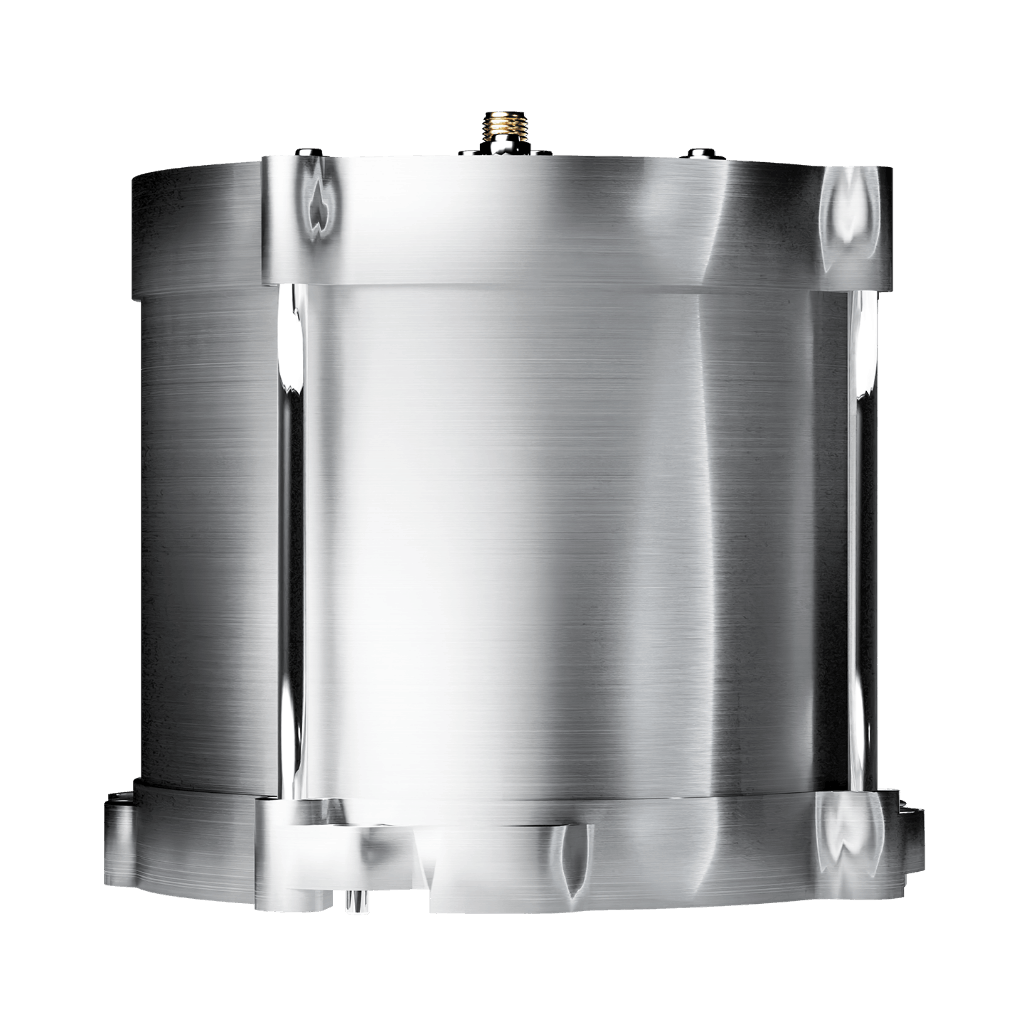
GNSS All-Bands Launcher Antenna
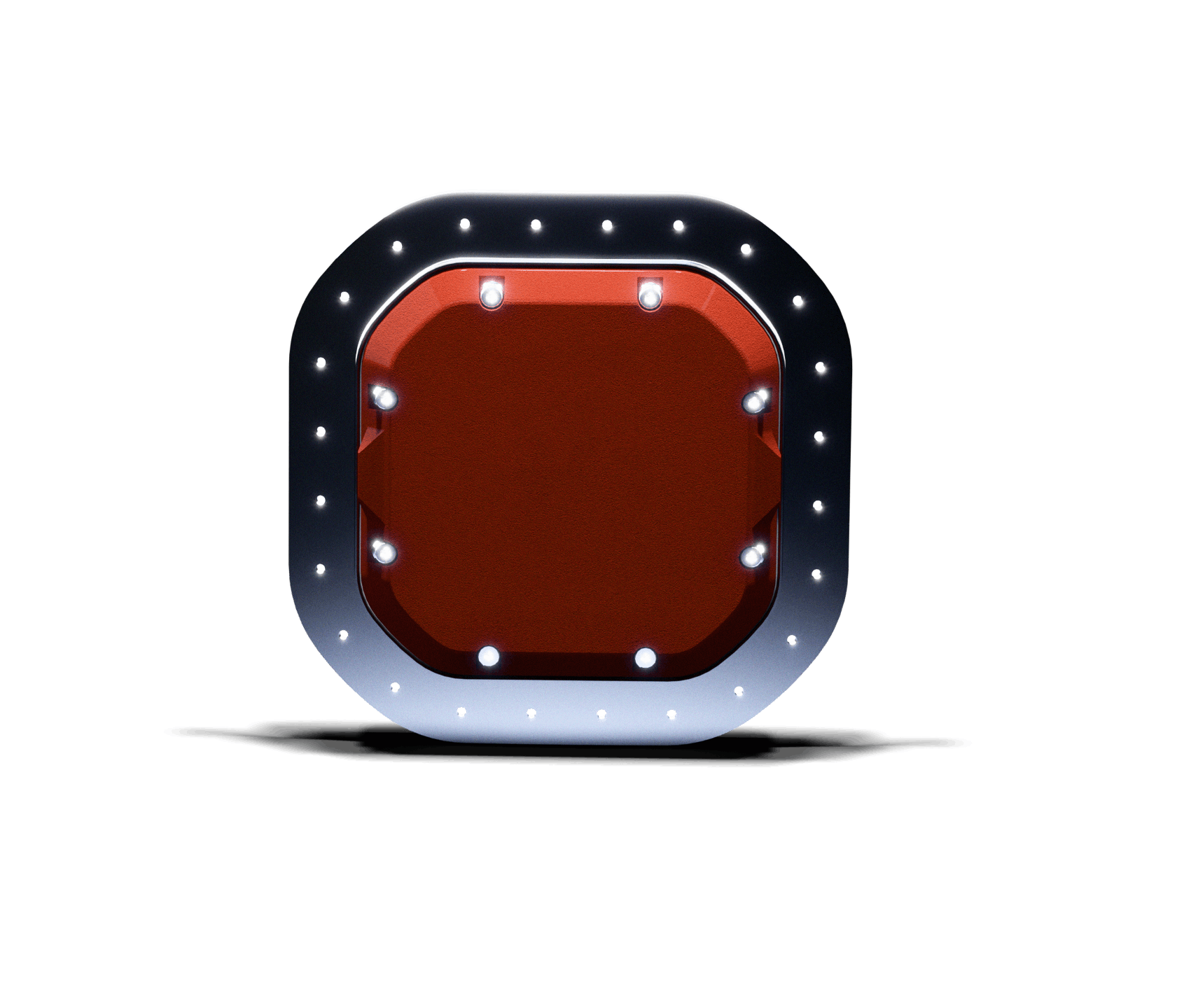
Technical specifications
> −2 dBi @ ±30°
> −6 dBi @ ±60°
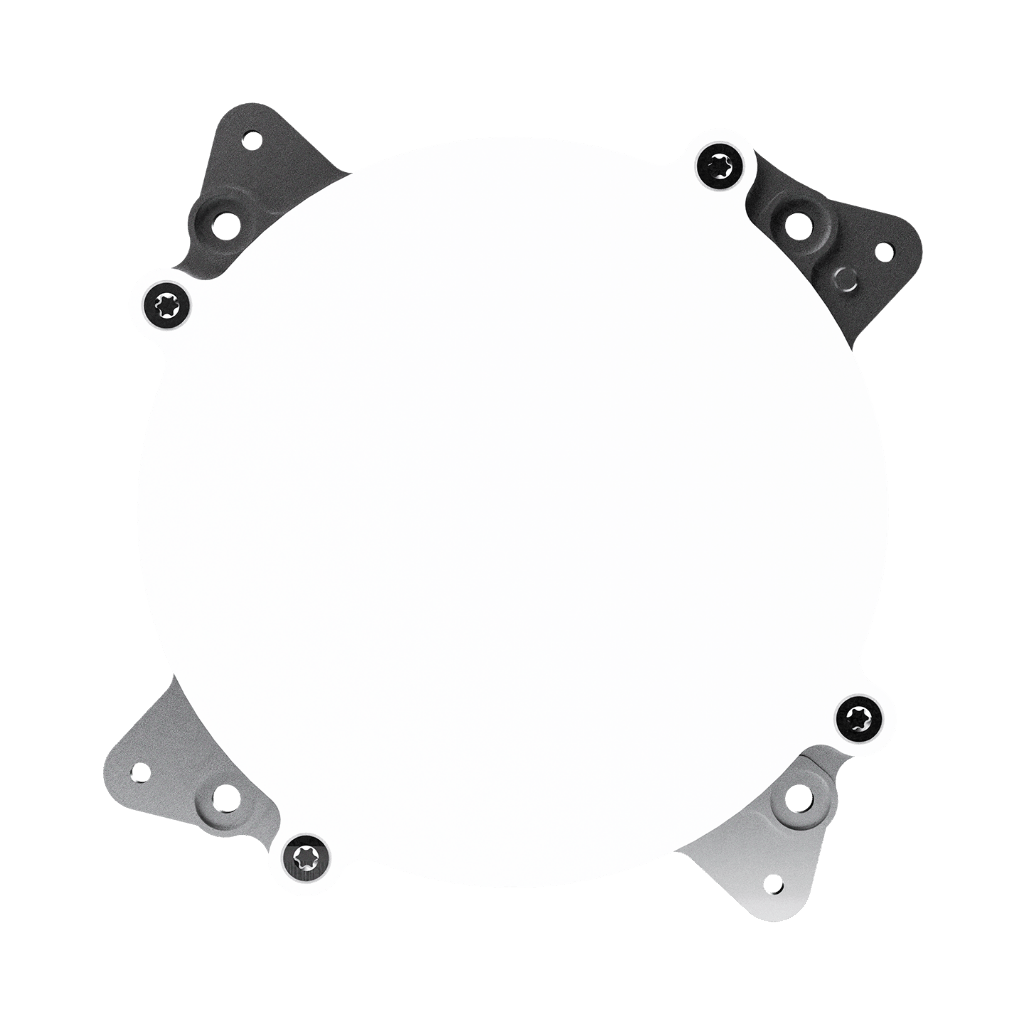
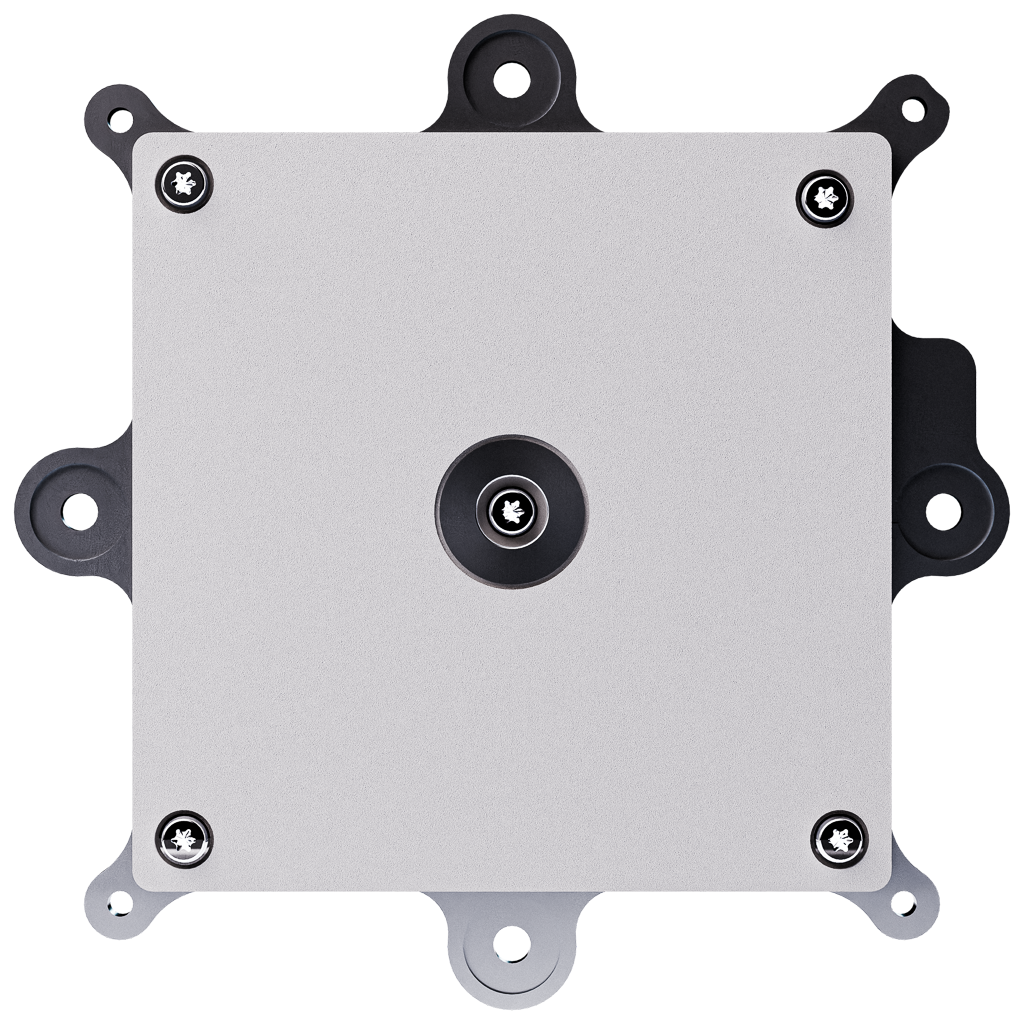
Flat mechanical bracket: 106g
Thermal shield: 62 g
All GNSS constellations. Built for launch.
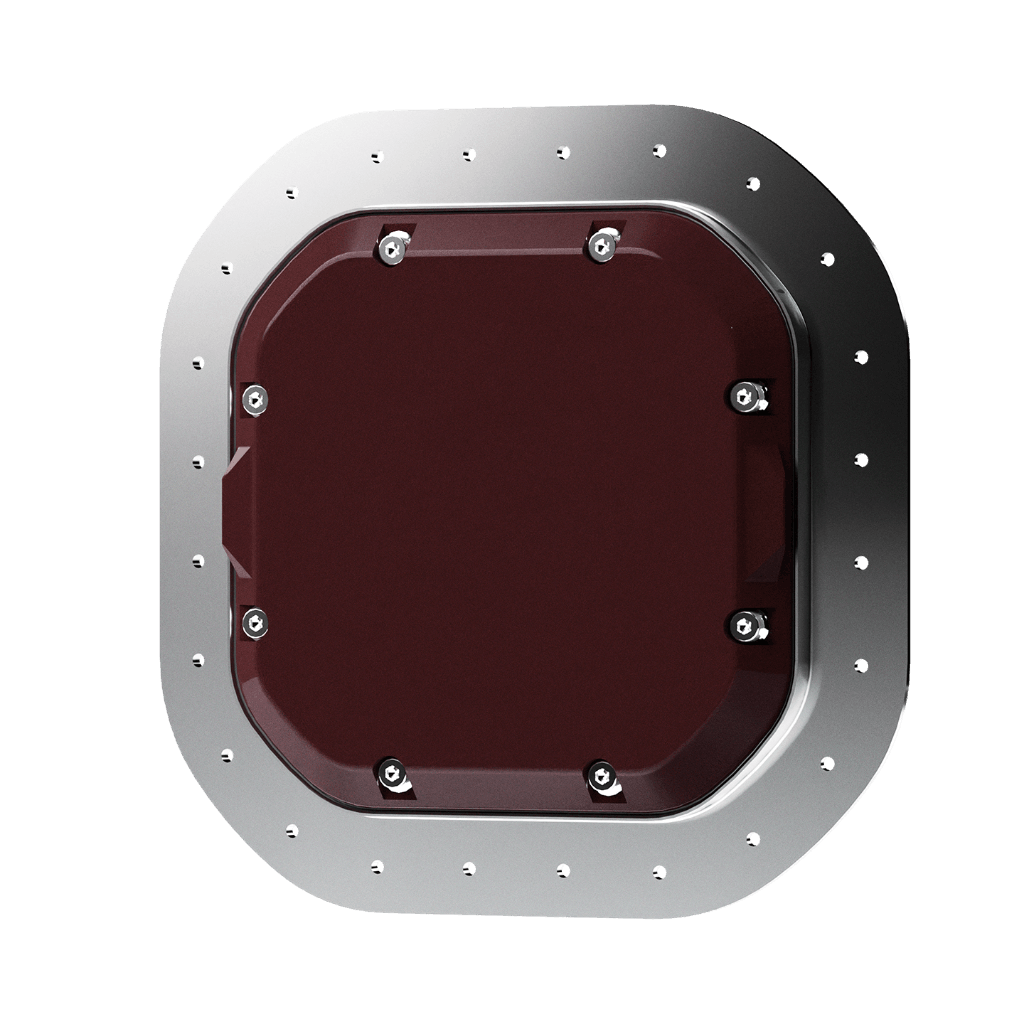
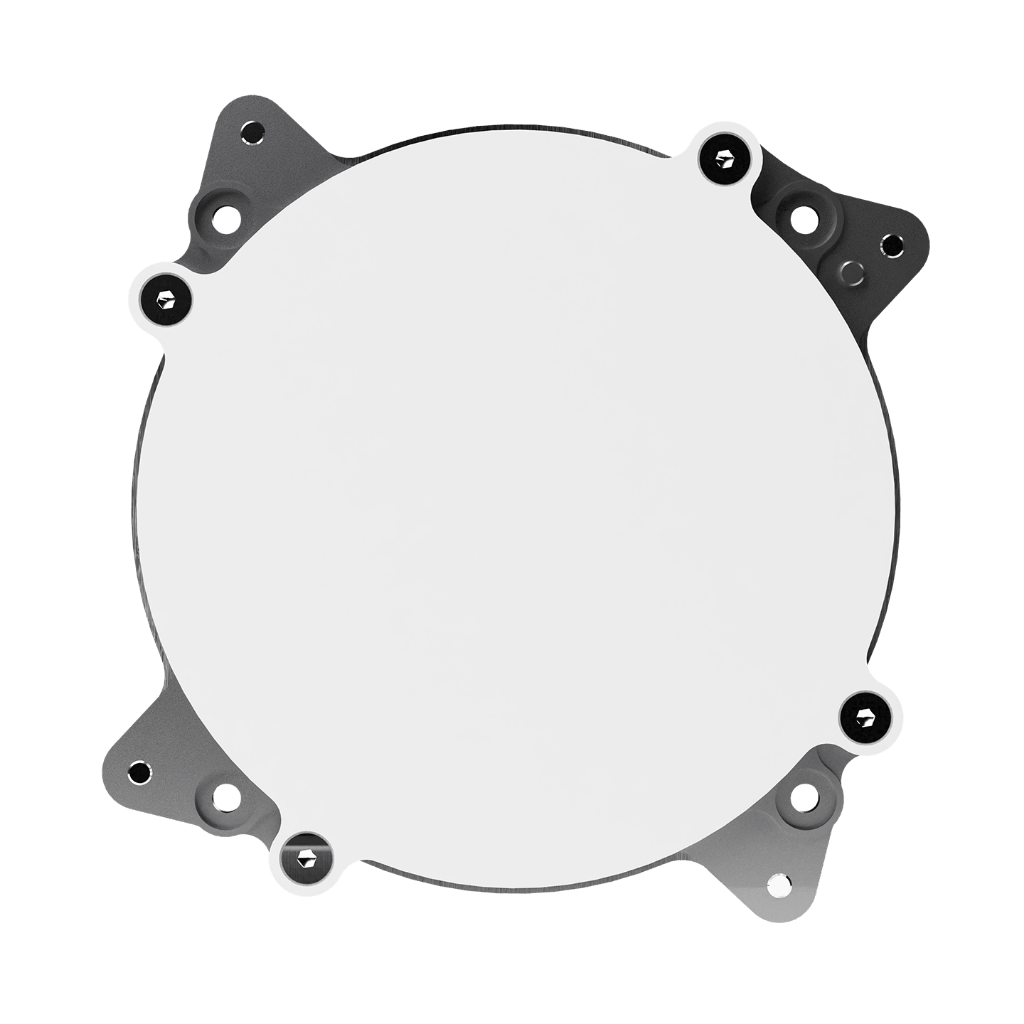
Thermal shield engineered for the launch environment
In addition to the PEEK radome that protects the standard GNSS All-Bands Antenna orbital thermal cycling, the GNSS All-Bands Launcher Antenna is furtherly protected by a dedicated thermal shield designed to withstand the intense heat flux experienced in launcher environments. This allows the antenna to provide continuous GNSS navigation coverage throughout all launch phases — from ground checkout through max-Q, stage separation and orbit injection — without performance degradation.
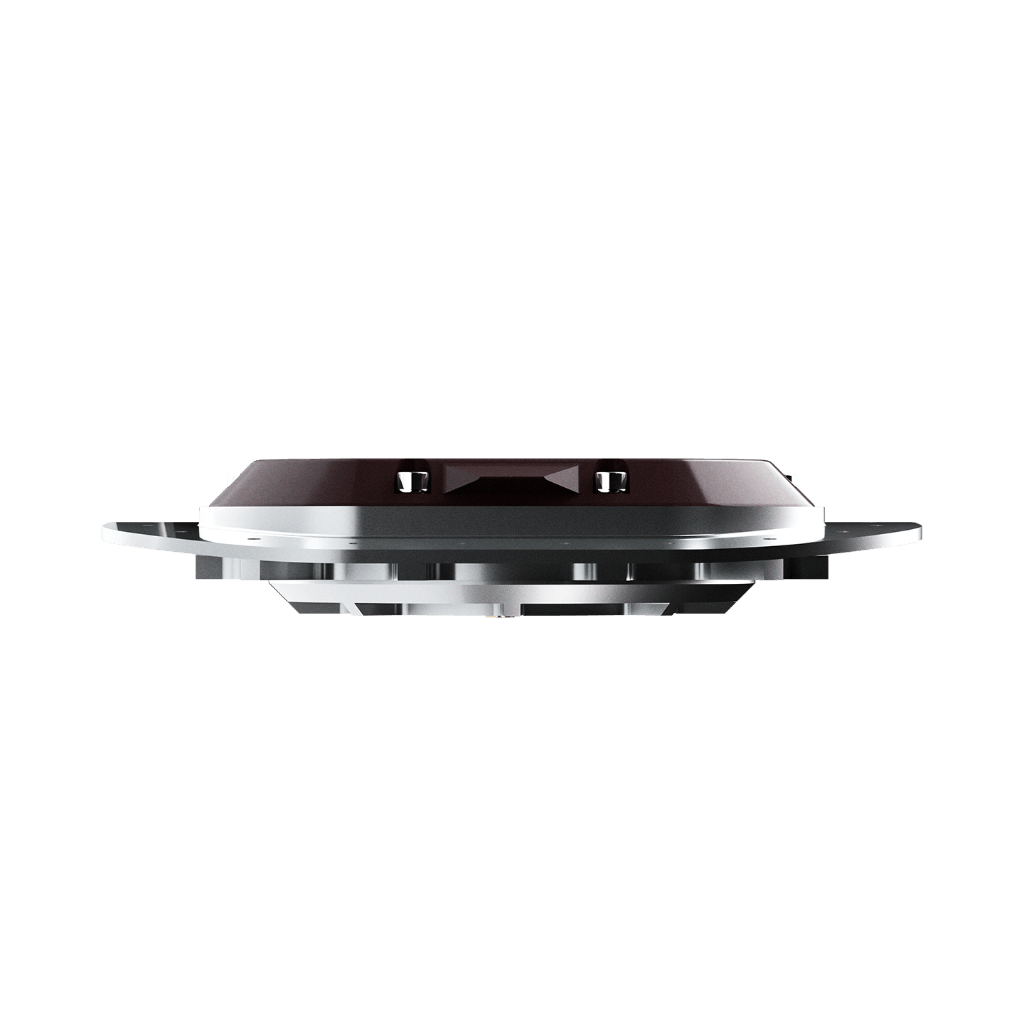
All GNSS constellations simultaneously — the only solution on the market
Operating from 1.16 to 1.61 GHz, the GNSS All-Bands Launcher Antenna simultaneously receives GPS L1/L2/L5, Galileo E1/E5a/E5b/E6, GLONASS G1/G2/G3, BeiDou B1/B2a/B2/B3 — providing complete GNSS signal diversity throughout the launch trajectory. This multi-constellation coverage eliminates signal blackout risks if one constellation becomes temporarily unavailable, and gives the launch vehicle’s navigation system maximum redundancy from liftoff to orbit insertion.
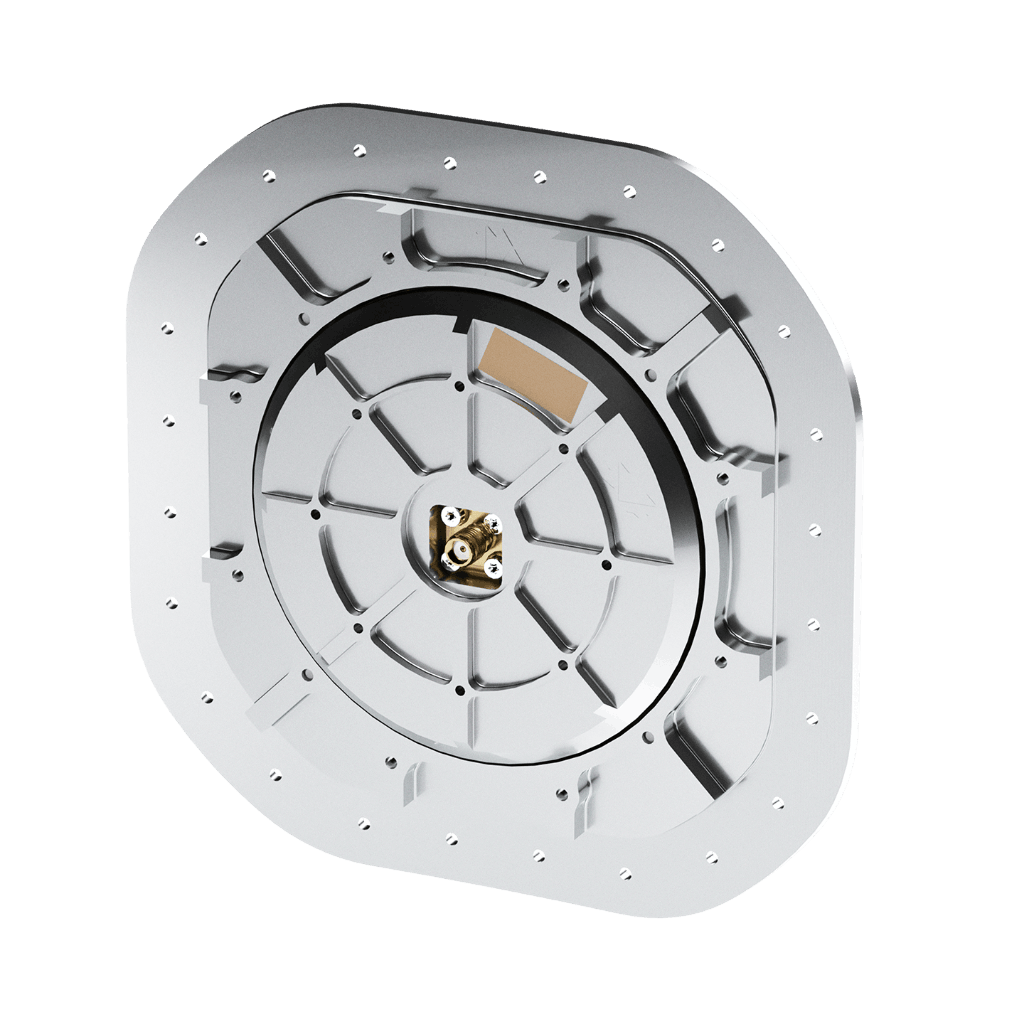
Compact launcher-compatible footprint with a stable phase center
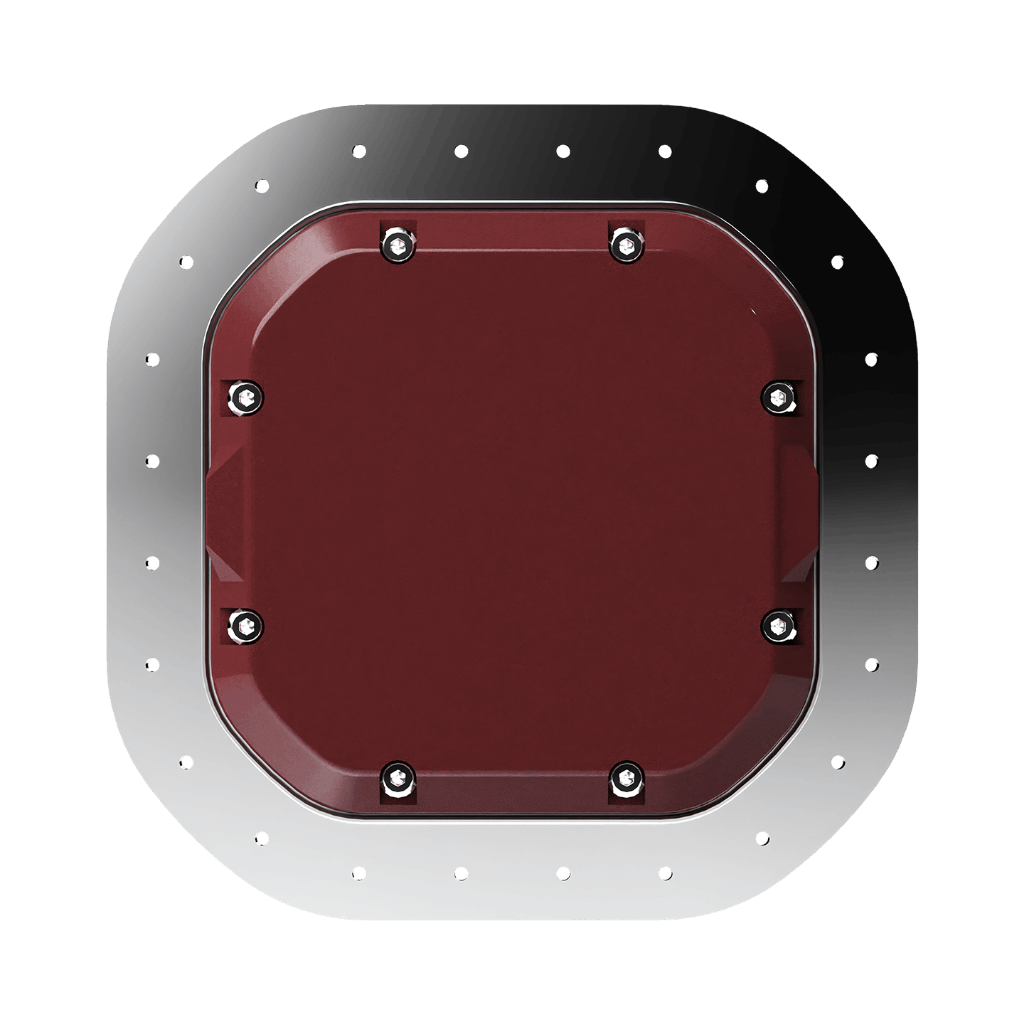
At 150 × 150 × 30 mm, the GNSS All-Bands Launcher Antenna integrates directly onto launcher body panels with a manageable footprint. Its highly stable phase center and circular polarization maintain consistent GNSS signal quality across the full visible sky — ensuring reliable positioning data from the moment the vehicle leaves the pad to final orbit injection, even during the high-dynamic phases of ascent where attitude changes rapidly.
The only all-bands GNSS antenna for launcher platforms
The Anywaves GNSS All-Bands Launcher Antenna is the only antenna on the market providing full multi-constellation GNSS reception — GPS, Galileo, GLONASS, BeiDou — from a single unit specifically designed for launch vehicles. It covers the full 1.16 to 1.61 GHz range with a highly stable phase center, providing the signal diversity and positioning precision required for accurate trajectory management throughout all launch phases.
Derived from the Anywaves GNSS All-Bands Antenna, it is adapted for the extreme thermal and mechanical demands of the launch environment with a dedicated thermal shield in place of the standard satellite radome. At 150 × 150 × 30 mm, it integrates within space-constrained launcher body designs. RHCP polarization, acceptance tests included on flight models. Compatible with the Anywaves Test Hat for GNSS All-Bands Antennas. ITAR Free.

Complete EIDP
At the delivery of your antennas, you will receive a complete EIDP (End Item Data Package) including: RF acceptance test reports, ICD (Interface Control Document), Mechanical envelope, User Manual, Certificate of conformity.

In-Depth Engineering Support
During the full length of your antennas project, you’ll benefit from an in-depth and tailored support from our experienced engineers. They’ll answer all of your questions and ensure that our antennas meet your missions’ needs.

Further Testing Available On Demand
If needed, we can perform additional on-demand tests on your antennas to guarantee their performance in the specific environment and conditions of your spacecraft.

Specific Requests Analysis With Experts
In the case you need additional information and performance results, our experts can conduct complementary analysis based on your requirements (mechanical, thermal, radio-frequency performances on platform etc.).

From the pad to orbit. Every constellation covered.
Tell us about your launcher navigation requirements. Our engineers will help you integrate the GNSS All-Bands Launcher Antenna for maximum signal coverage throughout every phase of flight.
Questions & Answers
-
What is the difference between the GNSS All-Bands Launcher Antenna and the GNSS All-Bands Antenna?
Both products cover the same frequency range (1.16–1.61 GHz, all GNSS constellations) and share the same multi-constellation signal coverage. The key difference is the environmental protection and mechanical design. The standard GNSS All-Bands Antenna is optimised for the satellite environment: it uses a PEEK radome rated for orbital thermal cycling (−120°C to +120°C) and fits within a 1U CubeSat face (99.4 × 99.4 mm). The GNSS All-Bands Launcher Antenna features an additional covering of the PEEK radome by using a dedicated thermal shield designed to withstand the intense heat flux, and has a larger footprint (150 × 150 × 30 mm), thus occupying limited volume on launcher vehicles.
-
Why does a launch vehicle need a dedicated GNSS antenna?
Launch vehicles experience a fundamentally different environment from satellites during flight. At liftoff and during ascent, the antenna must withstand intense mechanical loads (random vibration, acoustic pressure, shock) and heat flux from aerodynamic heating and plume exposure — conditions far more severe than orbital thermal cycling. A standard satellite GNSS antenna, designed for the relatively benign orbital environment, would not survive these loads. The GNSS All-Bands Launcher Antenna addresses these constraints with a dedicated thermal shield while maintaining the full multi-constellation GNSS coverage required for precise trajectory determination from T=0.
-
Does covering all GNSS constellations matter for a launch vehicle?
Yes, for two reasons. First, signal redundancy: if one GNSS constellation is temporarily unavailable due to geometry, signal obstruction by the vehicle body, or a constellation issue, the navigation system can fall back on the remaining constellations without interruption — critical for a launch where navigation errors cannot be corrected in real time. Second, accuracy: using multiple constellations simultaneously increases the number of visible satellites and improves the geometric dilution of precision (GDOP), which directly improves position and velocity accuracy throughout the trajectory.
-
Is the GNSS All-Bands Launcher Antenna compatible with the Anywaves Test Hat for GNSS All-Bands Antennas?
Yes. The antenna is listed as Test Hat compatible on the current product page. The Anywaves Test Hat for GNSS All-Bands Antennas enables RF functional testing across all GNSS bands while the antenna is integrated on the launch vehicle, without requiring demounting. This is particularly valuable for launcher programmes where pre-launch RF verification at the launch site must be performed with the antenna already installed on the vehicle.
-
Can the GNSS All-Bands Launcher Antenna be used for reusable launch vehicles?
Yes. The antenna’s thermal shield is designed to withstand the repeated thermal and mechanical loads of a reusable launcher that faces the launch environment on multiple flights. The Anywaves GNSS All-Bands Launcher Antenna has been selected for the Callisto reusable launcher demonstrator — a joint programme by CNES, DLR and JAXA — alongside the Anywaves S-Band Launcher Antenna. This reference demonstrates the antenna’s suitability for next-generation reusable launch vehicle programmes.
GNSS all-bands launcher antenna: multi-constellation navigation from liftoff to orbit
The Anywaves GNSS All-Bands Launcher Antenna is a TRL 8 navigation antenna specifically designed for launch vehicles, providing simultaneous multi-constellation GNSS reception from 1.16 to 1.61 GHz — GPS L1/L2/L5, Galileo E1/E5a/E5b/E6, GLONASS G1/G2/G3, BeiDou B1/B2a/B2/B3. It is the only all-bands GNSS antenna on the market designed for launcher platforms. Right Hand Circular Polarization. Realized gain above 0 dBi at boresight, above −2 dBi at ±30° and above −6 dBi at ±60°.
Envelope: 150 × 150 × 30 mm. Protected by a dedicated thermal shield for resistance to the heat flux, vibrations and acoustic loads of liftoff and ascent. Derived from the Anywaves GNSS All-Bands Antenna, which covers the same frequency range for satellite applications. Highly stable phase center for precise trajectory navigation. Acceptance tests included on flight models. Compatible with the Anywaves Test Hat for GNSS All-Bands Antennas. ITAR Free. Selected for the Callisto reusable launcher demonstrator (CNES/JAXA/DLR).
