Slotted Waveguide Array Antenna
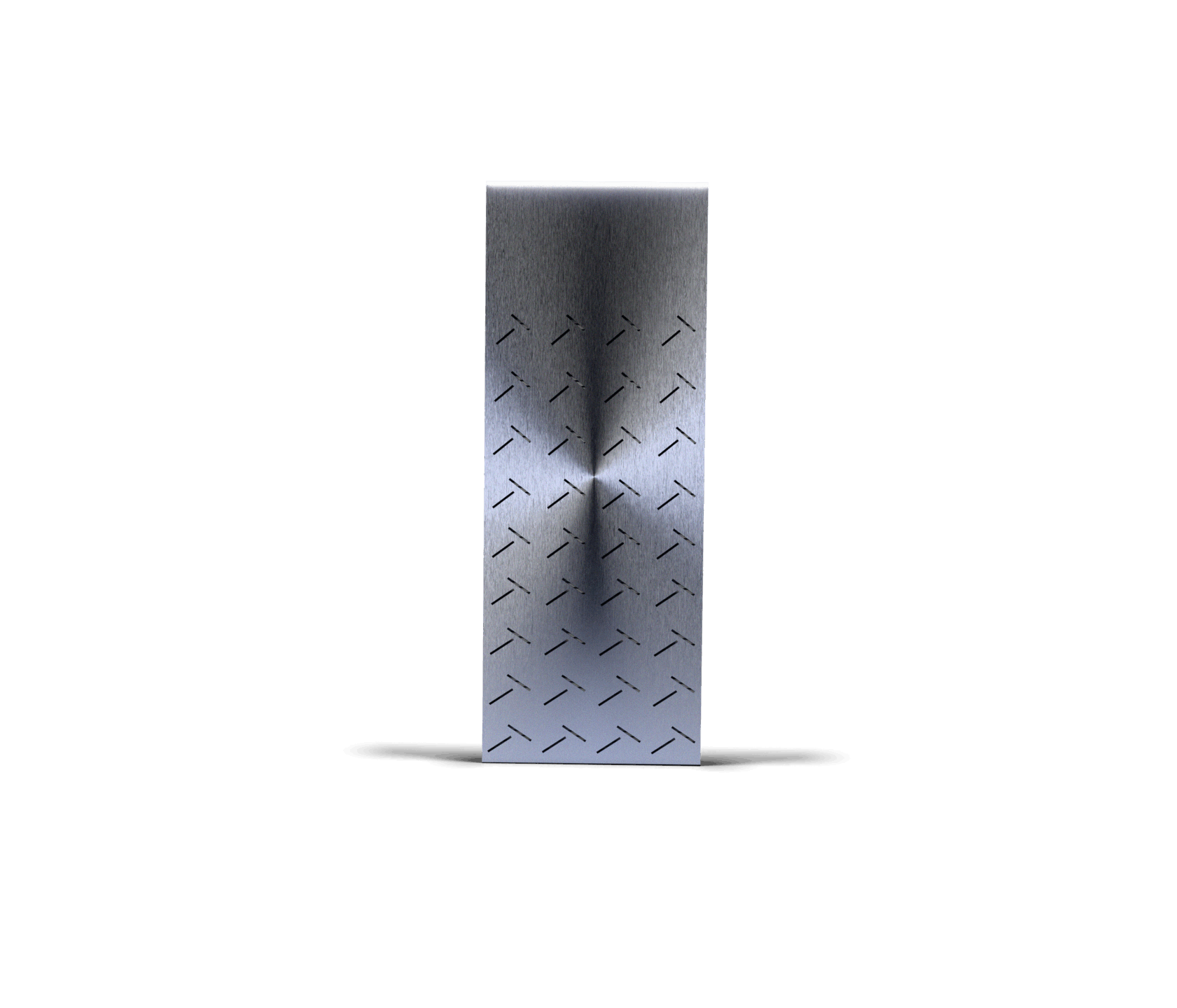
Typical design targets — each antenna is designed to your specifications
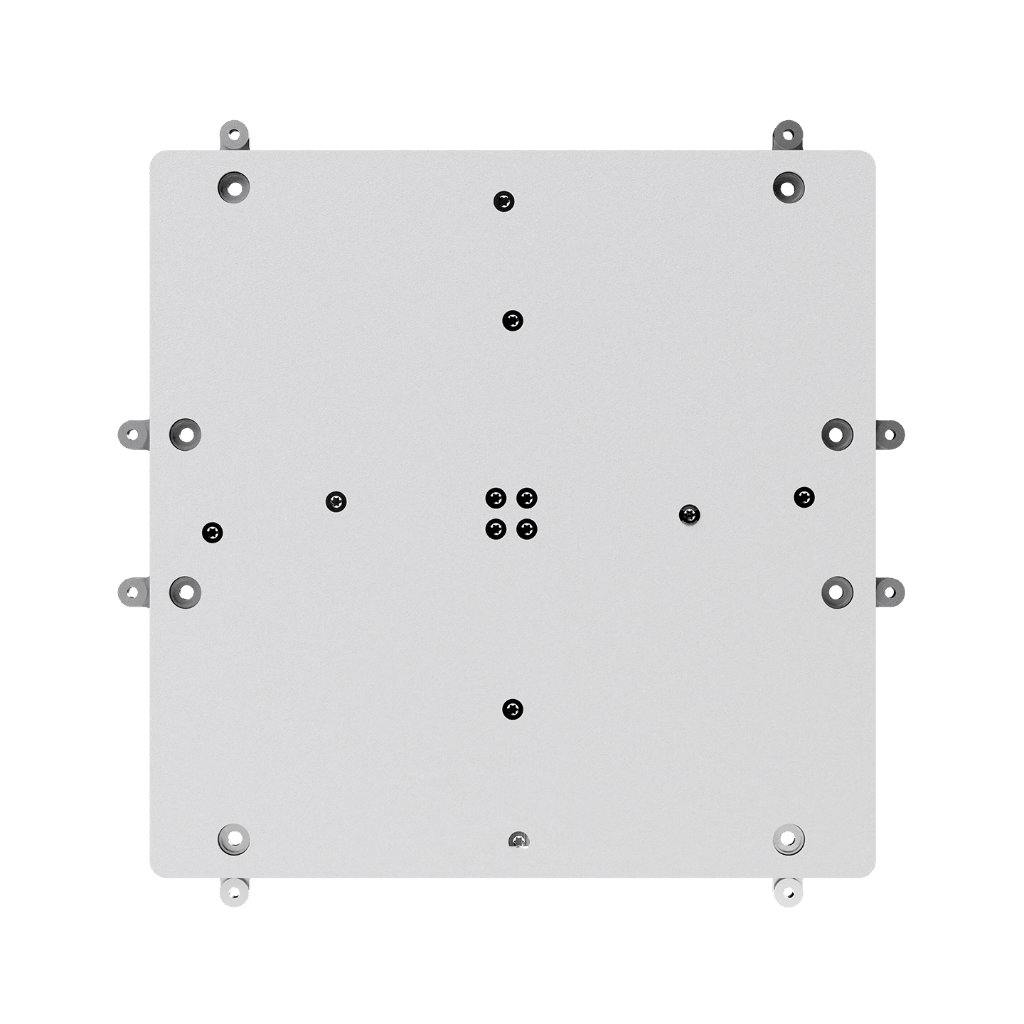
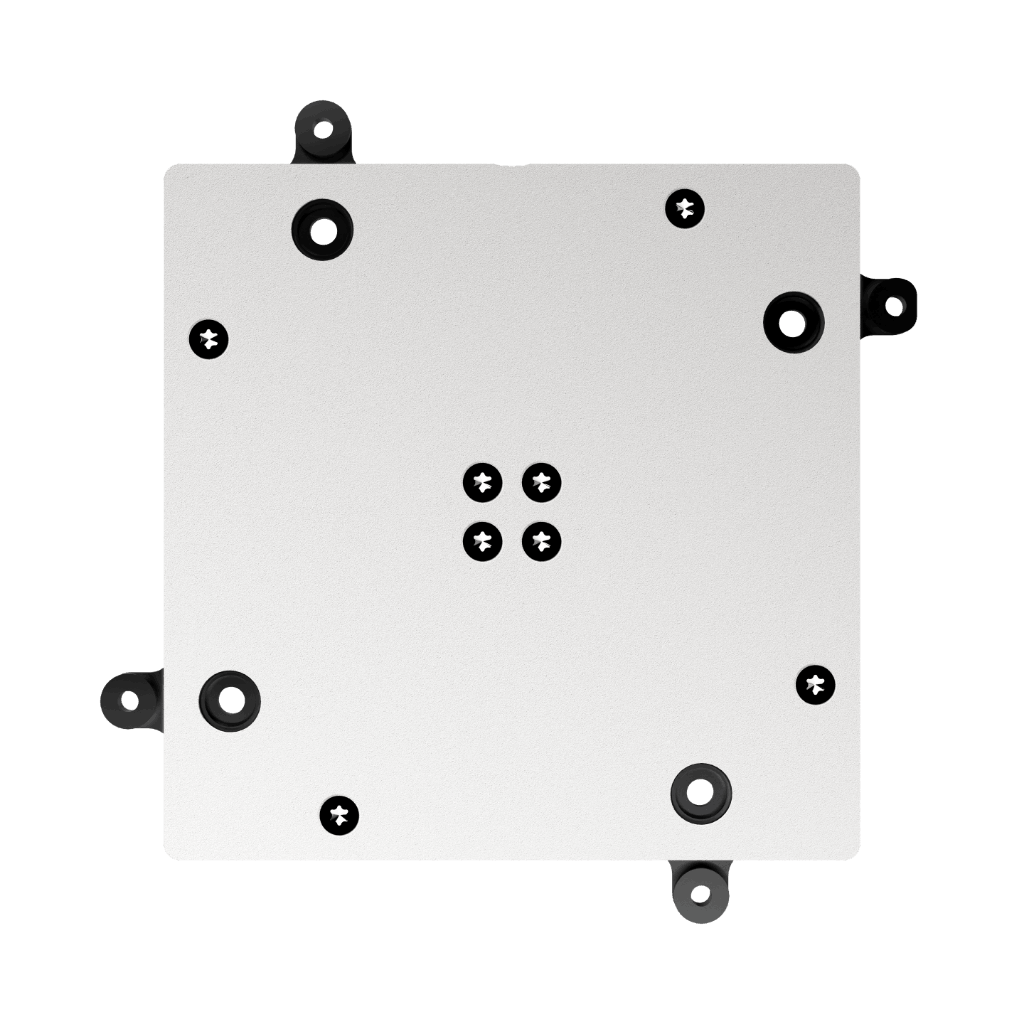
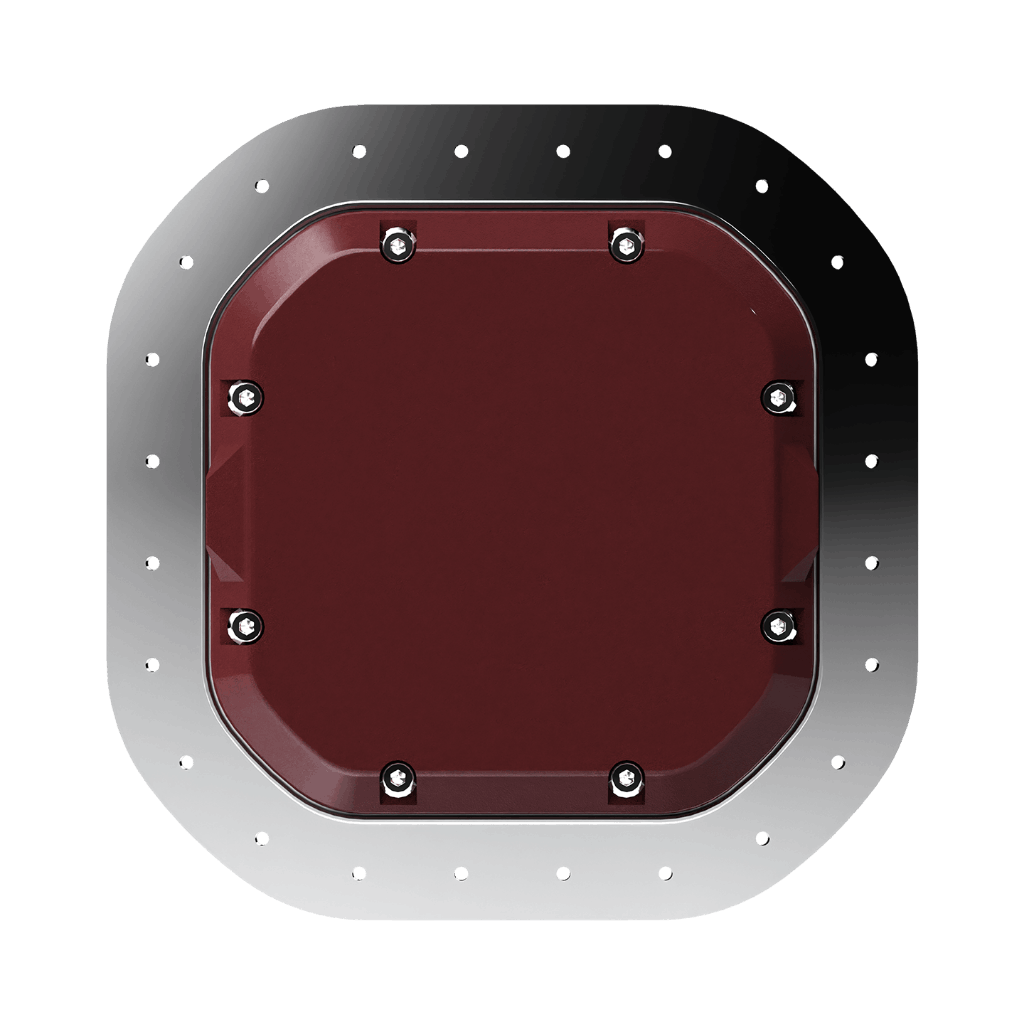
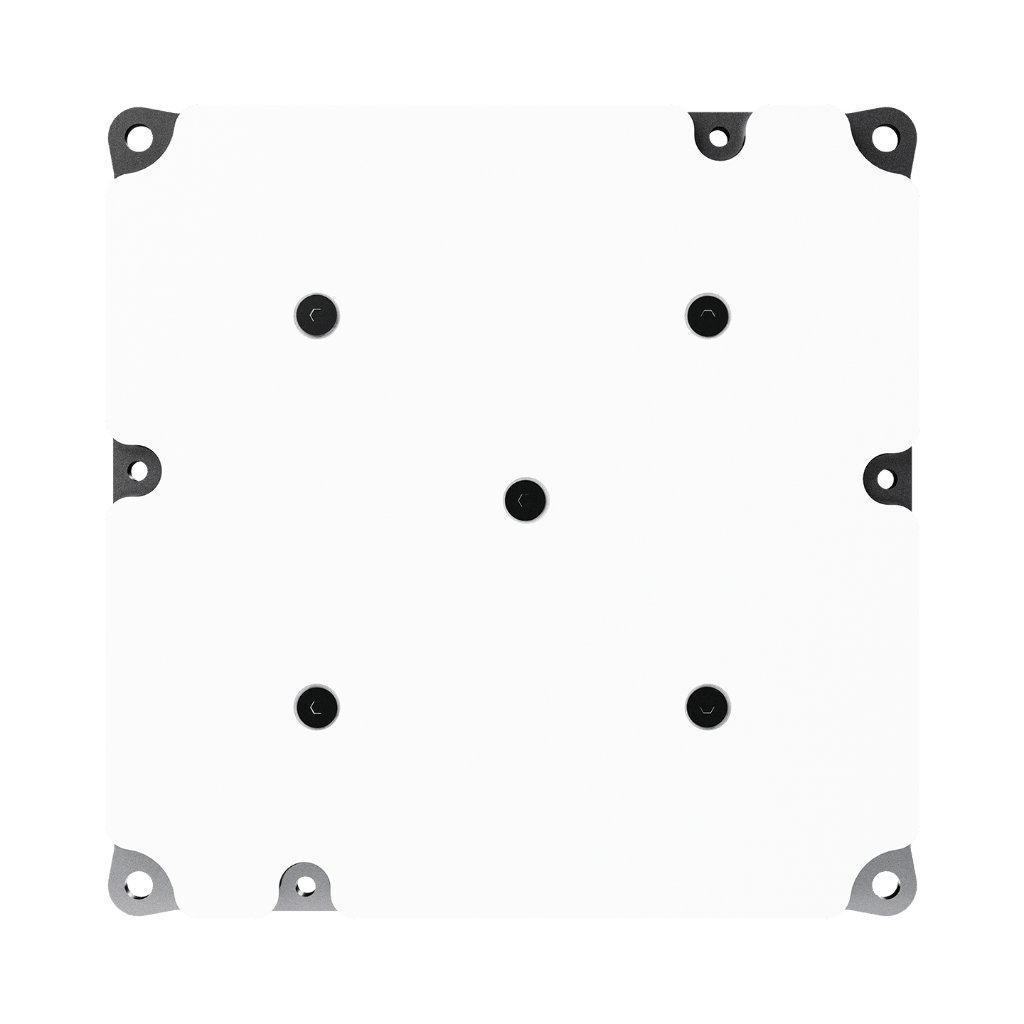
High-gain payload antenna. Full metal. Built for Ku and Ka band.

Hybrid series/parallel feed — high gain with minimal beam squint
Anywaves’ slotted-waveguide array uses a hybrid series/parallel feed architecture designed through electromagnetic dispersion engineering to maximise gain in a given direction while minimising beam angular deflection. This design approach controls the phase velocity of the guided wave across the waveguide network, enabling the antenna to achieve gains above 20 dBi within a fractional bandwidth of approximately 5% in circular polarization — delivering the pointing stability and gain performance required by SAR payloads and inter-satellite link communications.
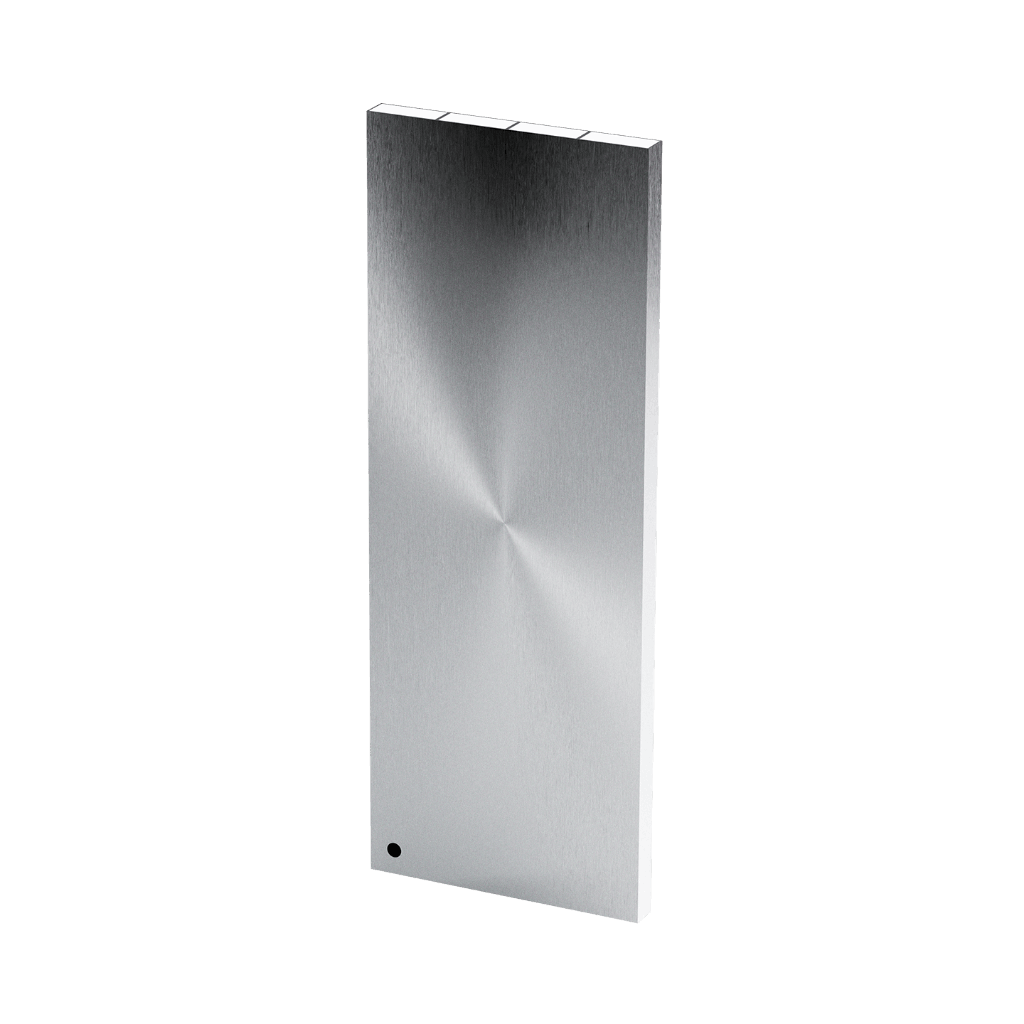
Full-metal structure — ESD-free, thermoelastically robust, ultra-low profile
The Slotted Waveguide Array Antenna is manufactured entirely from space-qualified metal. This full-metal architecture inherently prevents electrostatic discharge (ESD) phenomena — a critical advantage in LEO and GEO environments where ESD events can damage RF components. The all-metal construction also provides exceptional thermoelastic stability: the antenna maintains its geometry and RF performance across the extreme thermal gradients of space without the differential expansion issues that affect hybrid metal/composite structures. Total thickness is less than 10 mm without the connector.
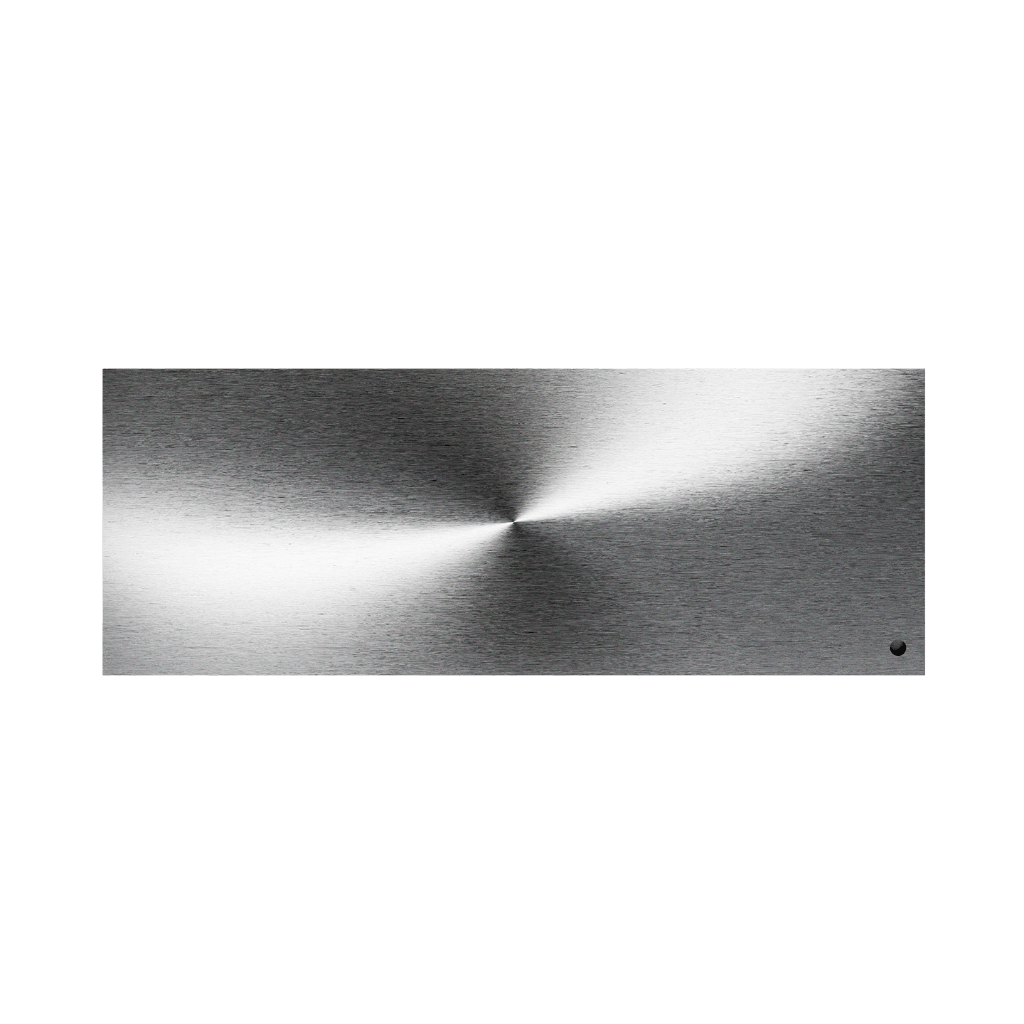
High power handling — no dielectric, no failure mode under RF load
The absence of any dielectric material in the antenna’s RF path — a direct consequence of its full-metal waveguide construction — removes the dominant failure mode for high-power antennas: multipaction and thermal degradation of dielectric substrates under high RF power density. This makes the Slotted Waveguide Array Antenna inherently suitable for high-power payload applications, including synthetic aperture radar transmit functions and high-data-rate ISL downlinks, without the power derating constraints of patch-based alternatives.
Custom high-gain payload antenna for SAR, ISL and Ku/Ka-band missions
The Anywaves Slotted Waveguide Array Antenna is a custom-designed, high-gain flat antenna solution for satellite payload applications requiring gains above 20 dBi in the Ku or Ka band. Built from a full-metal structure through a hybrid series/parallel waveguide feed, it is optimised for SAR payloads, inter-satellite link communications and high-data-rate downlinks — applications where gain, beam stability, high power handling and structural robustness are the defining requirements.
Its full-metal construction makes it ESD-free, thermoelastically robust, and capable of handling high RF power levels without dielectric degradation. With a profile thickness below 10 mm, it imposes a minimal volume impact on the platform. Available in LHCP or RHCP. All parameters — frequency, gain, footprint, beam characteristics — are defined jointly with the customer and tailored to each mission. ITAR Free.

Requirement Definition
At Anywaves, we specialise in delivering custom-made antennas tailored to meet your unique requirements. Our expertise allows us to understand your specific needs and translate them into antenna specifications. We work closely with you to identify key parameters such as frequency bands, gain, beamwidth, mechanical constraints, and environmental considerations. Our team of experienced engineers collaborates with you throughout the process, ensuring that the antenna design aligns precisely with your application’s demands.

Project Management
Our experienced space project managers are skilled in coordinating all aspects of your custom-made antenna project, from initial concept to final delivery. With meticulous planning, effective communication, and diligent resource allocation, we ensure that your project stays on track through key milestones (PDR, CDR, TRR, TRB…). Our project management expertise enables us to navigate complex challenges, mitigate risks, and provide you with regular updates on project progress.

Technical Expertise
Our team of skilled engineers has extensive experience in antenna design and development, as well as in the space and defence industries. We leverage the latest tools and technologies to develop innovative antenna solutions that meet even the most complex challenges. With our technical expertise, we optimise key parameters such as gain, bandwidth, radiation pattern, and impedance matching to deliver antennas that excel in your specific application, following an extensive testing process to mitigate risks throughout the project.

Extensive Documentation
In addition to our standard EIDP package, we deliver throughout the project all the design justification you may need: RF, mechanical, thermal and radiation analyses; test plans; test reports. We make sure to deliver documentation that adds value to your project and guarantees that your antenna is compliant with your requirements.
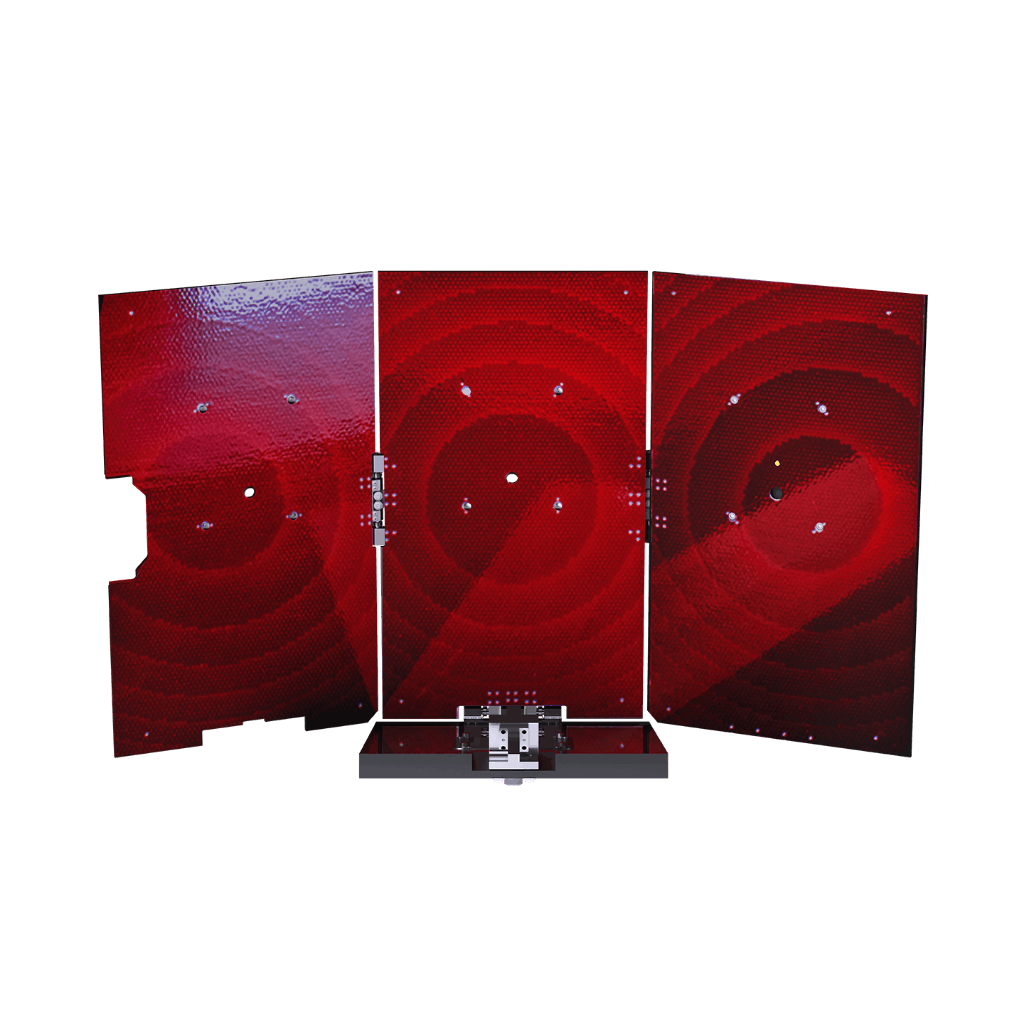

Tell us what your payload needs. We’ll design the antenna.
Share your frequency band, gain target and platform constraints. Our RF engineers will design a slotted waveguide array antenna to match your mission requirements precisely.
Questions & Answers
-
What applications is the Slotted Waveguide Array Antenna designed for?
The Anywaves Slotted Waveguide Array Antenna is designed for satellite payload applications that require high gain (above 20 dBi) with high power handling, low profile and structural robustness. Primary applications include synthetic aperture radar (SAR) payloads, where the antenna must transmit and receive high-power radar pulses with precise beam control; inter-satellite link (ISL) communications, where the narrow beam and gain maintain link budget across long distances; and high-data-rate downlinks in Ku or Ka band, where gain directly determines achievable throughput. It is a custom product: the exact frequency, gain, footprint and beam characteristics are defined jointly with the customer for each mission.
-
What does ‘full-metal’ mean and why does it matter for a payload antenna?
A full-metal antenna is one where the entire RF-carrying structure — the waveguides, the radiating slots, the feed network — is made exclusively from metal, without any dielectric substrate (PCB laminate, ceramic, or similar). This has three significant consequences for payload applications. First, it eliminates ESD: metal structures cannot accumulate electrostatic charge in the way that dielectric surfaces can, which is critical in the harsh plasma environments of LEO and GEO orbits. Second, it provides thermoelastic robustness: metal expands and contracts uniformly, so the antenna maintains its shape and RF performance across the extreme thermal cycles of space without differential expansion stresses. Third, it enables high power handling: the absence of dielectric material removes the primary failure mode for high-power antennas (multipaction and dielectric thermal degradation), allowing the antenna to handle the power levels required by SAR transmit functions without derating.
-
What does ‘fractional bandwidth of 5%’ mean in practice?
Fractional bandwidth is the ratio of the antenna’s usable bandwidth to its centre frequency, expressed as a percentage. A 5% fractional bandwidth at Ka band (approximately 30 GHz centre) corresponds to an absolute bandwidth of about 1.5 GHz. At Ku band (approximately 12 GHz), it corresponds to about 600 MHz. This bandwidth is sufficient for the majority of SAR and ISL applications, which typically require a few hundred MHz to a few GHz depending on the waveform and data rate. If a wider bandwidth is required for a specific mission, Anywaves engineers can discuss alternative design options.
-
How long does it take to develop a custom Slotted Waveguide Array Antenna?
Development timelines for custom payload antennas depend on the complexity of the requirements, the target TRL level, and the testing scope agreed with the customer. A typical development programme follows standard space hardware milestones: Preliminary Design Review (PDR), Critical Design Review (CDR), Test Readiness Review (TRR) and Test Review Board (TRB). Anywaves’ project managers and engineers work with the customer from the initial requirements definition through to delivery of the qualified flight hardware. Contact us with your programme timeline and requirements to discuss what is achievable.
-
How does the Slotted Waveguide Array Antenna compare to the Reflectarray Antenna?
Both products are custom-designed high-gain flat antenna solutions for Ku/Ka-band payload applications, but they differ in architecture and trade-offs. The Slotted Waveguide Array is a full-metal active aperture: it radiates directly from slots cut into the waveguide walls, with no separate reflector. This gives it high power handling, ESD immunity and a very low profile (below 10 mm). The Reflectarray uses a planar array of passive phase-shifting elements illuminated by a feed horn, which can achieve very high gain over a large aperture more easily but typically involves a larger overall volume and different thermal behaviour. The right choice depends on the mission’s gain requirement, power level, available volume and deployment scenario. Anywaves engineers can guide the trade-off based on your specific requirements.
Slotted waveguide array antenna: custom high-gain payload for SAR and Ka-band missions
Anywaves’ Slotted Waveguide Array Antenna is a custom-designed, high-gain flat antenna solution for satellite payload applications in Ku and Ka band. Based on a hybrid series/parallel waveguide feed architecture engineered through electromagnetic dispersion analysis, it achieves gains above 20 dBi within a fractional bandwidth of approximately 5% in circular polarization (LHCP or RHCP). Designed for synthetic aperture radar (SAR) payloads, inter-satellite link (ISL) communications and high-data-rate downlinks.
The antenna’s full-metal construction — using exclusively space-qualified metals with no dielectric material in the RF path — provides intrinsic ESD protection, thermoelastic robustness across the extreme thermal gradients of space, and high RF power handling without dielectric degradation. Profile thickness is less than 10 mm without the connector. All parameters (frequency, gain, footprint, beam characteristics, mechanical interface) are defined jointly with the customer and tailored to each mission programme. Qualification campaign includes mechanical vibrations, shocks and thermal vacuum cycling. TRL 5. ITAR Free.
