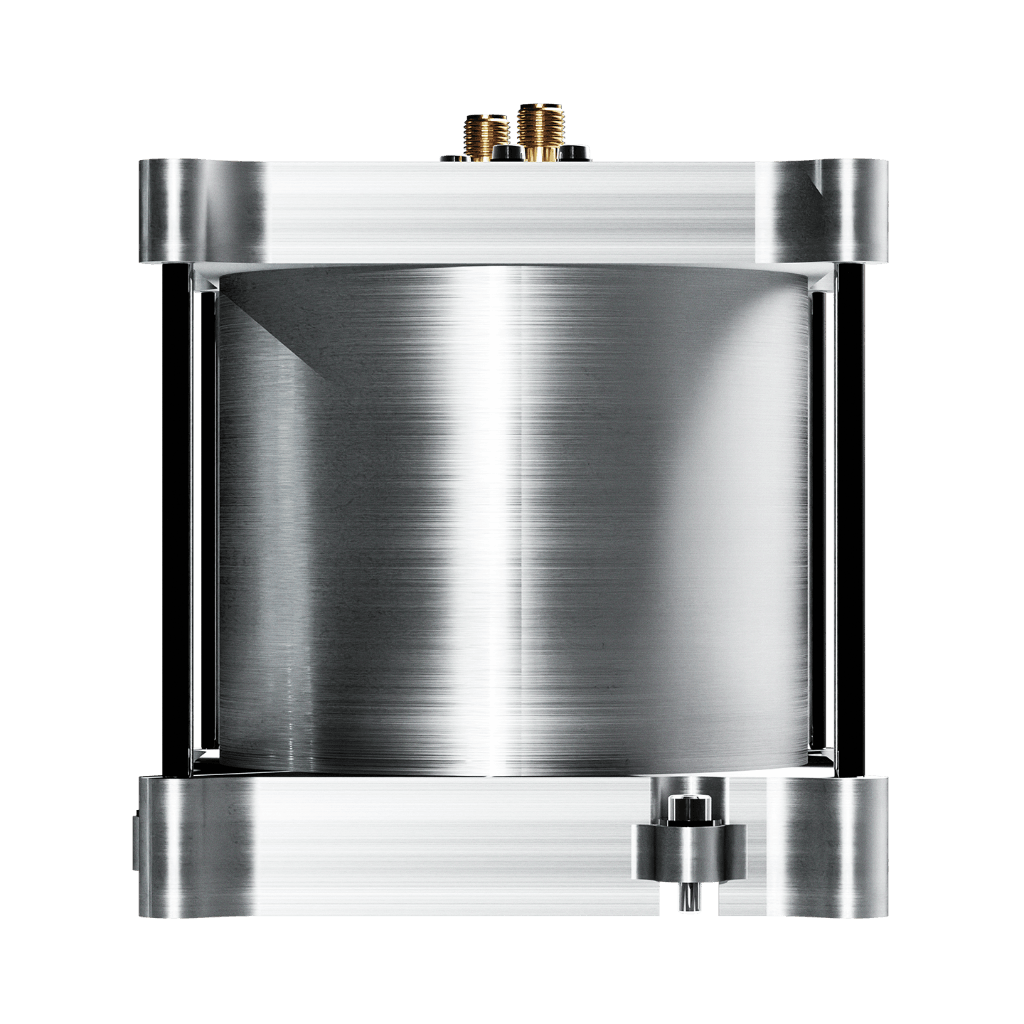
Wide Beam X-Band Antenna
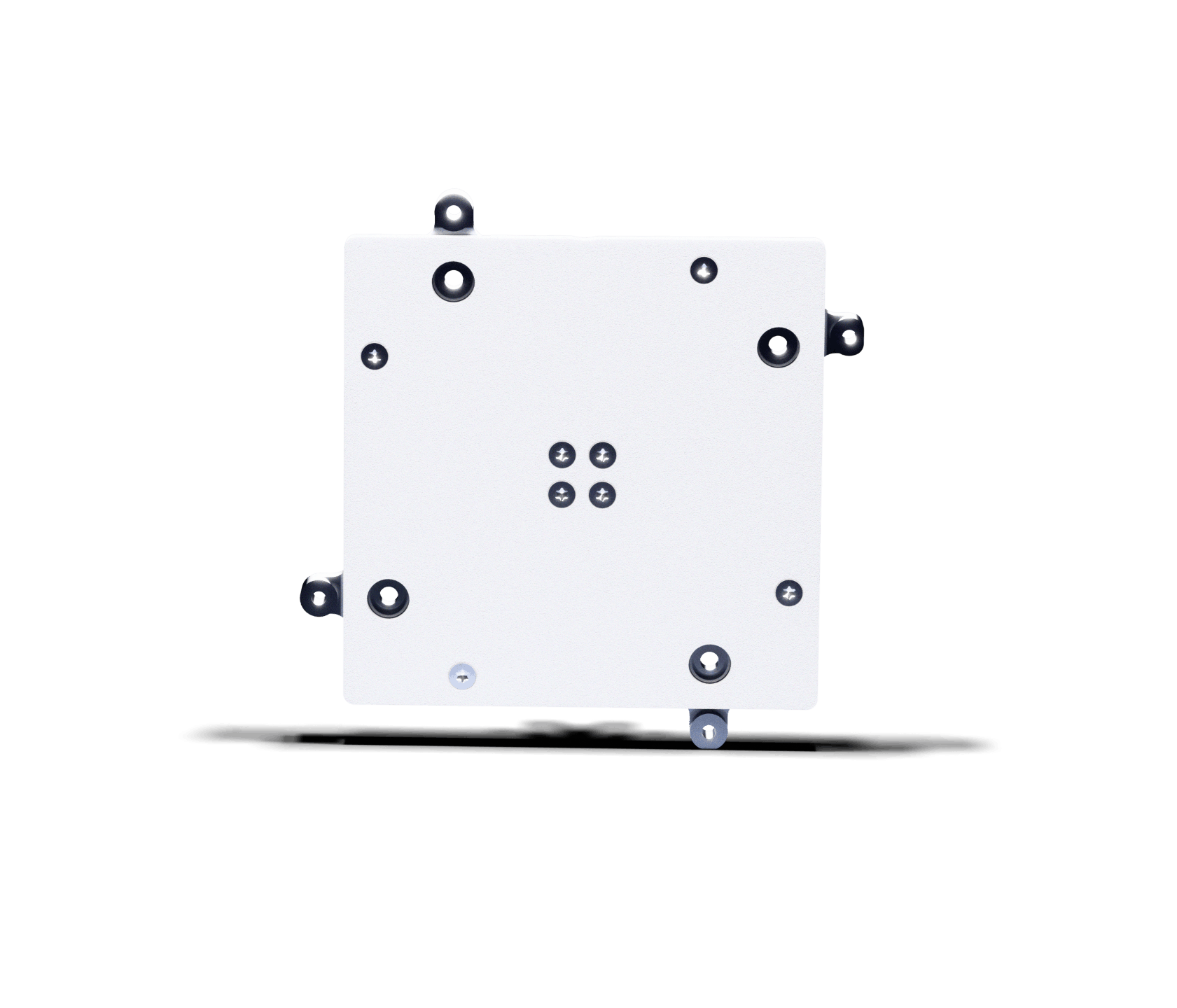
Technical specifications
> 4.0 dBi @ ±30°
> −1.0 dBi @ ±60°
Wide coverage. Reliable downlink. No pointing constraint.
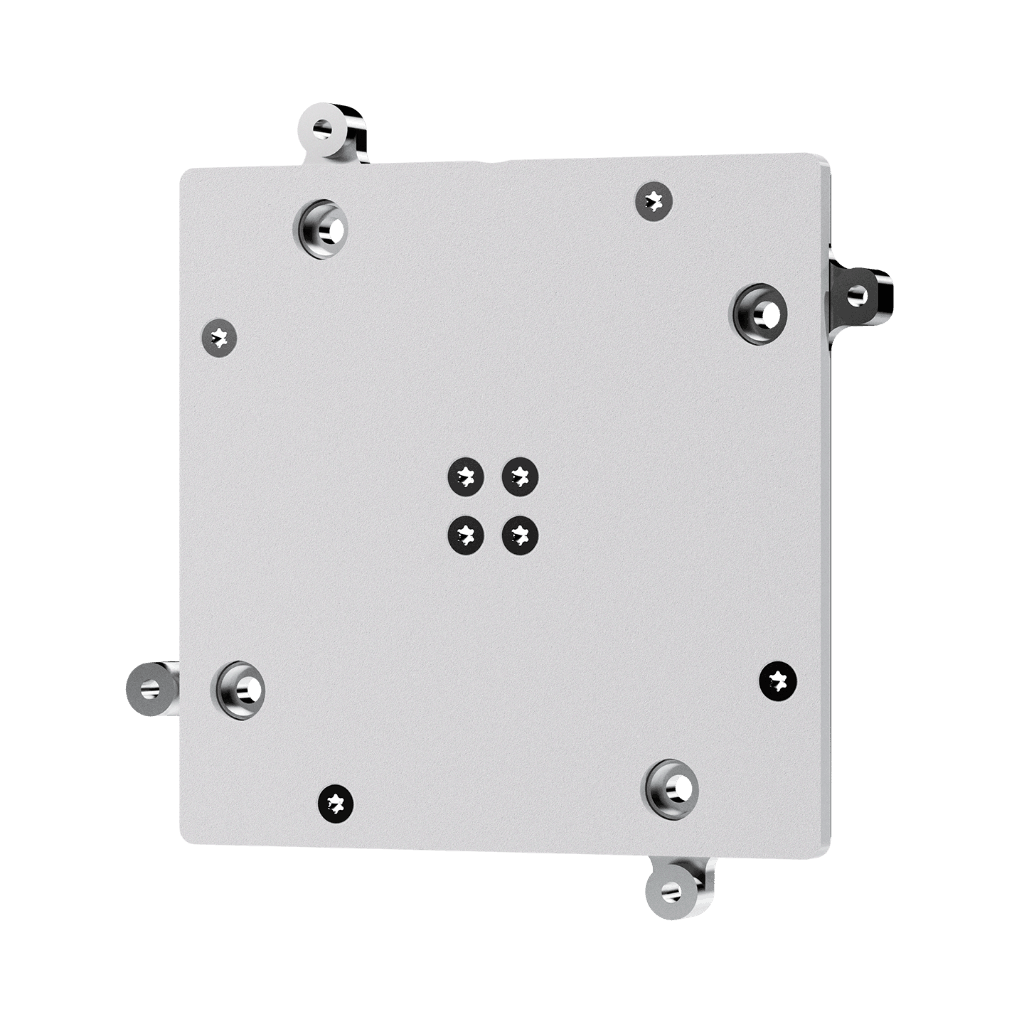
~86° HPBW — hemispherical coverage for any ground track
With a Half Power Beam Width of approximately 86° (−47° to +39° in all planes), the Wide Beam X-Band Antenna maintains positive gain above −1 dBi across a ±60° cone, enabling robust X-Band downlink even during passes with moderate off-boresight angles. This wider field of view makes it the right choice for platforms with limited attitude control accuracy, or for missions that prioritise reliable downlink availability over peak data rate.
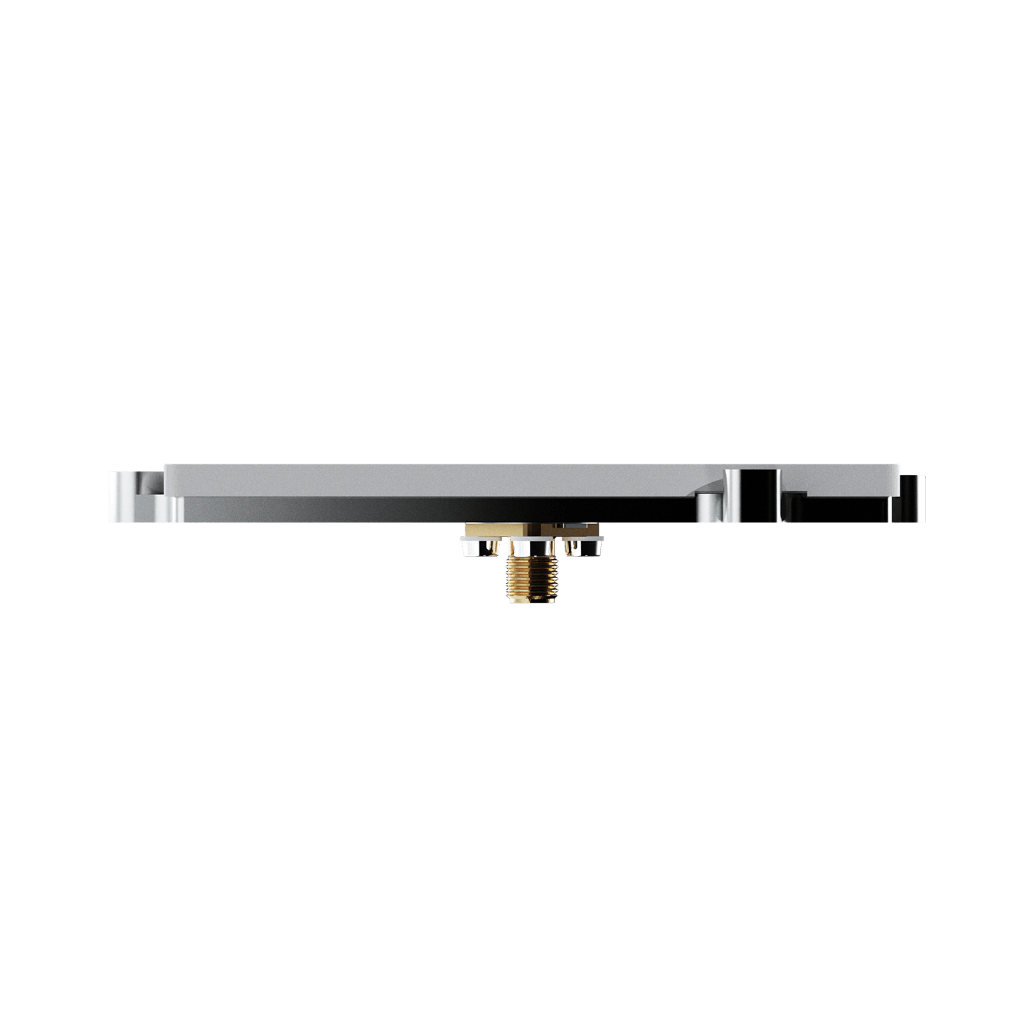
6.5 mm profile — same footprint as the Compact X-Band
The Wide Beam X-Band Antenna shares the same 100 × 100 mm footprint and 16.2 mm envelope height as the Compact X-Band Antenna, making both products interchangeable at the mechanical interface level. At approximately 68 g, it imposes a minimal mass budget impact and fits within any 1U CubeSat face, while offering a fundamentally different beam pattern suited to a distinct mission profile.
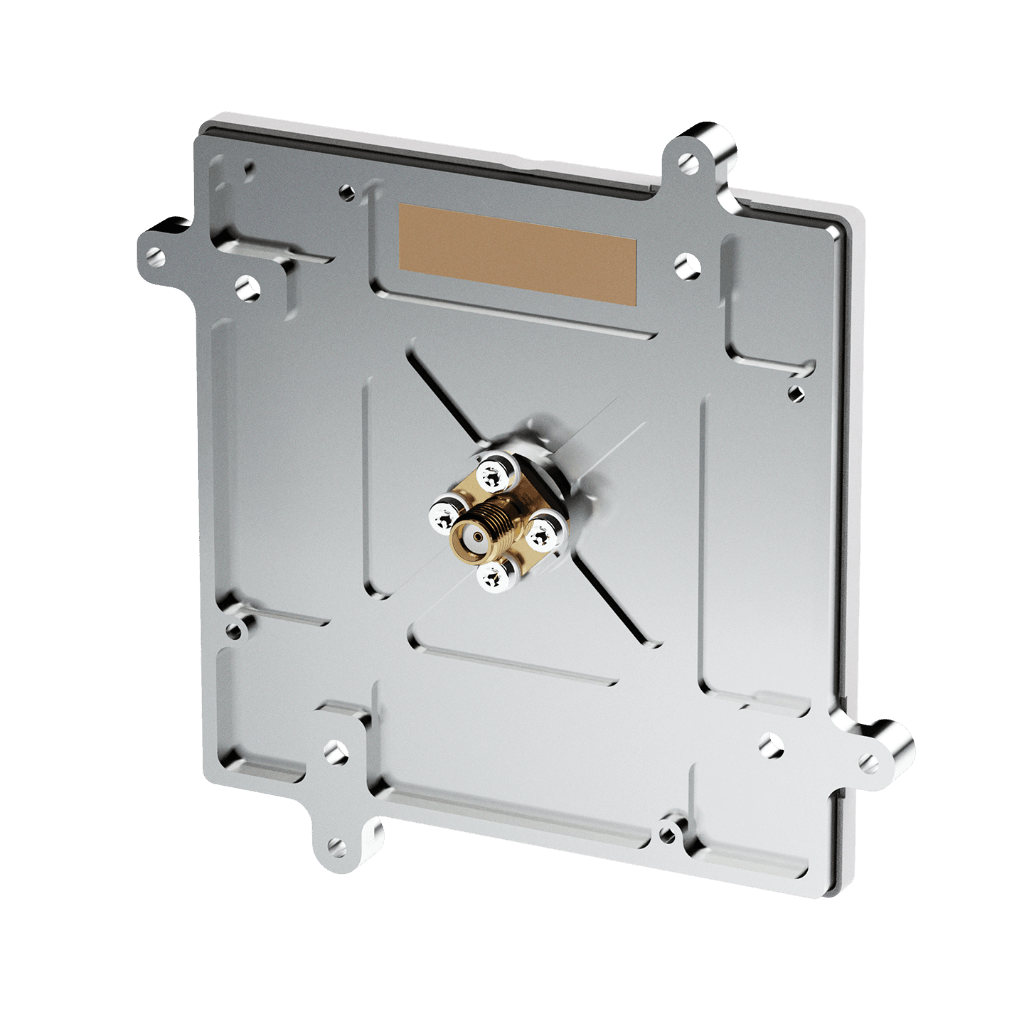
PEEK radome — thermal and ESD protection included
Like all Anywaves X-Band antennas, the Wide Beam model is protected by a PEEK radome coated with SG121FD qualified white paint on flight models, providing resistance to thermal extremes (−120°C to +120°C qualification range) and electrostatic discharges. The radome preserves the antenna’s radiation pattern stability across the full field of view, including at wide elevation angles where ESD protection is most critical for polar orbits.
X-Band data downlink with wider coverage, less pointing constraint
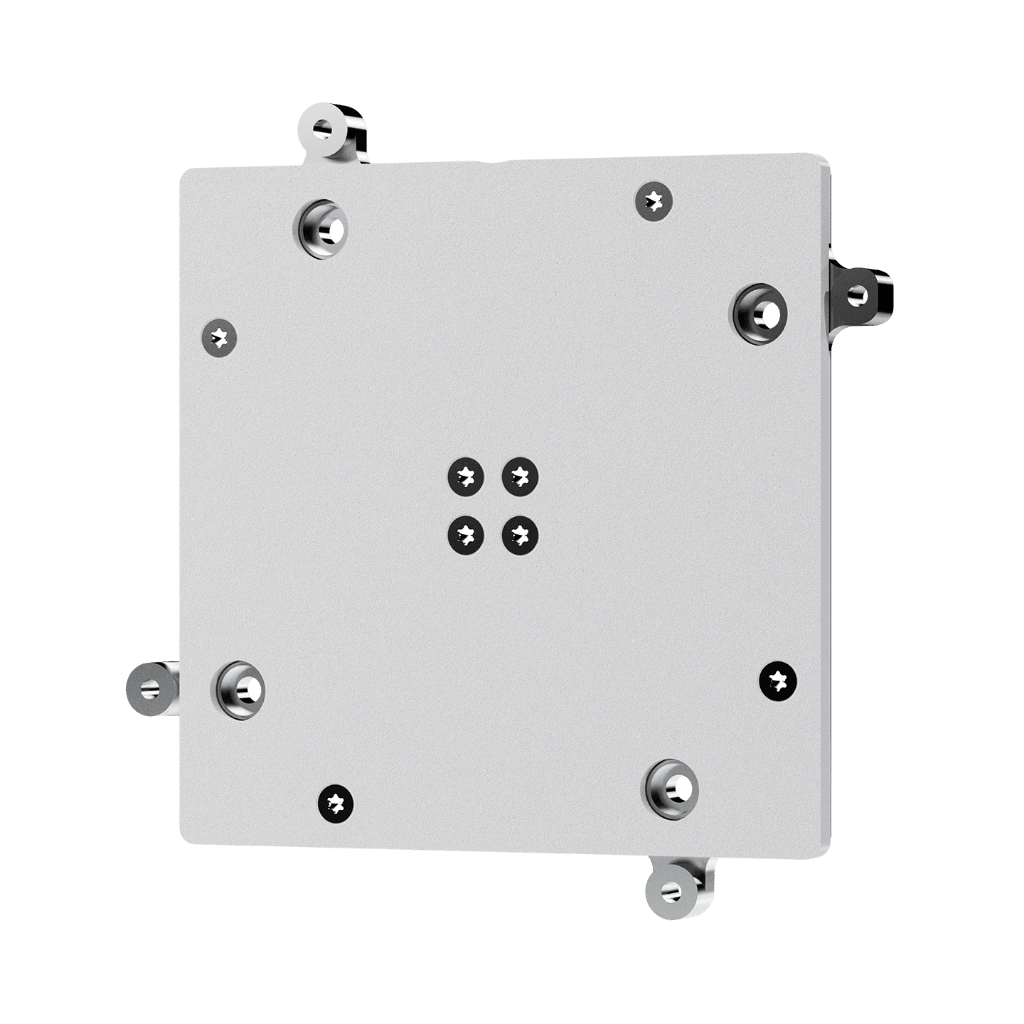
The Anywaves Wide Beam X-Band Antenna provides payload telemetry downlink across a wider field of view than the Compact X-Band Antenna. Operating from 8.025 to 8.4 GHz with a Half Power Beam Width of approximately 86°, it maintains a gain above −1 dBi across a ±60° cone — ensuring reliable downlink performance even at significant off-boresight angles during LEO passes. It is the right choice for platforms that cannot guarantee precise nadir or ground-station pointing at all times.
At 100 × 100 mm and approximately 68 g, it fits within a 1U CubeSat face and is mechanically interchangeable with the Compact X-Band Antenna at the panel interface level. Available in LHCP or RHCP, protected by a PEEK radome with anti-ESD coating, compatible with the Anywaves Test Hat for X-Band Antennas, and supplied with full acceptance testing on flight models. ITAR Free.

Complete EIDP
At the delivery of your antennas, you will receive a complete EIDP (End Item Data Package) including: RF acceptance test reports, ICD (Interface Control Document), Mechanical envelope, User Manual, Certificate of conformity.

In-Depth Engineering Support
During the full length of your antennas project, you’ll benefit from an in-depth and tailored support from our experienced engineers. They’ll answer all of your questions and ensure that our antennas meet your missions’ needs.

Further Testing Available On Demand
If needed, we can perform additional on-demand tests on your antennas to guarantee their performance in the specific environment and conditions of your spacecraft.

Specific Requests Analysis With Experts
In the case you need additional information and performance results, our experts can conduct complementary analysis based on your requirements (mechanical, thermal, radio-frequency performances on platform etc.).
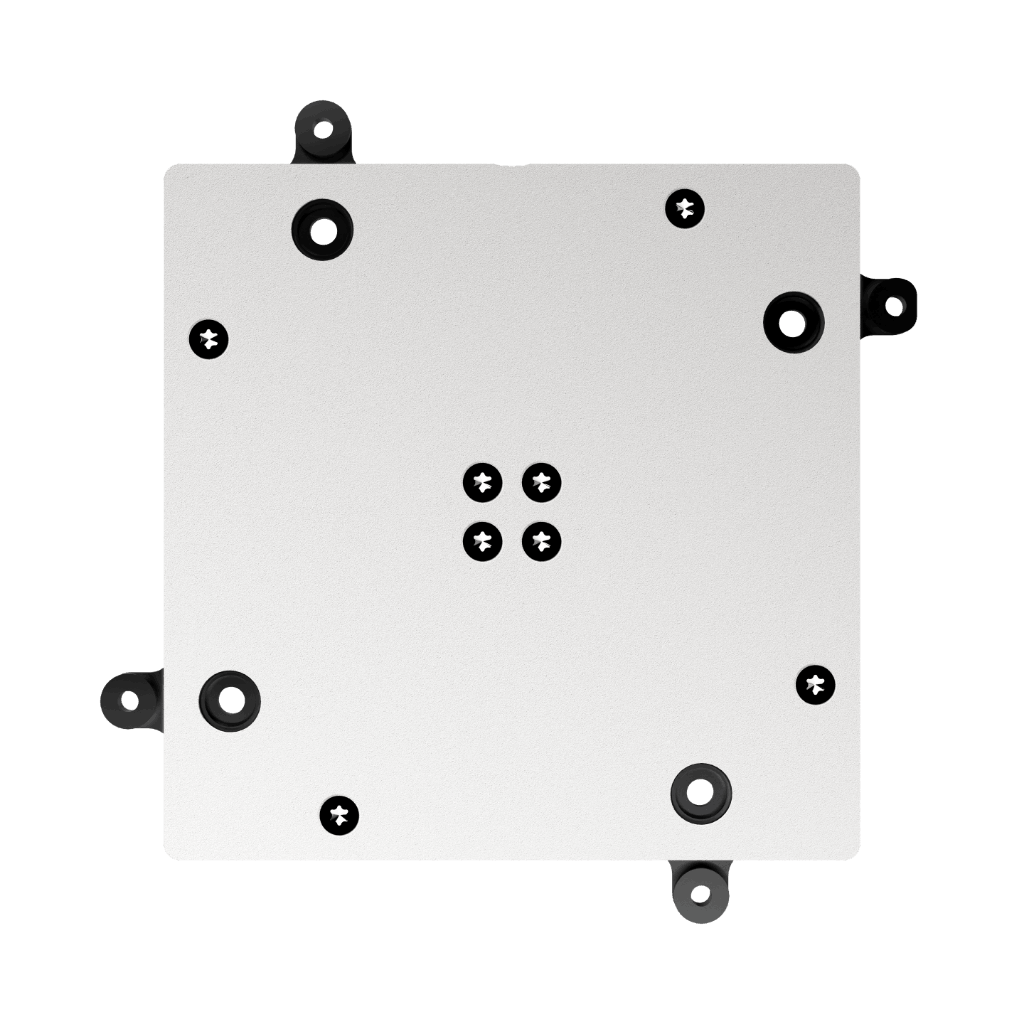
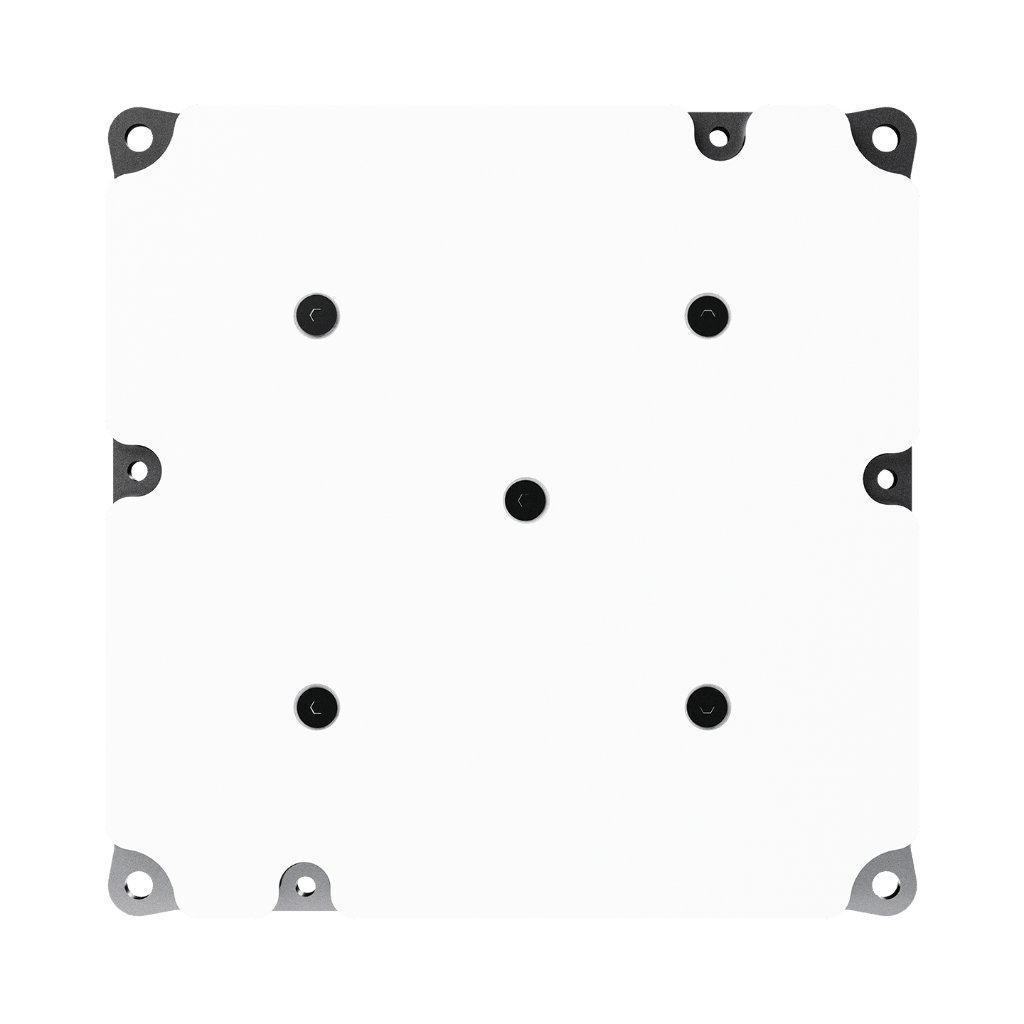
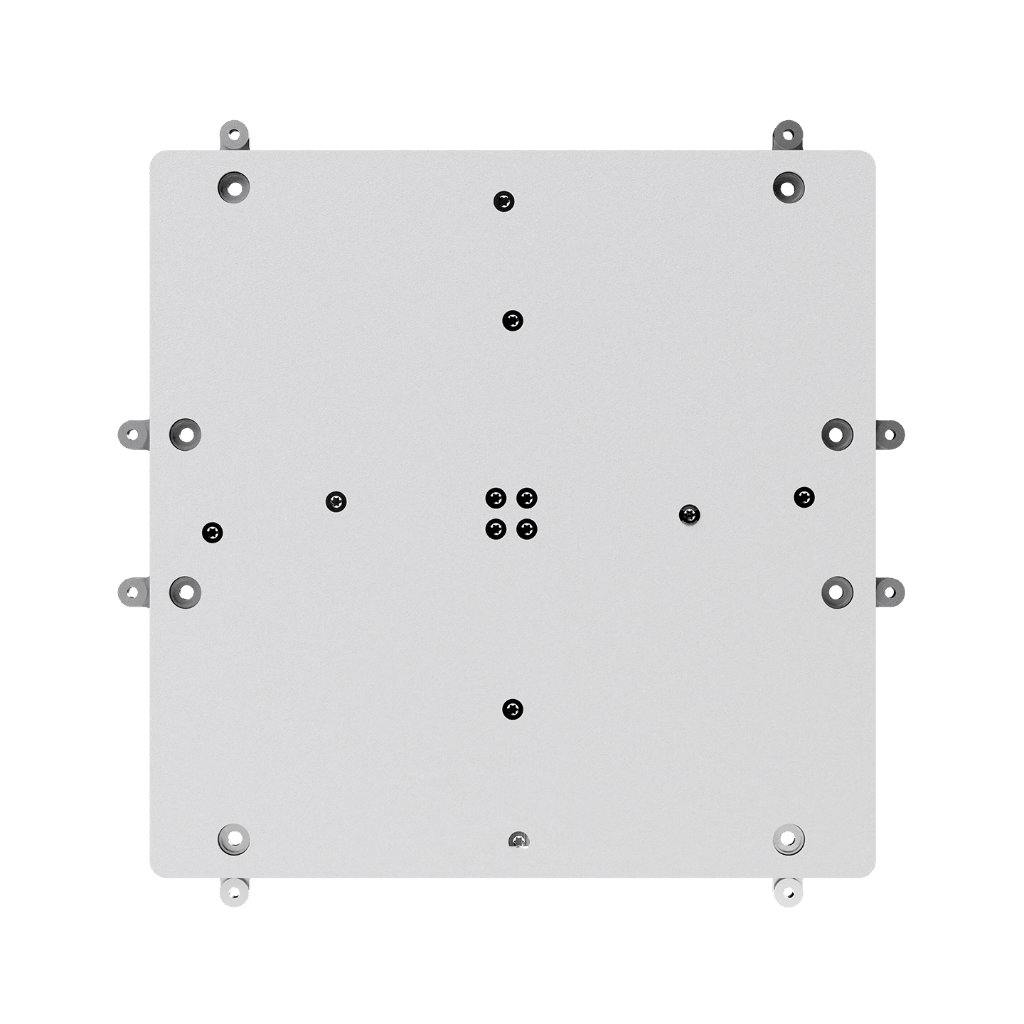

Wider coverage. Simpler integration. X-Band reliability.
Tell us about your platform and mission profile. Our engineers will help you choose the most relevant X-Band downlink antenna for your specific requirements.
Questions & Answers
-
What is the difference between the Wide Beam X-Band Antenna and the Compact X-Band Antenna?
Both antennas share the same 100 × 100 mm footprint and 16.2 mm envelope height, and are mechanically interchangeable at the panel interface level. The key difference is the radiation pattern. The Compact X-Band Antenna has a directive narrow beam (HPBW ~20°, gain 15.5 dBi) optimised for maximum data rate during a well-pointed pass. The Wide Beam X-Band Antenna trades peak gain (5.0 dBi at boresight) for much wider beam coverage (HPBW ~86°), maintaining positive gain above −1 dBi across a ±60° cone. The right choice depends on your platform’s attitude control capability and whether you prioritise peak throughput or downlink availability.
-
When should I choose the Wide Beam over the Compact X-Band Antenna?
The Wide Beam X-Band Antenna is the better choice when your platform cannot reliably point its X-Band antenna towards the ground station during a pass — for example, if your ADCS has limited pointing accuracy, if the satellite is tumbling or in a detumbling phase, or if your mission design calls for X-Band downlink without a dedicated pointing manoeuvre. It is also a good fit for missions that prioritise link availability over peak data rate. If your platform can maintain accurate pointing and maximising data volume per pass is the priority, the Compact X-Band Antenna (15.5 dBi) is the better choice.
-
Can I use the Wide Beam X-Band Antenna for telemetry and command in addition to payload downlink?
The Wide Beam X-Band Antenna operates from 8.025 to 8.4 GHz, which covers the X-Band payload downlink allocations but not the S-Band TT&C frequencies used for standard satellite telemetry and command. For TT&C, Anywaves offers dedicated S-Band antennas (S-Band TT&C Antenna, Compact S-Band TT&C Antenna). The Wide Beam X-Band Antenna is specifically designed for the X-Band payload data downlink subsystem.
-
What is the Half Power Beam Width and how does it affect my link budget?
The Half Power Beam Width (HPBW) is the angular range over which the antenna gain stays above half its peak value (i.e. within 3 dB of boresight). For the Wide Beam X-Band Antenna, the HPBW is approximately 86° (−47° to +39° in all planes at 8.2 GHz). This means that for pointing errors within roughly ±43° of boresight, the antenna gain remains within 3 dB of its 5.0 dBi peak. The resulting link margin for your mission depends on your orbit altitude, ground station size and the achievable data rate at minimum gain — contact our engineers for a tailored link budget assessment.
-
Is the Wide Beam X-Band Antenna compatible with the Anywaves Test Hat?
Yes. The Wide Beam X-Band Antenna is fully compatible with the Anywaves Test Hat for X-Band Antennas, allowing RF functional testing while the antenna is integrated on the spacecraft. Both the Wide Beam and Compact X-Band antennas share the same mechanical interface and are compatible with the same test hat, simplifying test processes for programmes using multiple X-Band antenna types.
Wide Beam X-Band antenna: hemispherical coverage for LEO payload data downlink
The Anywaves Wide Beam X-Band Antenna is a TRL 8 payload telemetry antenna for LEO satellites, providing wide-coverage X-Band data downlink from 8.025 to 8.4 GHz (375 MHz bandwidth). With a Half Power Beam Width of approximately 86° and a realized gain above 5.0 dBi at boresight, above 4.0 dBi at ±30° and above −1.0 dBi at ±60°, it maintains positive X-Band gain across a wide field of view — enabling reliable payload data downlink even on platforms with limited attitude control accuracy.
The antenna shares the same 100 × 100 mm footprint and 16.2 mm envelope height as the Compact X-Band Antenna, making the two products mechanically interchangeable. Available in LHCP or RHCP. Mass approximately 67.5 g. Protected by a PEEK radome (SG121FD white paint on flight models) for thermal resistance (−120°C to +120°C qualification range) and electrostatic discharge protection. 20 W power handling. Acceptance testing (RF, mechanical and thermal) included on all flight models. Compatible with the Anywaves Test Hat for X-Band Antennas. ITAR Free.
