Low-Noise Block-Downconverter
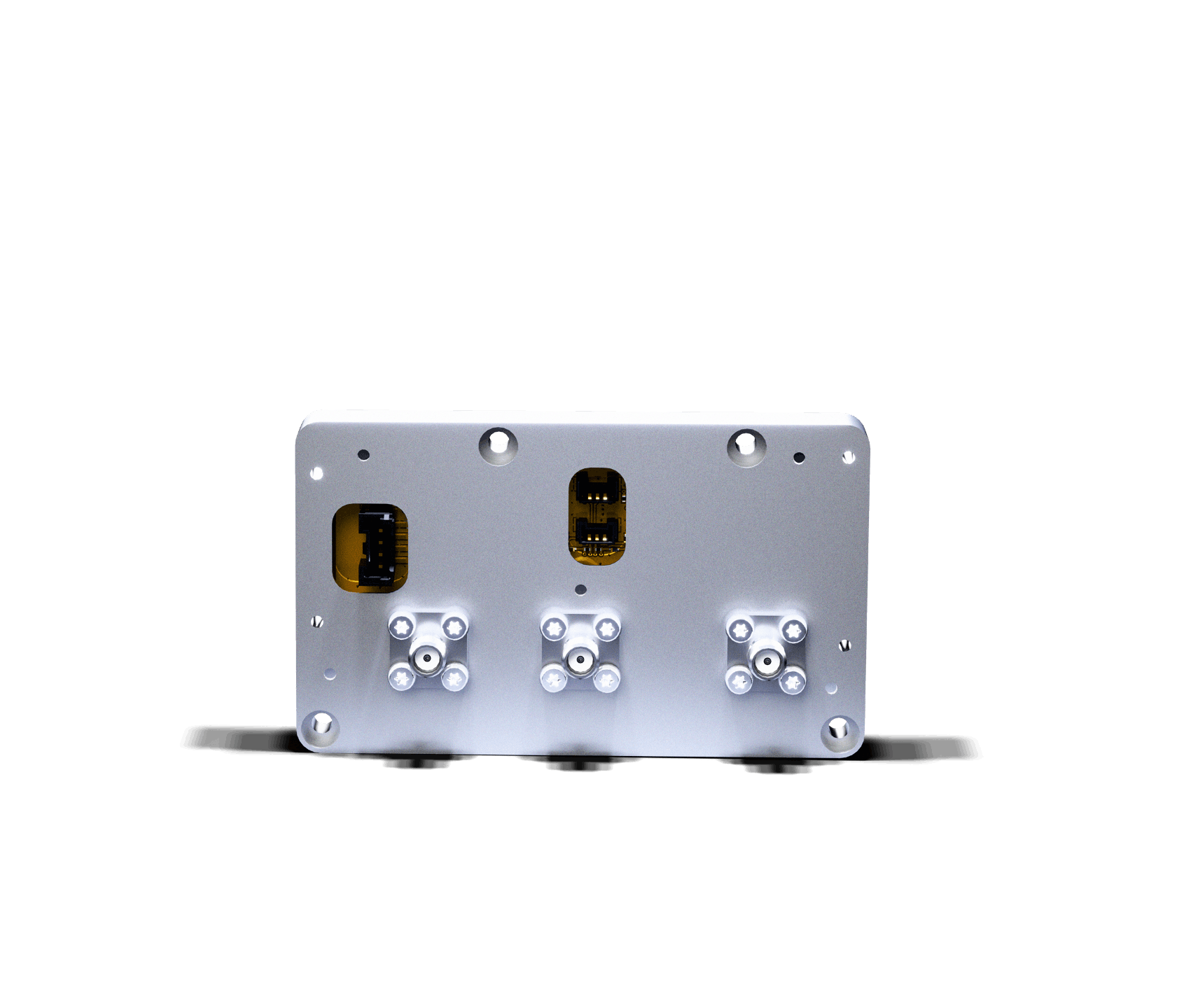
Technical specifications
Engineered for your mission
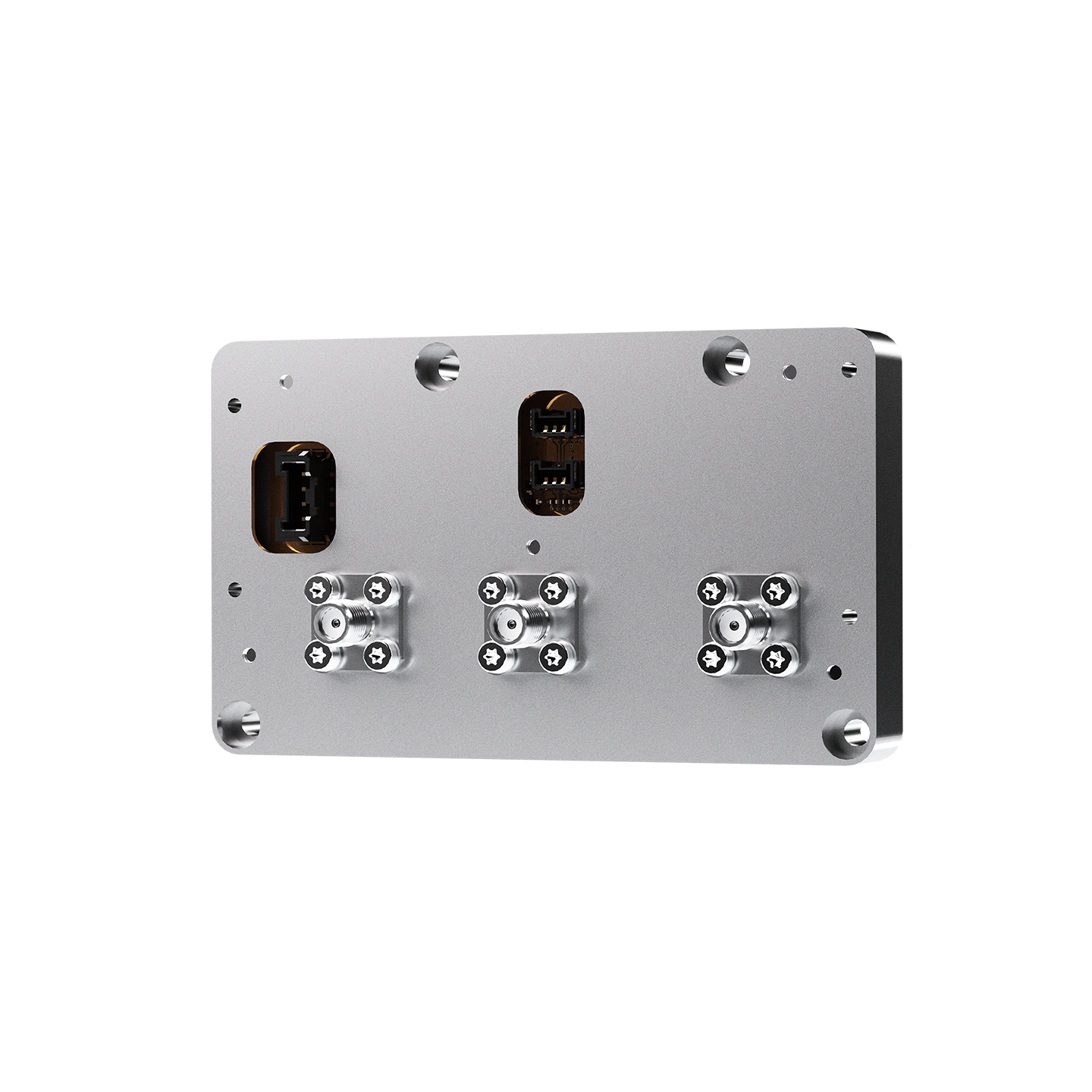
Dual down-conversion paths with shared local oscillator
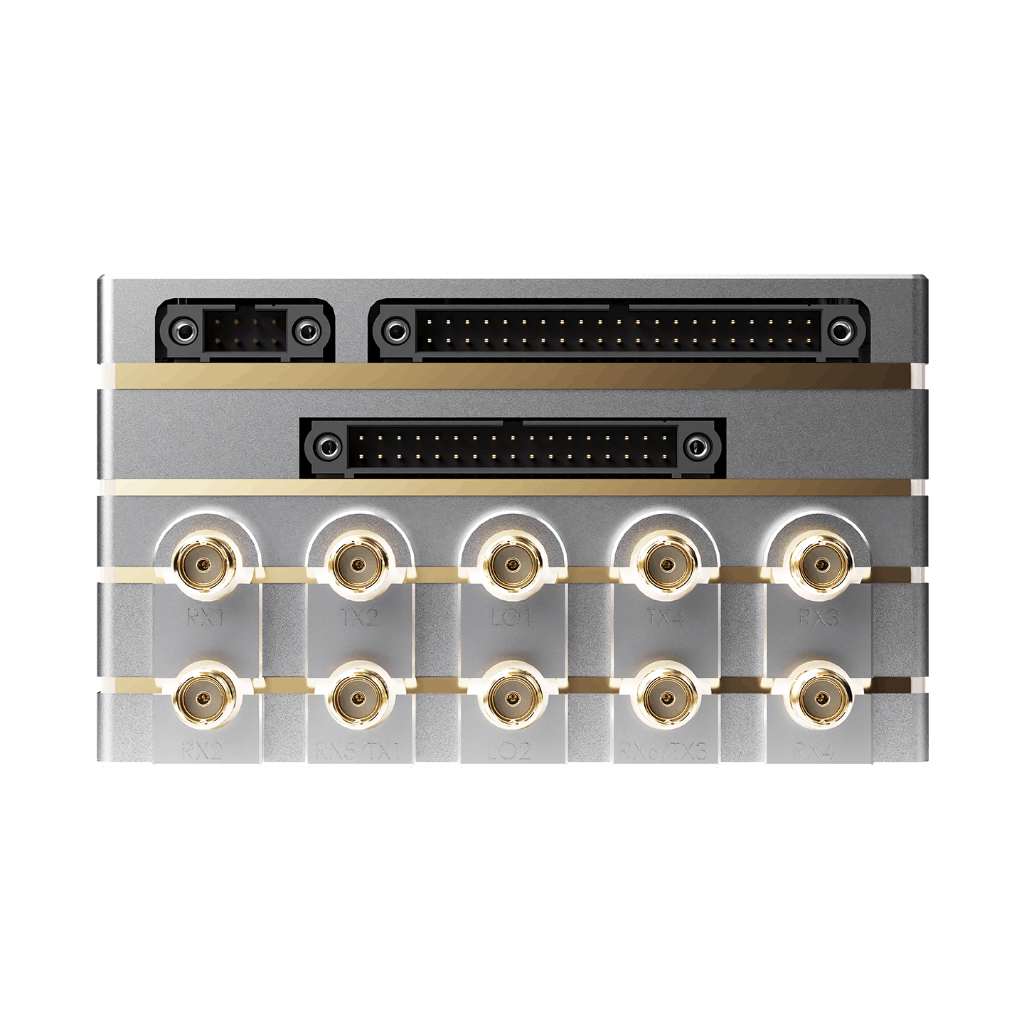
Each LNB integrates two parallel RF‑to‑IF conversion paths driven by a single, common local oscillator. This architecture supports dual‑polarisation reception and guarantees stable frequency alignment between channels, making the LNB well suited to high‑performance antenna systems and multi‑channel payloads.
Antenna‑level RF front‑end for dual and circular polarisation
The Anywaves LNB is designed to be installed directly behind the antenna, forming a compact and efficient RF front‑end at antenna level. Its dual‑channel architecture naturally supports dual‑polarisation antennas. When combined with an additional coupler module, the system can recover left‑hand and right‑hand circular polarisations (LHCP/RHCP), enabling seamless integration with circularly polarised antenna configurations without duplicating RF hardware.
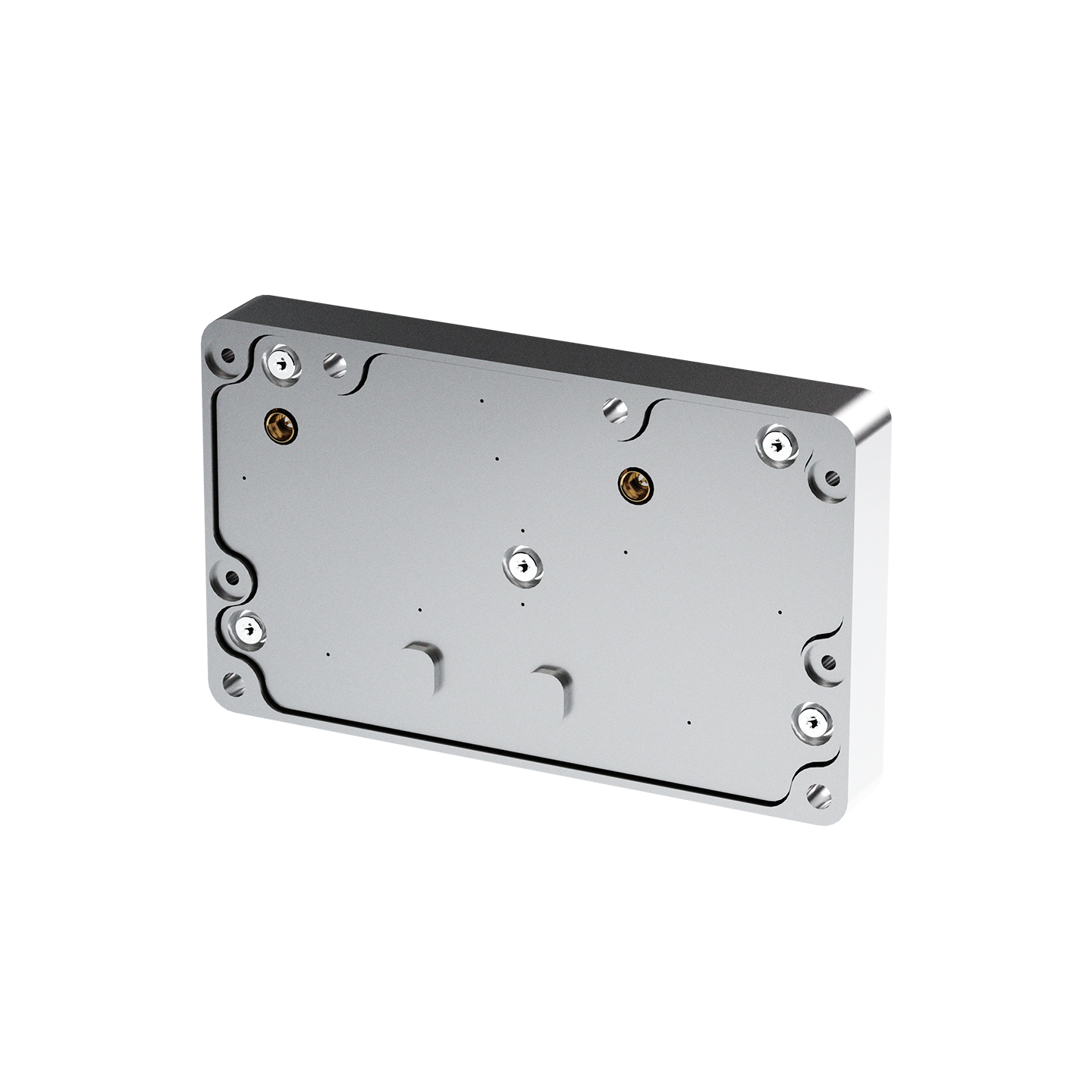
Validated architecture across three frequency bands between 1–12 GHz
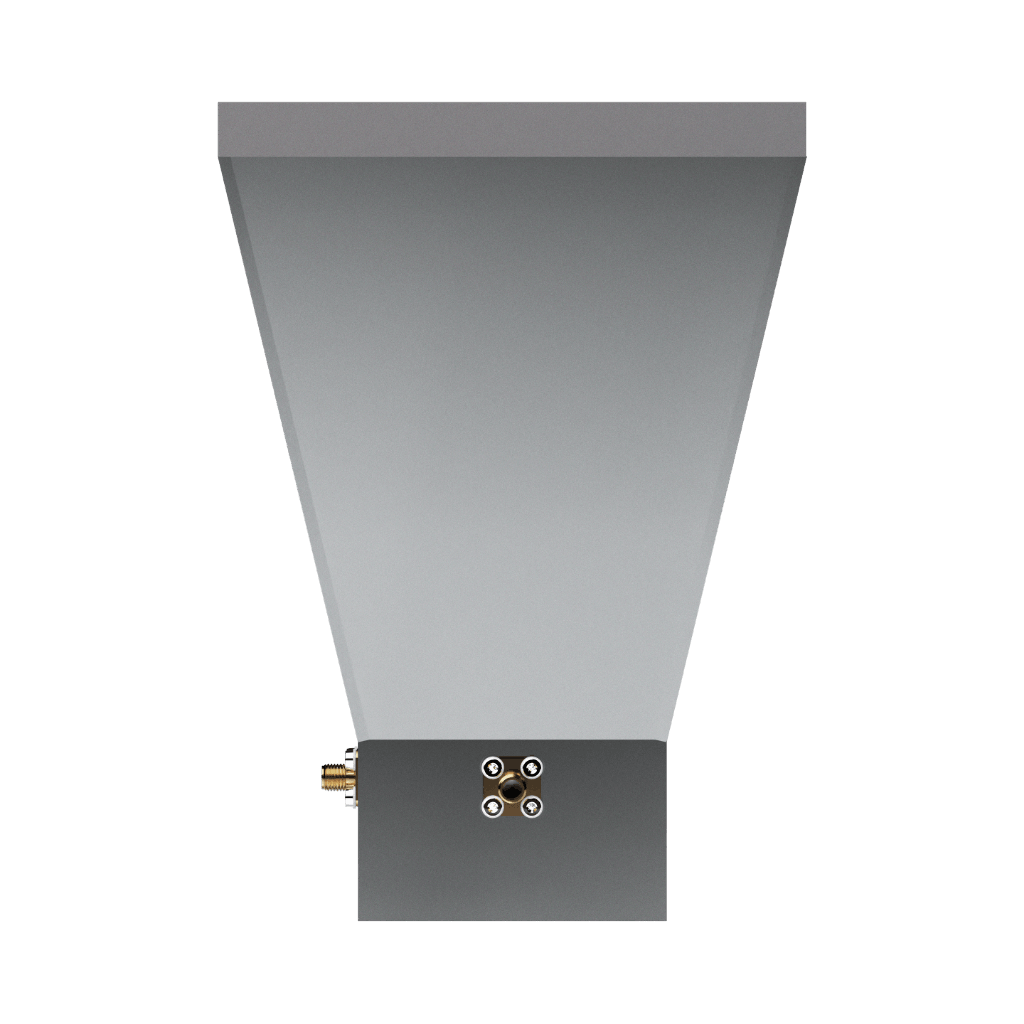
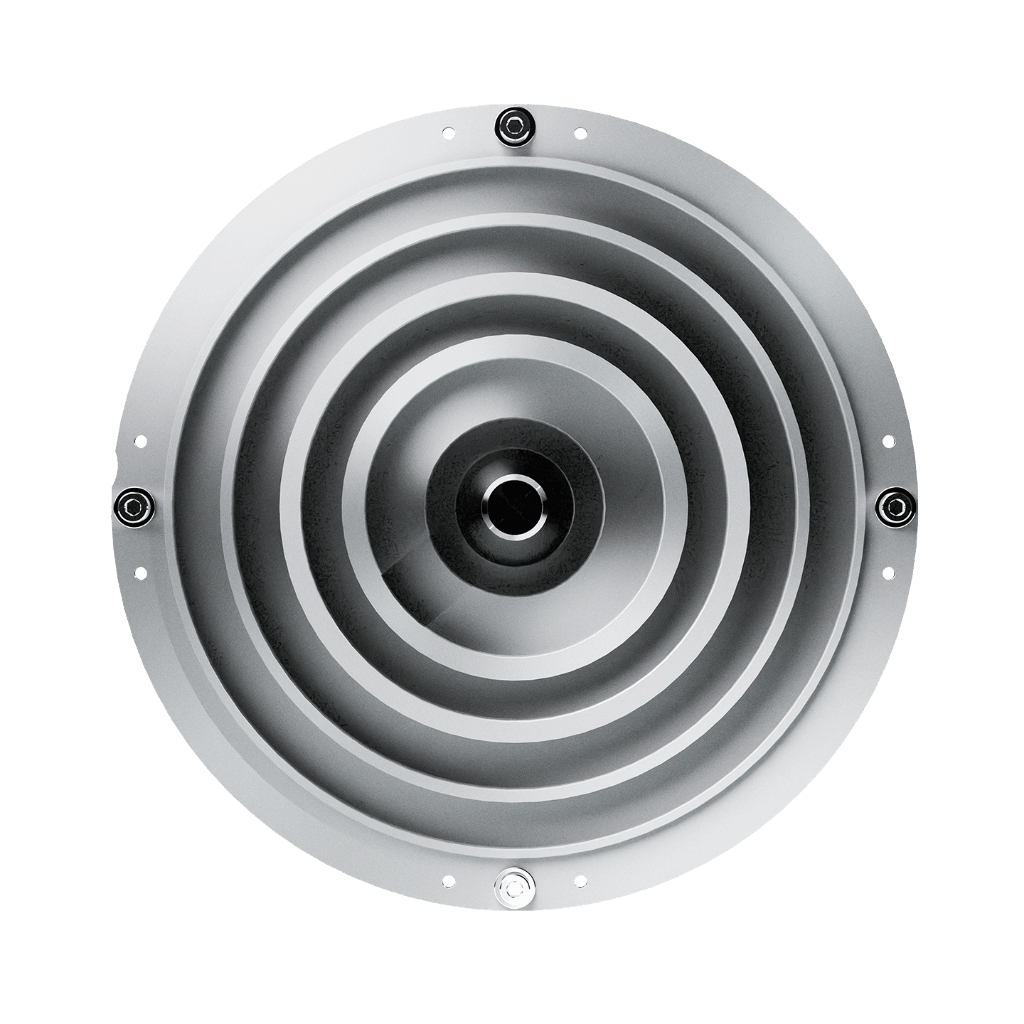
Rather than relying on a single wideband design, the Anywaves LNB family is structured into three dedicated frequency variants (1–2 GHz, 2–6 GHz, and 6–12 GHz). Each band is optimised with a tailored RF, IF, and LO architecture to maximise signal quality within its operating range. These bands are aligned with Anywaves’ in‑house antenna while remaining fully compatible with external antenna systems.
Bridging the antenna and the digital payload
The Anywaves Low Noise Block Downconverter (LNB) is a key element of satellite RF reception chains, positioned directly behind the antenna. Designed for space applications, it provides low‑noise amplification and frequency down‑conversion, delivering a clean intermediate‑frequency signal ready for digitisation and downstream processing.
Built on a dual‑channel architecture with a shared external local oscillator, the Anywaves LNB family is structured into three dedicated frequency variants rather than a single wideband compromise. This approach allows RF performance to be optimised per band while remaining compatible with both Anywaves and third‑party antennas, making the LNB well suited to modern payload architectures combining performance, flexibility, and long‑term evolvability.

Complete EIDP
At delivery, you will receive a complete End Item Data Package including acceptance test reports, ICD, mechanical envelope documentation, user manual and certificate of conformity.

RF front‑end integration support
Our engineers support the integration of the LNB into your RF reception chain, from antenna interface definition to frequency planning and IF routing. This ensures optimal performance when the LNB is combined with your antenna, SDR, and payload electronics.

Next‑generation and extended‑band roadmap discussion
If your requirements are not fully met by the current LNB family, we encourage an early technical discussion. We continuously develop next‑generation LNB architectures, including extended frequency bands and other features. We can rapidly prototype and evaluate RF front‑end variants using representative high‑frequency manufacturing and test capabilities. Early RF prototypes can be produced in‑house using precision laser micro‑machining techniques, enabling rapid evaluation of high‑frequency designs before committing to a full qualification path.

System Integration Support
Our LNB is designed to interface directly with Anywaves COTS antennas and SDR platforms, enabling a complete, integrated RF front-end. We support end-to-end system validation for your communication chain.

Your signal deserves a clear path.
Tell us about your front-end system and frequency requirements. Our engineers will help you select or design the right LNB configuration for your mission.
Questions & Answers
-
What is a Low Noise Block Downconverter and what does it do?
A Low Noise Block Downconverter (LNB) is the first active element placed directly behind the antenna. It amplifies the received RF signal with minimal added noise and down-converts it to an intermediate frequency that can be processed by the payload electronics. The LNB therefore has a direct impact on overall link performance.
-
Why is the Anywaves LNB split into three frequency variants instead of a single wideband design?
Rather than relying on a single wideband compromise, the Anywaves LNB family is structured into three dedicated frequency variants (1–2 GHz, 2–6 GHz, and 6–12 GHz). This band segmentation allows RF performance to be optimised within each range, particularly in terms of noise, filtering, and stability.
The frequency bands are aligned with Anywaves’ dual‑polarisation horn antennas while remaining fully compatible with third‑party antenna systems. This approach preserves a consistent architectural framework across the family while maximising signal quality within each operating band.
-
Can the dual‑channel LNB recover circular polarisation from a dual‑polarisation antenna?
Yes. The Anywaves LNB can be used with an optional coupler module (LNBC) to recover the circular polarisations from a dual‑polarisation antenna.
A dual‑polarisation antenna natively outputs the vertical and horizontal components of the received signal. The optional coupler stage combines these two components to generate left‑hand and right‑hand circularly polarised signals (LHCP and RHCP). These circularly polarised signals are then fed into the dual‑channel LNB, where they are amplified and down‑converted in parallel.
-
Can the two channels of the LNB be enabled independently?
Yes. The LNB module provides two independent power‑supply inputs, allowing each RF channel to be enabled or disabled separately. This enables flexible operation depending on mission needs, such as single‑channel or dual‑channel reception.
In addition, when a coupler module is used downstream of the LNB, the output can be configured to select or combine signals from either channel. This allows dynamic selection of the received signal at system level without duplicating the RF front‑end.
-
Can the LNB be integrated directly with a CubeSat antenna?
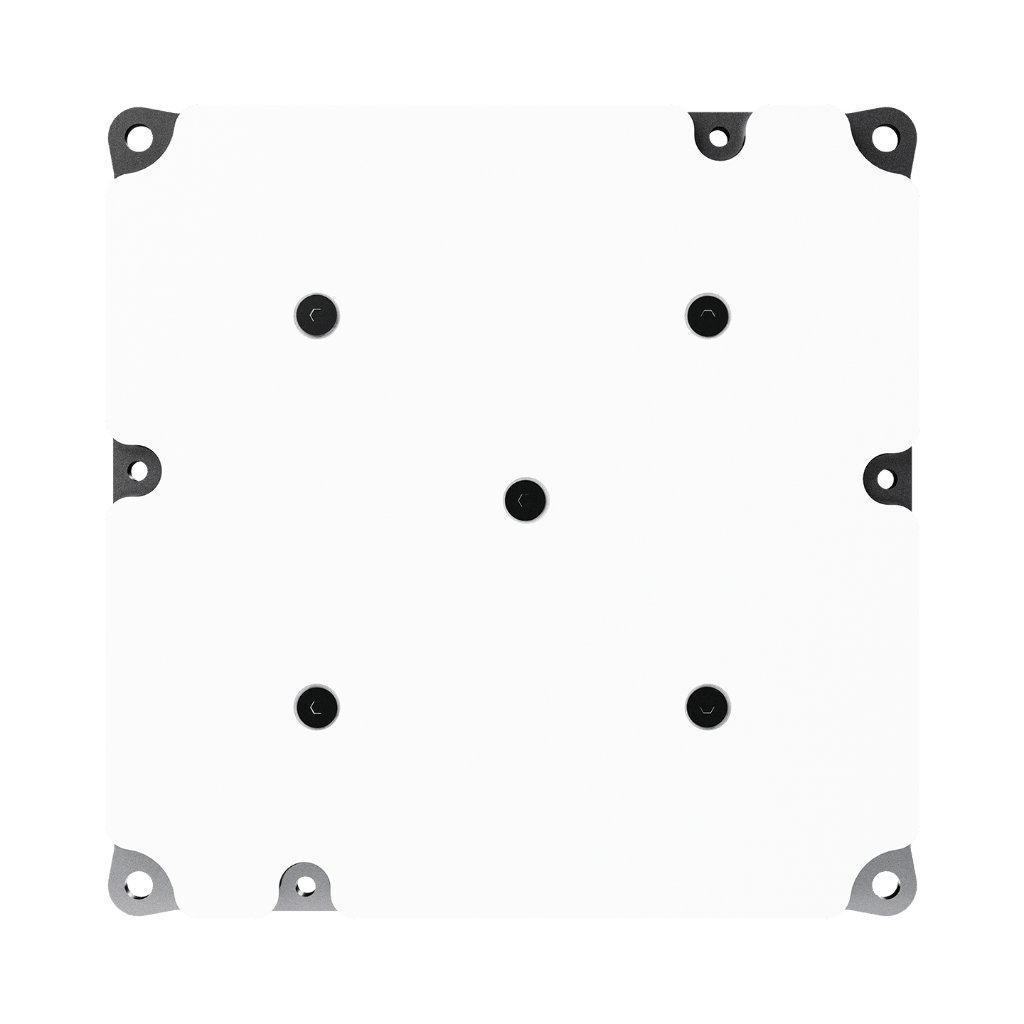
Yes. The Anywaves LNB is designed to plug directly behind a CubeSat antenna, forming a compact and complete RF reception front-end for small satellite platforms. Its RF connectors are compatible with standard CubeSat system architectures, and the external local‑oscillator input provides full flexibility for frequency planning at payload level.
-
How does the LNB fit into an SDR‑based payload architecture?
The LNB is designed as a hardware building block that complements SDR‑based payloads. Defined IF outputs and external local‑oscillator (LO) compatibility allow straightforward interfacing with SDRs, supporting scalable RF reception chains from antenna to digital processing.
When used with platforms such as Anywaves’ VILSA SDR, which provides a dedicated LO output, the LNB can be driven directly by the payload electronics. This enables precise frequency control and seamless integration at system level without additional analogue complexity.
LNB: a space-grade Low Noise Block Downconverter for satellite payloads
The Anywaves Low Noise Block Downconverter (LNB) is a compact, fully customisable RF front-end component for satellite and CubeSat communication systems. Installed directly behind a satellite antenna, it provides low‑noise amplification and frequency down‑conversion across three optimised frequency variants — 1-2 GHz, 2-6 GHz, and 6-12 GHz — for a total frequency coverage from 1 GHz to 12 GHz.
Designed as a system‑level building block, the LNB features dual conversion channels and supports external local‑oscillator (LO) control, enabling flexible frequency planning and clean integration with SDR‑based payloads. The architecture is optimised for antenna‑level integration and is compatible with both Anywaves and third‑party antenna and payload systems.
The Anywaves LNB complements SDR platforms such as the VILSA SDR to form an RF reception chain from antenna to digital processing. For missions requiring capabilities beyond the current LNB family, early technical discussions can be initiated to align with upcoming developments and extended‑band architectures within a controlled engineering framework.
