Home Our Products All Space Antennas Payload Antennas High Gain Antennas Reflectarray Antenna
High Gain Antennas

Reflectarray Antenna

Key spec
TRL 9, ‘In orbit — world first’

Typical design targets — each antenna is designed to your specifications

Central frequency
X-band to Ka-band (scalable toward Q/V band)
Polarization
Dual-circular polarization (simultaneous LHCP and RHCP)
Realized gain
Up to 40 dBi (design target — optimised per project)
Fractional bandwidth
Up to 15%
Stowed dimensions
360 × 210 × 30 mm (compact stowed volume for launch)
TRL
9 — In orbit

High-gain payload antenna.
Built for Ku and Ka band.
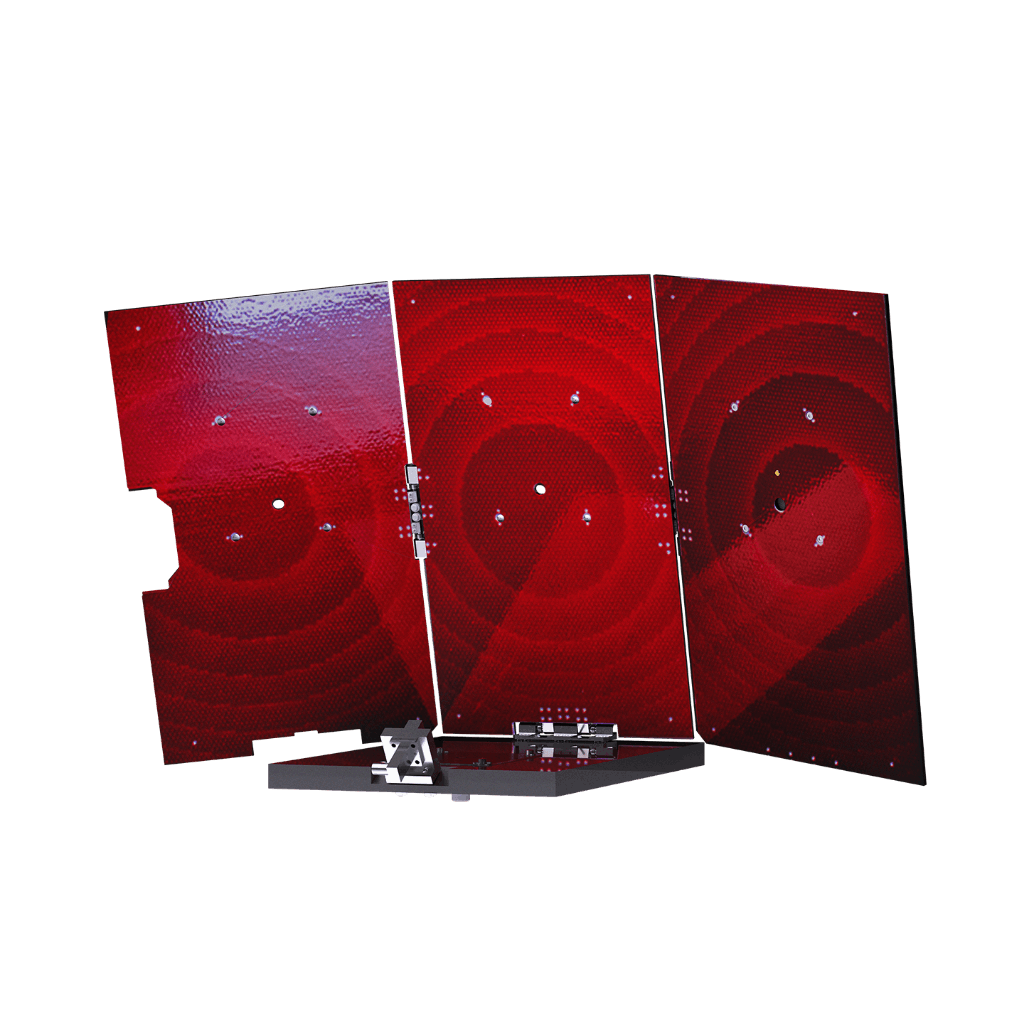
Features-Section-01-Reflectarray-Antenna

Up to 40 dBi from foldable flat panels — parabolic performance, compact stowage

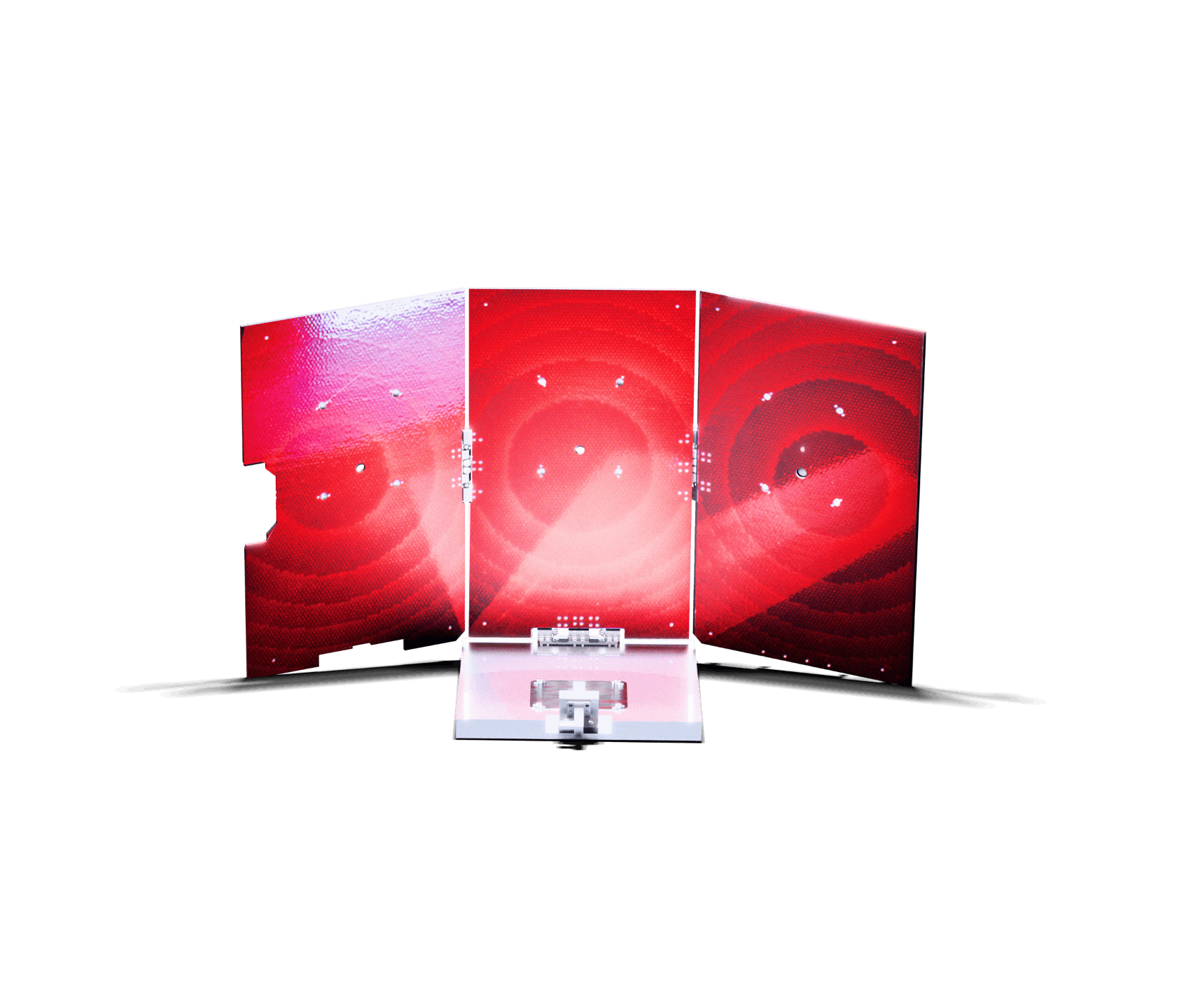
The Reflectarray Antenna replicates the performance of a parabolic reflector using a series of flat, foldable panels engineered to reflect and phase-control RF waves. Once deployed in orbit, the aperture delivers up to 40 dBi of realised gain from X-band to Ka-band, within a fractional bandwidth of up to 15%. The technology achieves this performance level in a form factor that stows to just 360 × 210 × 30 mm for launch — making it accessible to platforms where volume is constrained but high-gain payload performance is non-negotiable.
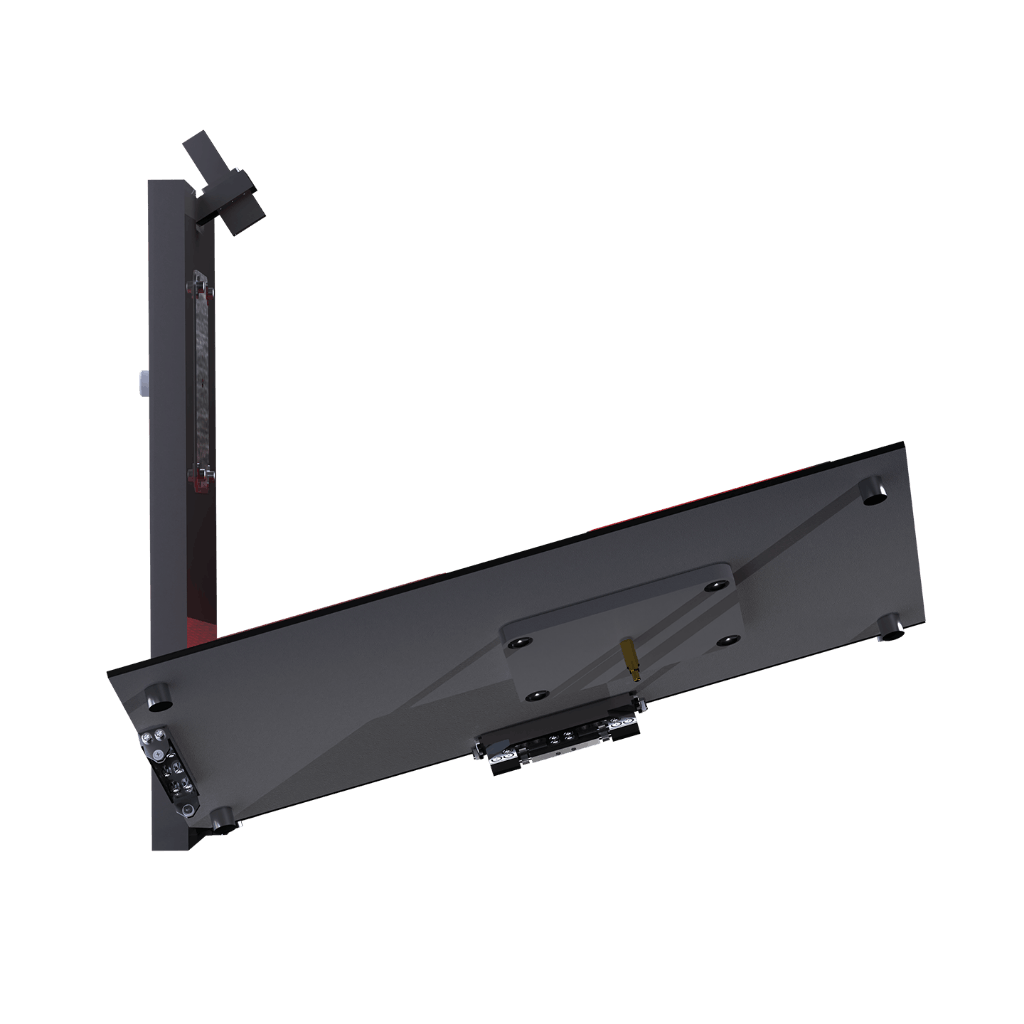
Features-Section-02-Reflectarray-Antenna

Passive deployment — high mechanical reliability, no motor required

The antenna unfolds through a robust passive deployment mechanism: no motor, no electrical actuation, no software dependency. Precision-guided folding systems and locking interfaces between the central and lateral panel sections ensure that the aperture deploys to its correct geometry every time, with structural rigidity maintained throughout the mission lifetime. Passive thermal control is integrated into the design, ensuring the panel geometry remains stable across the extreme thermal gradients of orbital operations.
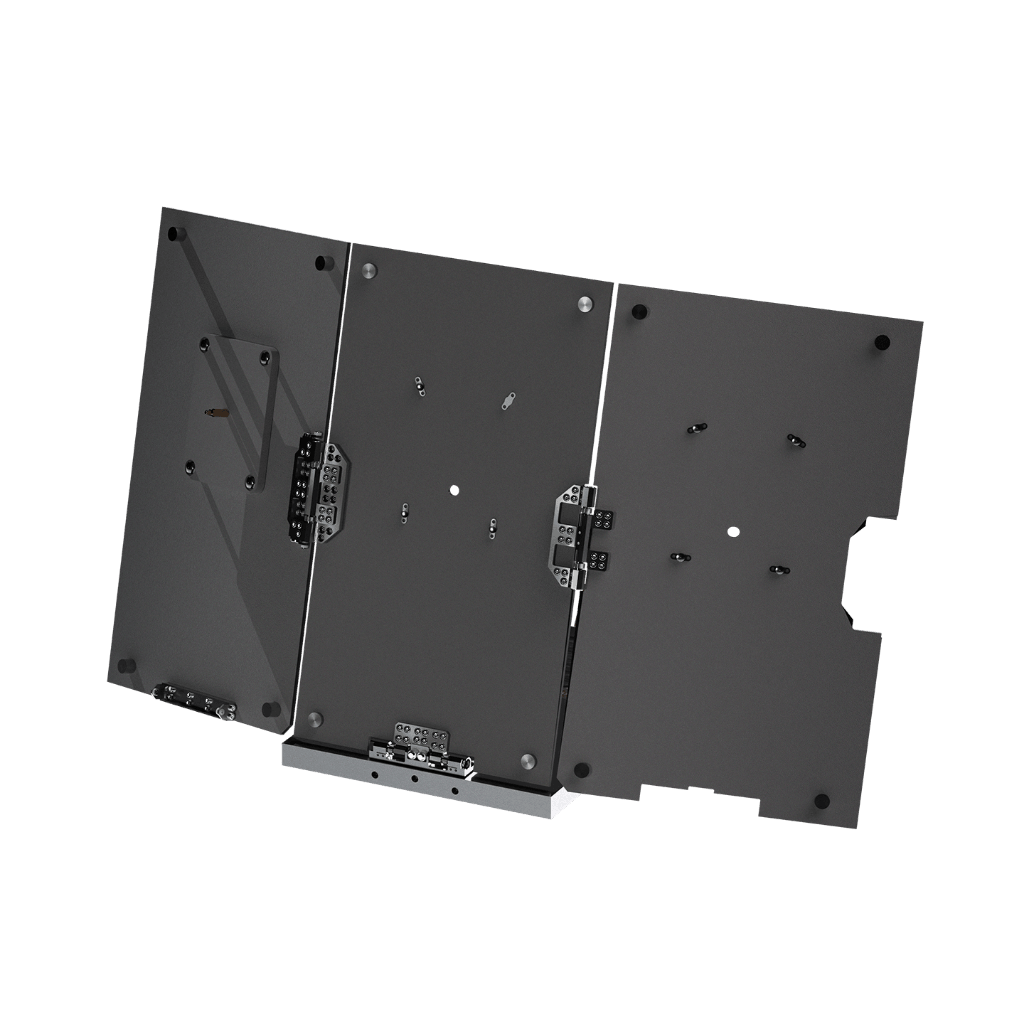
Features-Section-03-Reflectarray-Antenna

Dual-circular polarization — simultaneous LHCP and RHCP from a single aperture

The Reflectarray Antenna supports dual-circular polarization — it transmits or receives Left Hand and Right Hand Circular Polarization simultaneously from the same aperture. This dual-pol capability is a significant system architecture advantage: it doubles the data throughput for a given aperture size in communications applications, enables polarimetric SAR in radar applications, and provides inherent link redundancy without requiring a second antenna. The fractional bandwidth of up to 15% further extends the frequency agility available to mission designers.

The world’s first commercial reflectarray on a small satellite. In orbit.

Features-Section-01-Reflectarray-Antenna

The Anywaves Reflectarray Antenna is a custom-designed, flight-proven high-gain payload antenna for small satellites. Originally developed under a CNES programme and now in orbit as the world’s first commercial reflectarray antenna on a small satellite, it delivers up to 40 dBi of gain from X-band to Ka-band using foldable flat panels that replicate the performance of a parabolic reflector. It is designed for missions where high gain, broadband performance, compact stowage and deployment reliability must be achieved simultaneously.

Its passive deployment mechanism — no motor, no electrical actuation — and locking interfaces ensure high mechanical reliability. Dual-circular polarization (simultaneous LHCP and RHCP) supports both communications and SAR payloads. Fractional bandwidth up to 15%. Stowed to 360 × 210 × 30 mm. Optional LNB. Acceptance tests included. All parameters defined jointly with the customer. ITAR Free.

TRL 9 — in orbit, world first on a small satellite
Up to 40 dBi — parabolic reflector performance
Dual-circular polarization — LHCP and RHCP simultaneously
Passive deployment — no motor, no actuation
Compact stowage: 360 × 210 × 30 mm
ITAR Free — worldwide delivery

Included services

Requirement Definition

At Anywaves, we specialise in delivering custom-made antennas tailored to meet your unique requirements. Our expertise allows us to understand your specific needs and translate them into antenna specifications. We work closely with you to identify key parameters such as frequency bands, gain, beamwidth, mechanical constraints, and environmental considerations. Our team of experienced engineers collaborates with you throughout the process, ensuring that the antenna design aligns precisely with your application’s demands.

Project Management

Our experienced space project managers are skilled in coordinating all aspects of your custom-made antenna project, from initial concept to final delivery. With meticulous planning, effective communication, and diligent resource allocation, we ensure that your project stays on track through key milestones (PDR, CDR, TRR, TRB…). Our project management expertise enables us to navigate complex challenges, mitigate risks, and provide you with regular updates on project progress.

Technical Expertise

Our team of skilled engineers has extensive experience in antenna design and development, as well as in the space and defence industries. We leverage the latest tools and technologies to develop innovative antenna solutions that meet even the most complex challenges. With our technical expertise, we optimise key parameters such as gain, bandwidth, radiation pattern, and impedance matching to deliver antennas that excel in your specific application, following an extensive testing process to mitigate risks throughout the project.

Extensive Documentation

In addition to our standard EIDP package, we deliver throughout the project all the design justification you may need: RF, mechanical, thermal and radiation analyses; test plans; test reports. We make sure to deliver documentation that adds value to your project and guarantees that your antenna is compliant with your requirements.
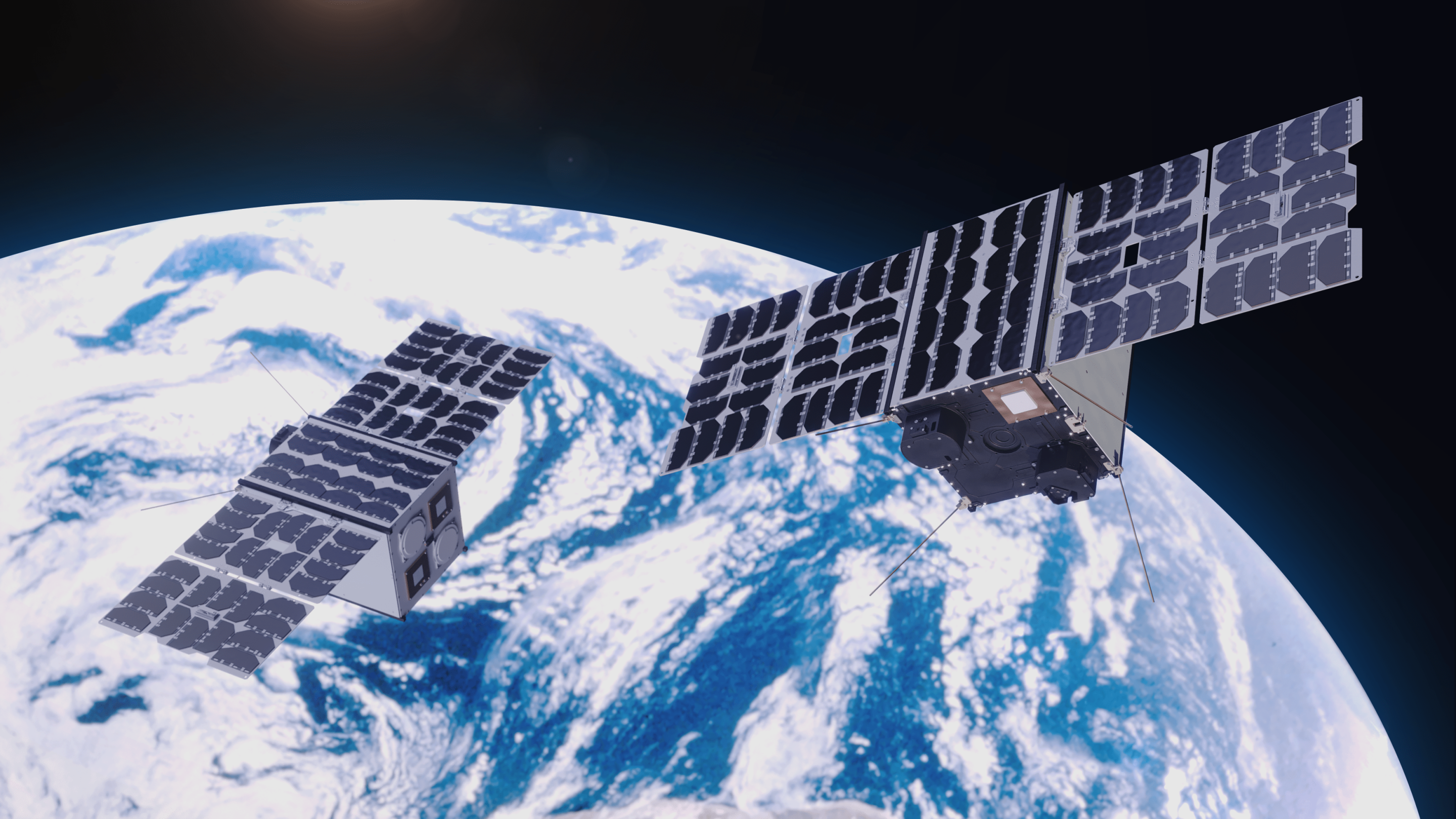

Omnispace Spark 1 & 2 - Thales Alenia Space with Anywaves Antenna Onboard

Omnispace Spark 1 & 2

Omnispace Spark 1 & 2

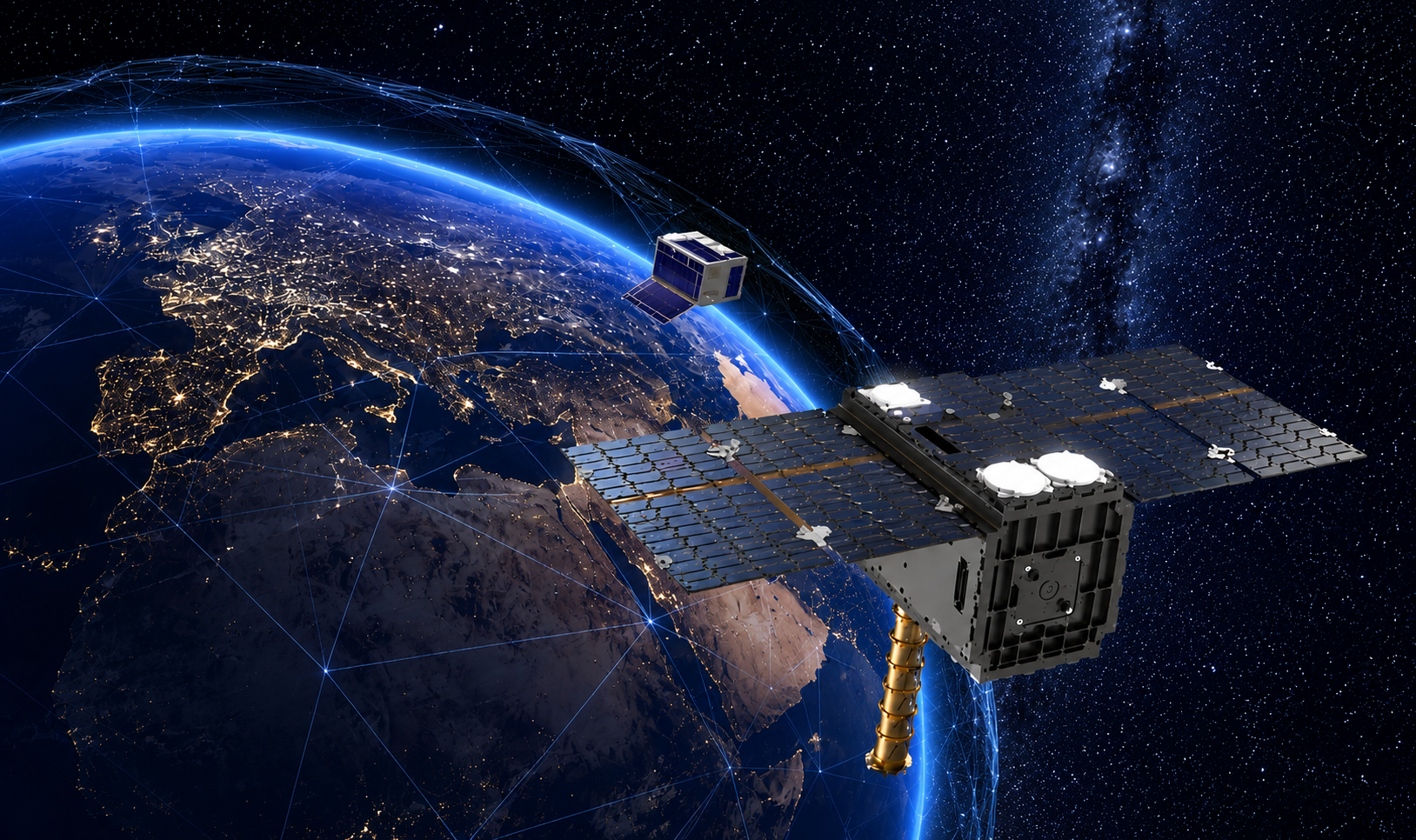
Omnispace Spark-1 and Spark-2 are technology demonstration satellites launched in 2022 to validate Omnispace’s hybrid non-terrestrial 5G communications network in Low Earth Orbit.
Anywaves contributes to the missions with its S-Band TT&C antennas, ensuring reliable telemetry, tracking, and command communications in orbit.

Launched April 2022
Featured

Thales Alenia Space
Omnispace

Product S-Band TT&C Antenna
ESA RAMSES mission to asteroid Apophis with Anywaves Low-Frequency Radar (LFR)

RAMSES

RAMSES

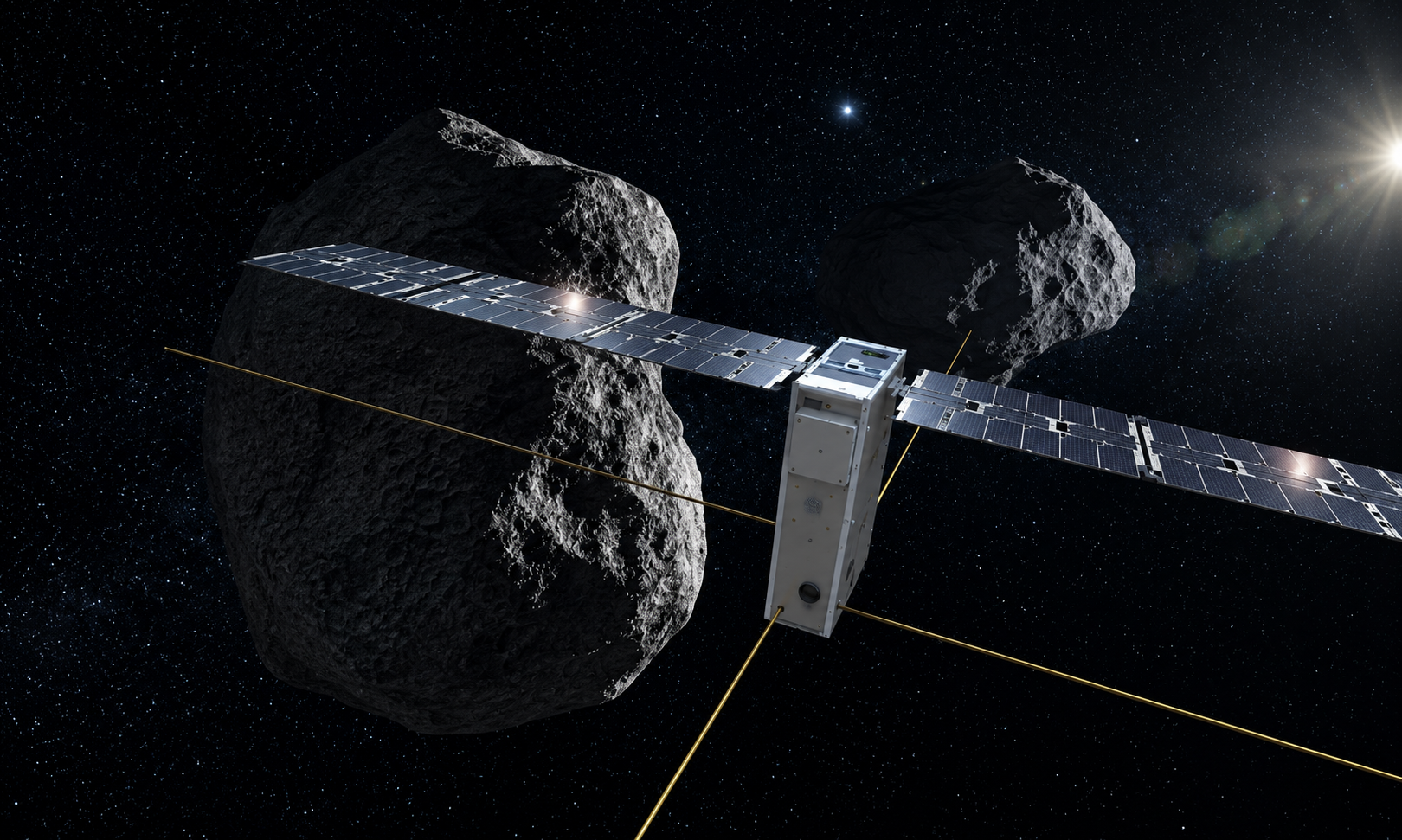
The European Space Agency RAMSES mission to asteroid Apophis will investigate the asteroid during its historic close approach to Earth in 2029. Anywaves Luxembourg (EmTroniX) developed a bi-static Low-Frequency Radar (LFR) instrument designed to scan the asteroid’s internal structure and support planetary defense research.

Launched January 2028
Featured

ESA

Product

Low Frequency Radar
Bistatic Radar

Optimus Satellite - Space Machines Company with Anywaves antennas onboard

Optimus

Optimus

Optimus is Space Machines Company’s first Orbital Servicing Vehicle (OSV), launched in March 2024 to demonstrate in-orbit satellite servicing, inspection, relocation, and life-extension capabilities.
Anywaves contributes to the mission with its S-Band TT&C antennas, enabling reliable telemetry, tracking, and command communications throughout orbital operations.

Launched March 2024
Featured

Space Machines Company

Product S-Band TT&C Antenna
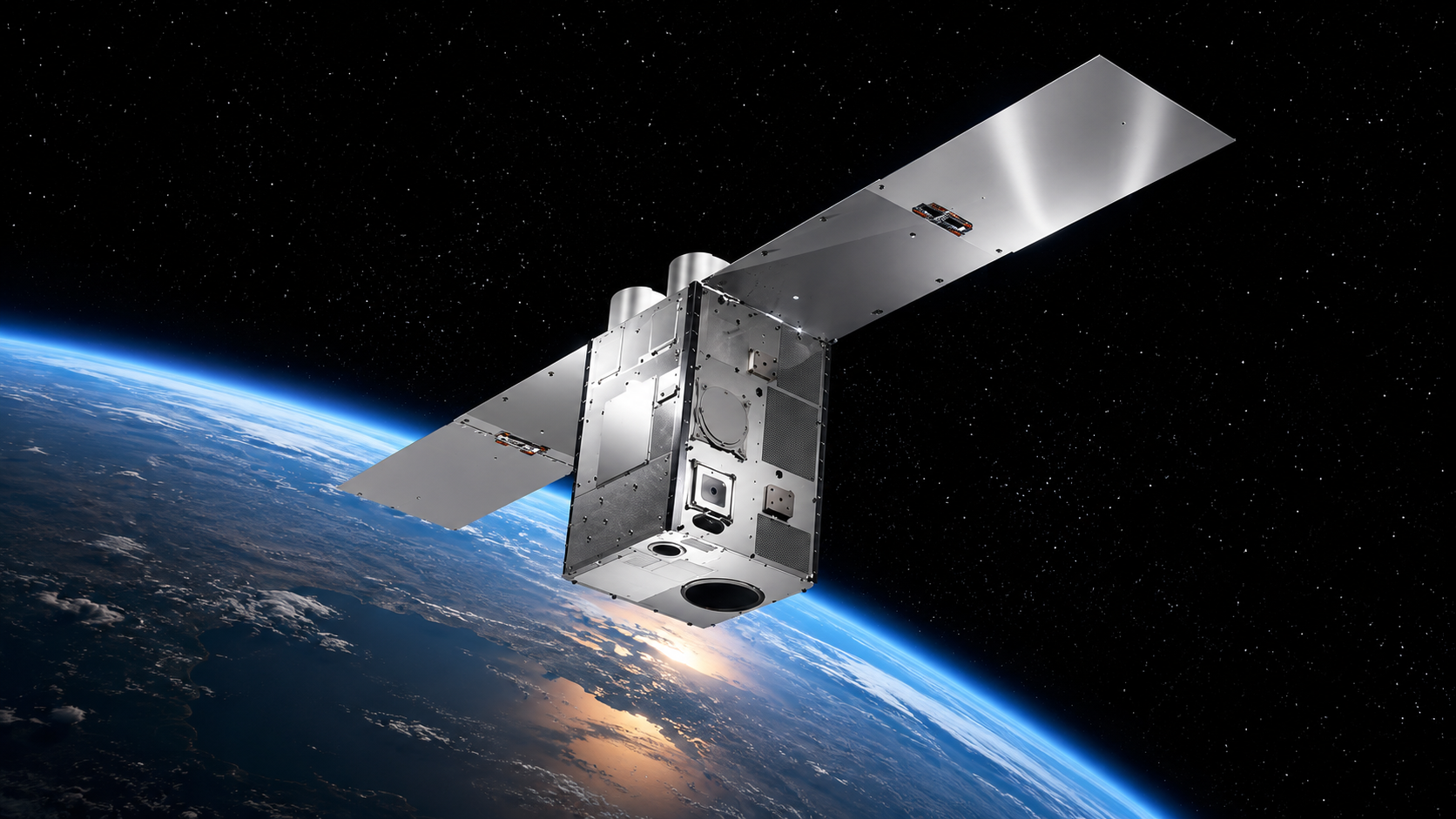
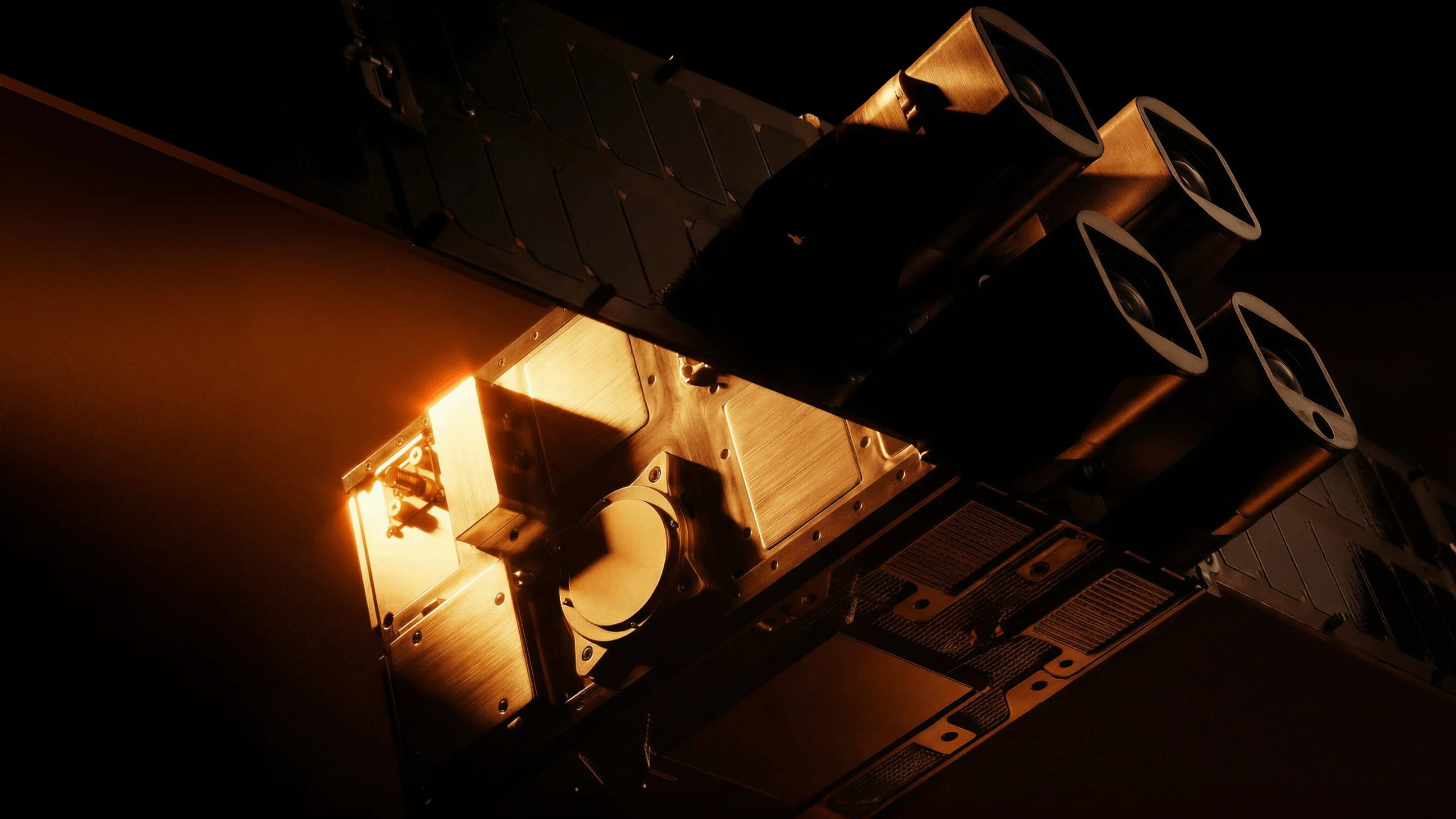
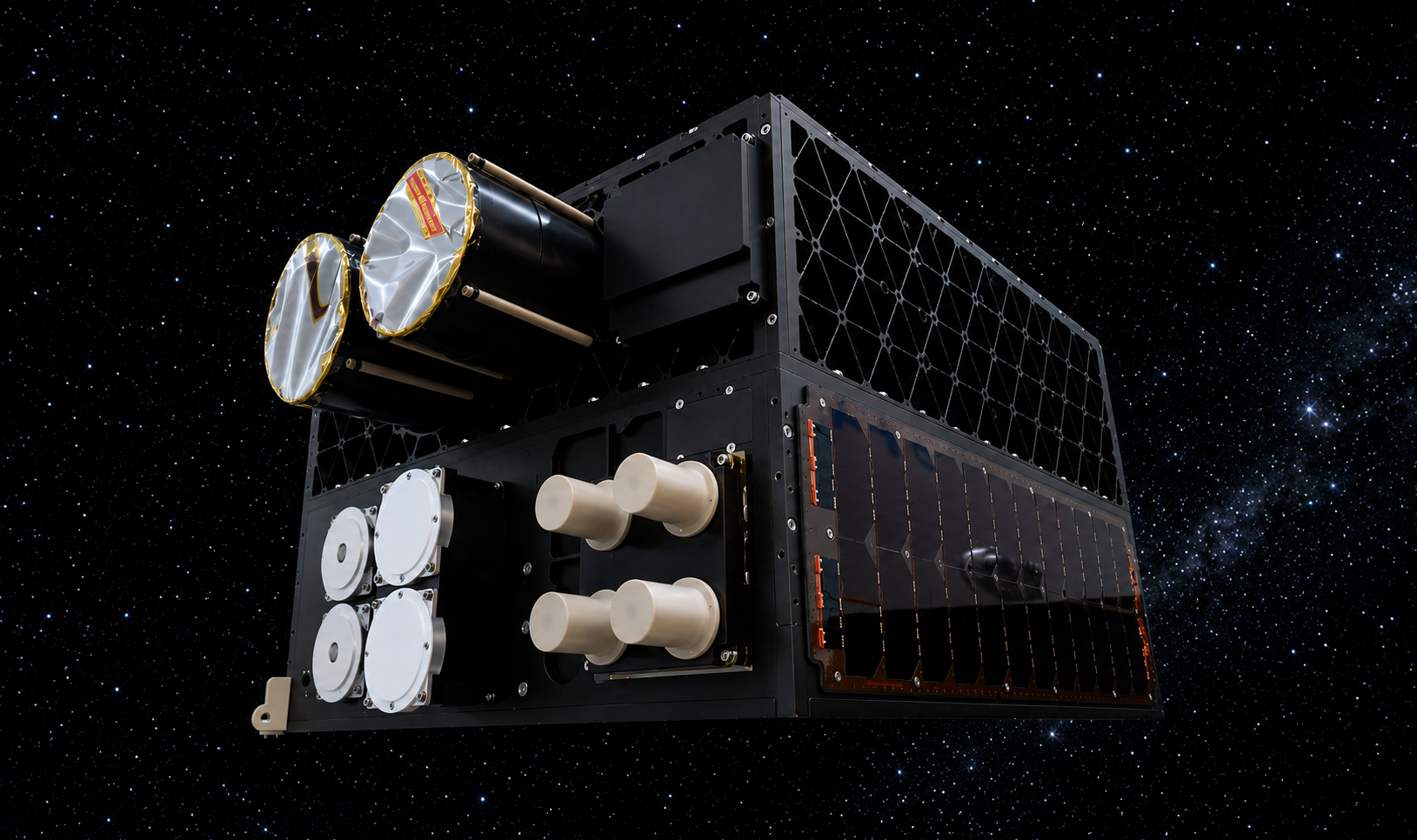
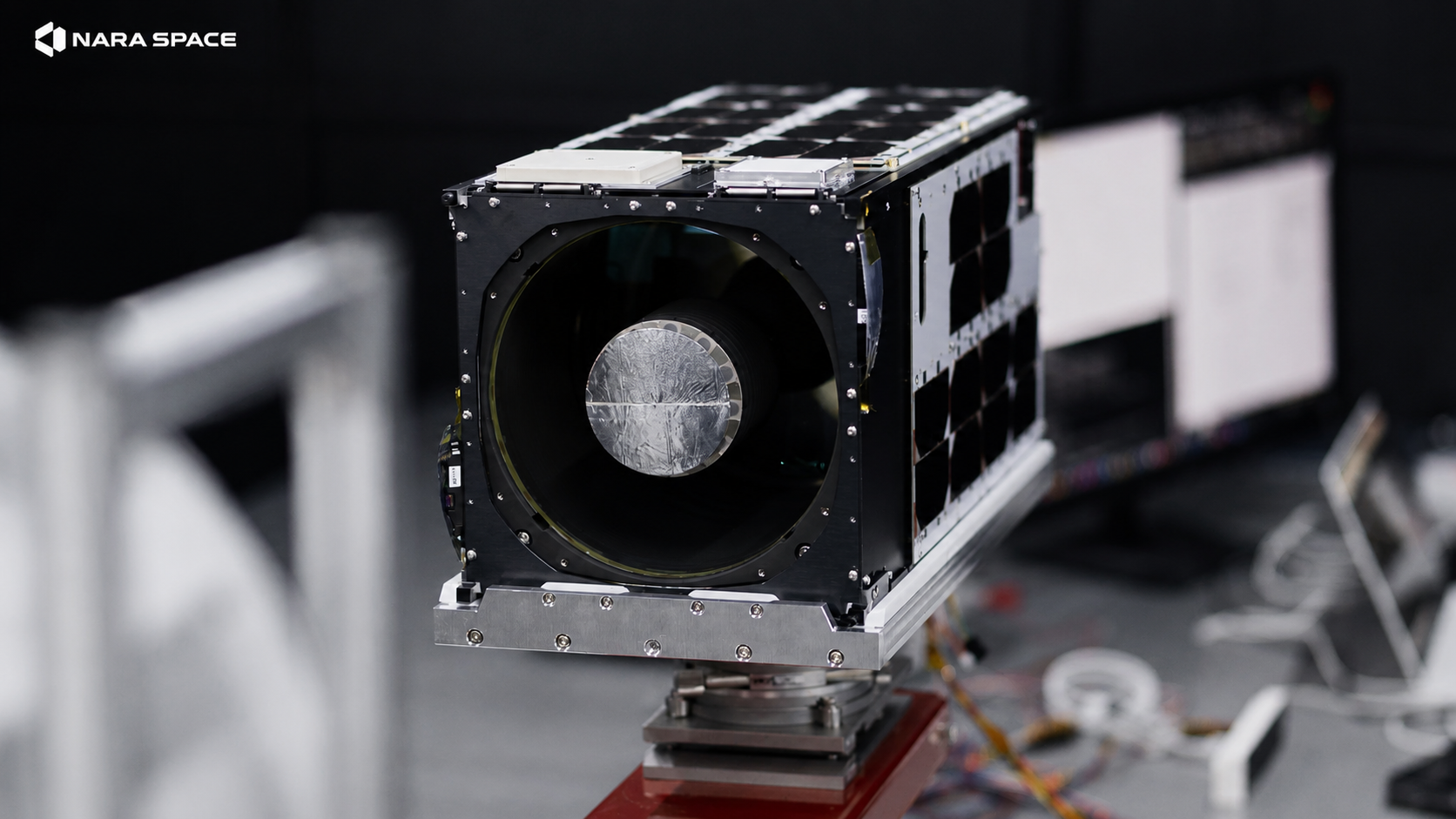
E3T-1 Nara Space

E3T-1

E3T-1

E3T-1 is a technology demonstration CubeSat developed by Nara Space and KARI to validate Korean-developed electronic components and semiconductors in orbit. Launched aboard the Nuri rocket in November 2025, the mission supports South Korea’s growing sovereign space capabilities.
Anywaves contributes with its S-Band TT&C antennas and heritage X-Band downlink antenna, enabling reliable communications and payload data transmission throughout the mission.

Launched November 2025
Featured

Nara Space

Product S-Band TT&C Antenna Compact X-Band Antenna
YAM-9 loft with Anywaves Antennas onboard

YAM-9

YAM-9

YAM-9 is Loft Orbital’s next-generation hosted payload mission, launched on 28 November 2025 aboard SpaceX’s Transporter-15 rideshare mission to support AI-enabled on-orbit computing, virtual missions, and multiple customer payloads.
The mission integrates Anywaves’ S-Band TT&C antennas to provide robust telemetry, tracking, and command communications supporting Loft’s hosted payload infrastructure and advanced onboard mission operations.

Launched November 2025
Featured

Loft

Product S-Band TT&C Antenna
YAM-8 Loft Anywaves Antennas

YAM-8

YAM-8

YAM-8 is a Loft Orbital multi-mission satellite launched in March 2025, designed to host and operate a variety of customer payloads on a shared orbital platform.
The mission integrates Anywaves’ S-Band TT&C antennas to ensure robust telemetry, tracking, and command communications for reliable hosted payload operations in orbit.

Launched March 2025
Featured

Loft

Product S-Band TT&C Antenna
YAm-7 Satellite Loft Anywaves Antennas

YAM-7

YAM-7

YAM-7 is Loft Orbital’s latest shared satellite mission, launched in August 2024 to support multiple hosted payloads and scalable in-orbit applications through its flexible multi-mission platform.
Anywaves contributes to the mission with its S-Band TT&C antennas, providing reliable telemetry, tracking, and command communications for the satellite’s hosted payload operations and mission management.

Launched August 2024
Featured

Loft

Product S-Band TT&C Antenna
Yam-6 Loft

YAM-6

YAM-6

YAM-6 is a Loft Orbital mission designed to demonstrate virtual mission capabilities through onboard software-defined applications and real-time payload operations in orbit.
The satellite integrates Anywaves’ S-Band antennas to provide robust communication links supporting hyperspectral imaging, software-defined radio operations, and virtual mission management.

Launched January 2024
Featured

Loft

Product S-Band TT&C Antenna
YAM-5 Satellite Loft

YAM-5

YAM-5

YAM-5 is a Loft Orbital shared satellite mission launched in 2023 to host Kinéis’ RF Space Lab and support in-orbit testing of advanced RF and IoT technologies.
Anywaves contributed to the mission with its S-Band antennas, ensuring reliable telemetry, tracking, and command communications for the satellite’s multi-payload operations.

Launched January 2023
Featured

LOFT

Product S-Band TT&C Antenna
Arctic Weather OHB Sweden

Arctic Weather

Arctic Weather

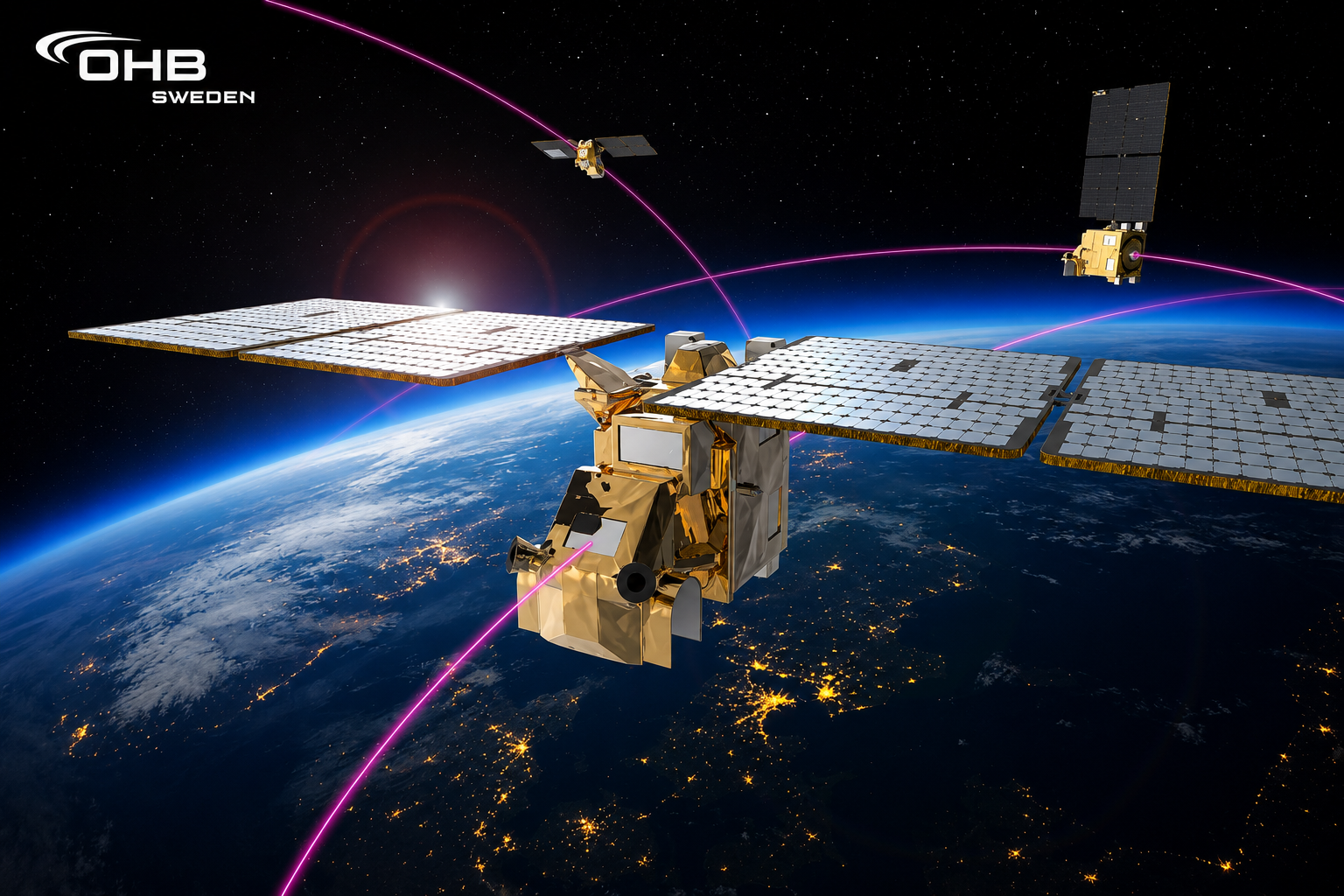
The Arctic Weather Satellite (AWS) is an ESA-led mission developed by OHB Sweden to improve Arctic and global weather forecasting through high-frequency atmospheric monitoring from Low Earth Orbit.
Anywaves contributes to the mission with a complete antenna suite including S-Band TT&C, GNSS, and innovative L-Band payload antennas, enabling reliable communications, navigation, and meteorological data downlink.

Launched June 2024
Featured

OHB Sweden

Product

S-Band TT&C Antenna
Ceramic GNSS E1/L1 Antenna
Payload L-Band Antenna

LizzieSat™

LizzieSat™

LizzieSat™ is Sidus Space’s next-generation data collection satellite, designed to deliver near real-time Earth observation and AI-powered analytics for applications ranging from agriculture to maritime monitoring.
Anywaves contributes to the mission with its S-Band TT&C antennas, ensuring reliable telemetry, tracking, and command communications throughout satellite operations in Low Earth Orbit.

Launched March 2024
Featured

Sidus Space

Product S-Band TT&C Antenna
SOAP Satellite U-Space

SOAP

SOAP

SOAP is a space surveillance nanosatellite dedicated to RF spectrum monitoring and signal analysis in orbit, supporting future space situational awareness capabilities.
The mission integrates Anywaves’ S-Band, X-Band, and GNSS antennas to ensure secure communications, payload data downlink, and accurate orbit determination.

Launched March 2025
Featured

U-Space

Product S-Band TT&C Antenna Compact X-Band Antenna GNSS All-Bands Antenna

Pandore

Pandore

Pandore is a French nanosatellite mission demonstrating Synchrocube, Europe’s first in-orbit LEO-PNT technology designed to strengthen and complement existing GNSS timing services.
Anywaves equips the satellite with S-Band TT&C, X-Band downlink, and GNSS antennas, enabling robust communications, precise navigation, and reliable transmission of mission data.

Launched March 2025
Featured

U-Space

Product S-Band TT&C Antenna Compact Wideband Antennas Compact X-Band Antenna GNSS All-Bands Antenna
ABA First Runner (AFR-1) Mission

ABA First Runner (AFR-1) Mission

ABA First Runner (AFR-1) Mission

ABA First Runner (AFR-1) is an Earth-observation technology demonstrator developed by Azista BST Aerospace and Berlin Space Technologies, launched in 2023 to deliver high-resolution panchromatic and multispectral imagery from Sun-synchronous orbit.
Anywaves contributed to the mission with two S-Band TT&C antennas, ensuring reliable telemetry, tracking, and command communications throughout satellite operations.

Launched June 2023
Featured

Azista BST Aerospace
Berlin Space Technologies GmbH

Product S-Band TT&C Antenna
Observer 1-B Nara Space

Observer-1 B

Observer-1 B

Observer-1B is the twin satellite to Observer-1A, designed to enhance revisit capability and support the deployment of Nara Space’s future Earth-observation constellation.
Like its predecessor, it integrates Anywaves’ X-Band antenna to ensure reliable high-rate transmission of mission imagery from orbit to Earth.

Launched June 2024
Featured

Nara Space

Product

X-Band Antenna

Observer 1-A Nara Space - Anywaves Antennas

Observer-1A

Observer-1A

Observer-1A is Nara Space’s first operational 16U Earth-observation CubeSat, launched in 2023 to deliver high-resolution multispectral imagery from Sun-synchronous orbit.
Anywaves supports the mission with its flight-proven X-Band antenna, enabling high-speed downlink of Earth observation data to ground stations.

Launched November 2023
Featured

Nara Space

Product S-Band TT&C Antenna Compact X-Band Antenna

HEO Hawk Pathfinder

HEO Hawk Pathfinder

HEO Hawk Pathfinder is the first satellite of Argotec’s IRIDE Earth-observation constellation, designed to deliver high-revisit optical imagery from Low Earth Orbit.
Anywaves contributes to the mission with its flight-proven GNSS All-Bands antenna, enabling precise orbit determination and constellation synchronization.

Launched June 2026
Featured

Argotec
ESA

Product GNSS All-Bands Antenna
GYEONGGISat-1 Nara Space Anywaves

GYEONGGISat-1

GYEONGGISat-1

GYEONGGISat-1 is South Korea’s first climate-monitoring satellite commissioned by a local government, designed by Nara Space Technology to support environmental monitoring, disaster response, and climate policy through multispectral Earth observation. Anywaves contributed to the mission with its flight-proven X-Band Payload Telemetry Antenna, ensuring reliable high-rate downlink of multispectral image data from orbit to ground.

Launched November 2025
Featured

Nara Space

Product

X-Band Antenna

Kleos Space

Kleos Space

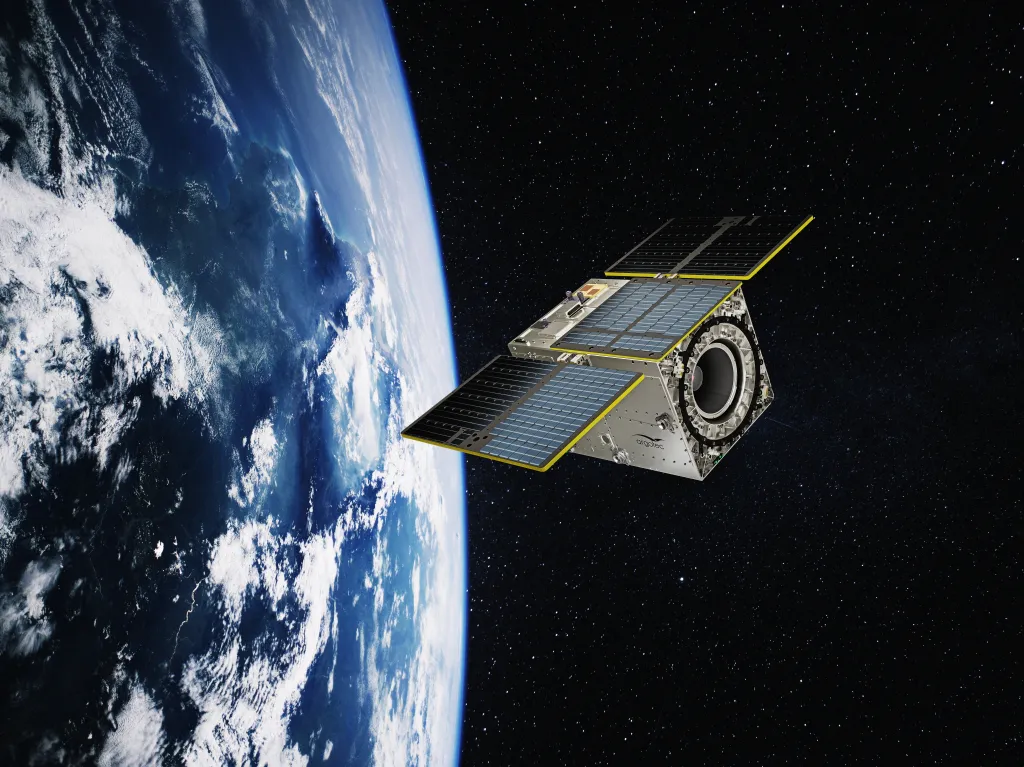
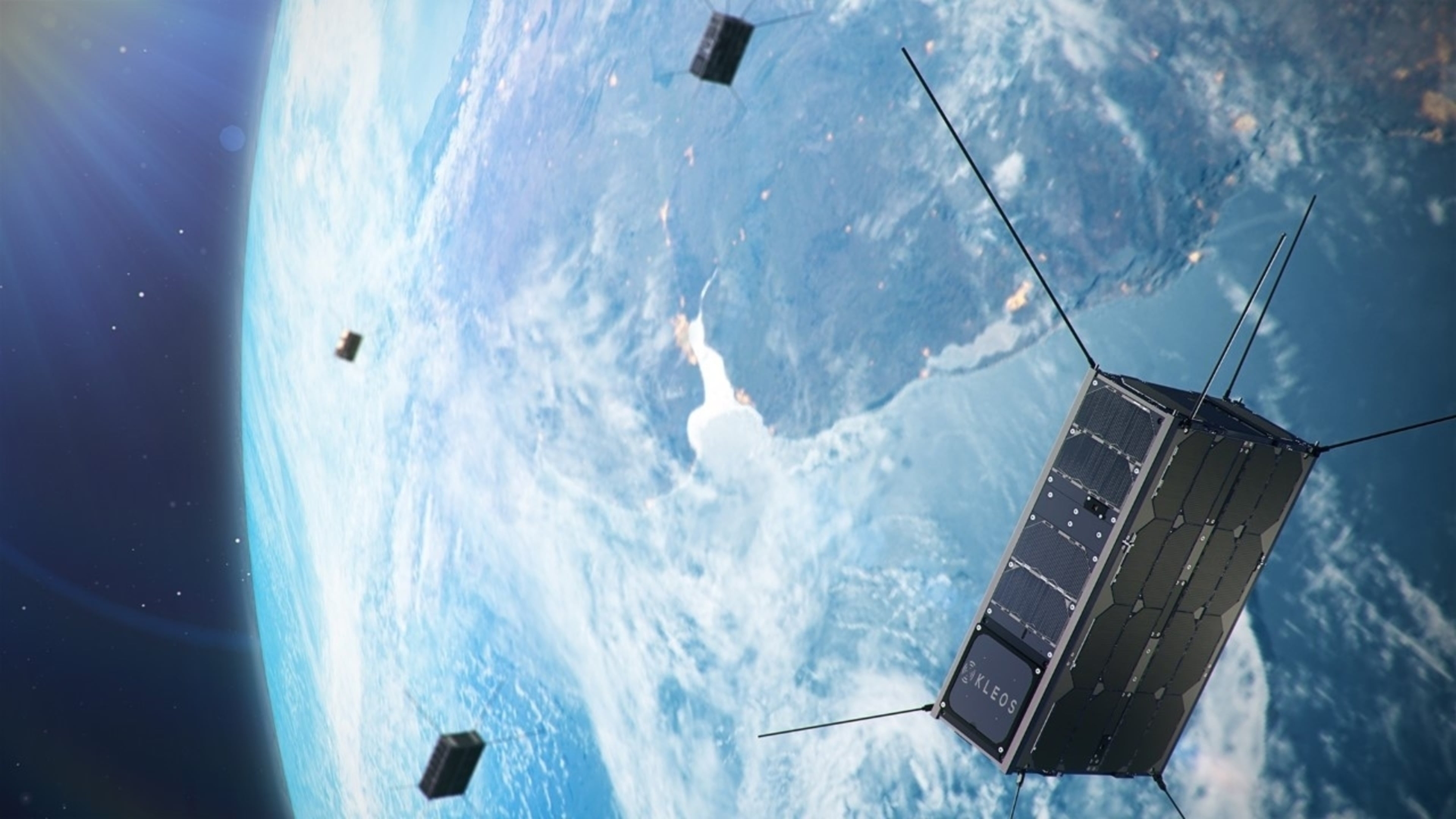
Kleos delivers space-based RF geolocation capabilities, enabling detection and positioning of radio frequency emitters across large areas. By analysing signals from orbit, the system provides valuable intelligence for maritime security and defense applications. EmTroniX developed the multi-channel RF front-end and control electronics, ensuring precise signal acquisition and synchronization required for accurate geolocation.

Launched November 2020
Featured

ESA
DLR

Product

Advanced multi-channel RF front-end electronics

GHOSt (Global Hyperspectral Observation Satellite)

GHOSt

GHOSt

GHOST is an innovative system enabling real-time monitoring of satellite transponders without interrupting operational services. By using advanced spread spectrum techniques, it provides continuous insight into payload performance. EmTroniX developed the FPGA-based MODEM and signal processing electronics, enabling precise diagnostics even below the noise floor.

Launched April 2023
Featured

ESA
LuxSpace

Product

FPGA-based MODEM
Signal processing electronics

Triton-X

Triton-X

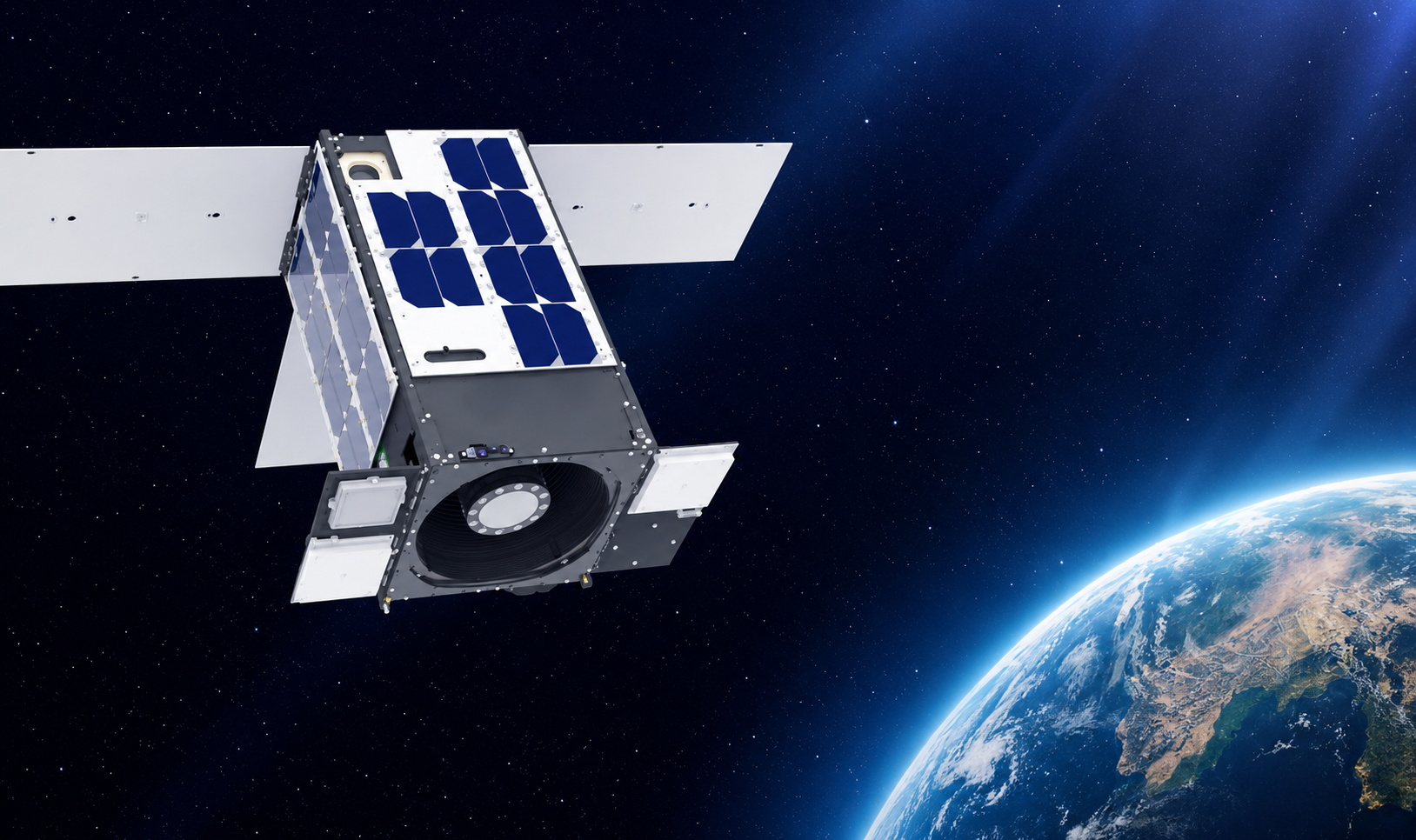
Triton-X is a high-performance microsatellite platform designed to support demanding missions in Earth observation, telecommunications, and security. Built for scalability and efficiency, it enables high data throughput within compact architectures. EmTroniX contributed key avionics systems, including onboard computing and high-speed communication subsystems, enabling reliable data processing and transmission for advanced satellite missions.

Launched October 2023
Featured

LuxSpace
OHB

Product

Onboard computer
High-Speed communication subsystems

4M Mission Manfred Memorial Moon Mission

4M Mission

4M Mission

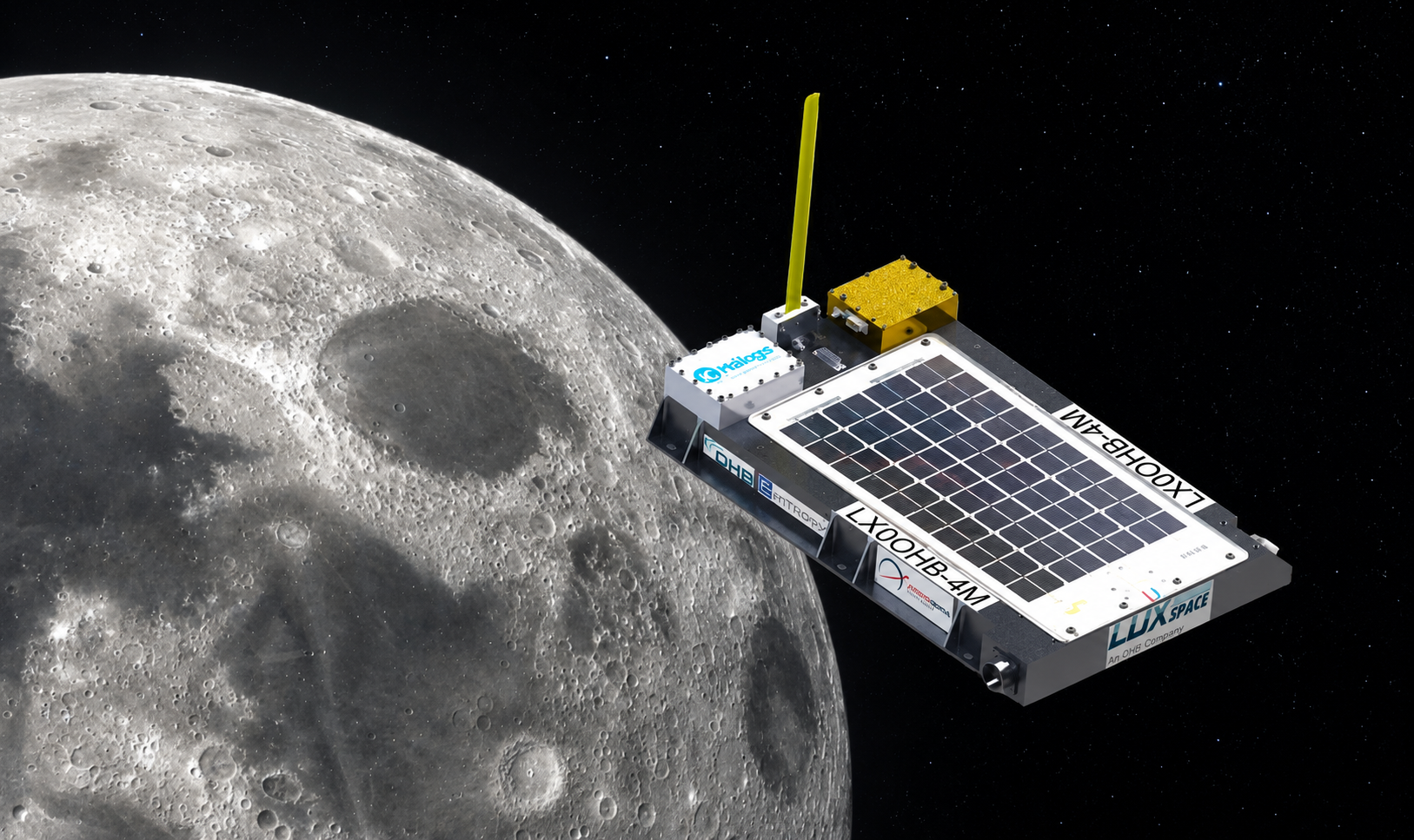
The 4M mission (or Manfred Memorial Moon Mission) was a landmark private deep-space mission, achieving a lunar flyby and demonstrating long-distance communication from beyond Earth orbit. EmTroniX served as the electronic architect, delivering the radio payload, onboard computing, and power management systems that enabled reliable communication over distances of up to 400,000 km.

Launched October 2014
Featured

LuxSpace

Product

Full radio Payload
Onboard computing systems
Power management electronics

HERA Juventas Cubesat

HERA Juventas Cubesat

HERA Juventas Cubesat

JuRa is an advanced radar instrument onboard European Space Agency’s Hera mission, designed to study the internal structure of asteroids in deep space. EmTroniX developed the complete radar payload electronics, enabling high-performance signal generation and processing within a compact CubeSat architecture.

Launched October 2024
Featured

ESA

Product

Radar Payload Electronics
S-Band TT&C Antenna

Yuri Science Taxi BioSpin

Yuri Science Taxi BioSpin

Yuri Science Taxi BioSpin

ScienceTaxi BioSpin is a next-generation microgravity research platform deployed on the International Space Station (ISS), enabling automated life science experiments in orbit. Developed by Yuri, the system supports multiple experiments in parallel under controlled conditions. EmTroniX, now part of the Anywaves group, provided the core electronics and embedded software enabling reliable and autonomous operation in space.

Launched September 2025
Featured

Yuri

Product

Electronics and embedded software

CO3D

CO3D

The CO3D mission is a next-generation Earth observation constellation developed by CNES and Airbus to deliver high-resolution 3D mapping of the Earth. Anywaves contributed advanced space antenna technologies supporting reliable satellite communications and mission performance in orbit.

Launched July 2025
Featured

Airbus Defence and Space
CNES

Product S-Band TT&C Antenna
celeste leo-pnt anywaves antennas on board

Celeste

Celeste

Celeste is ESA’s Pathfinder mission for the LEO-PNT programme, designed to demonstrate precision navigation and timing from low Earth orbit as a precursor to a full navigation constellation. It is one of the most high-profile LEO-PNT missions in Europe, and the Anywaves GNSS All-Bands Antenna was selected for its multi-constellation all-bands coverage — a natural fit for a mission dedicated to precision positioning.

Launched October 2024
Featured

ESA
OHB System

Product Quadrifilar Helix Antenna GNSS All-Bands Antenna
Proba-V Companion CubeSat

Proba-V Companion CubeSat

Proba-V Companion CubeSat

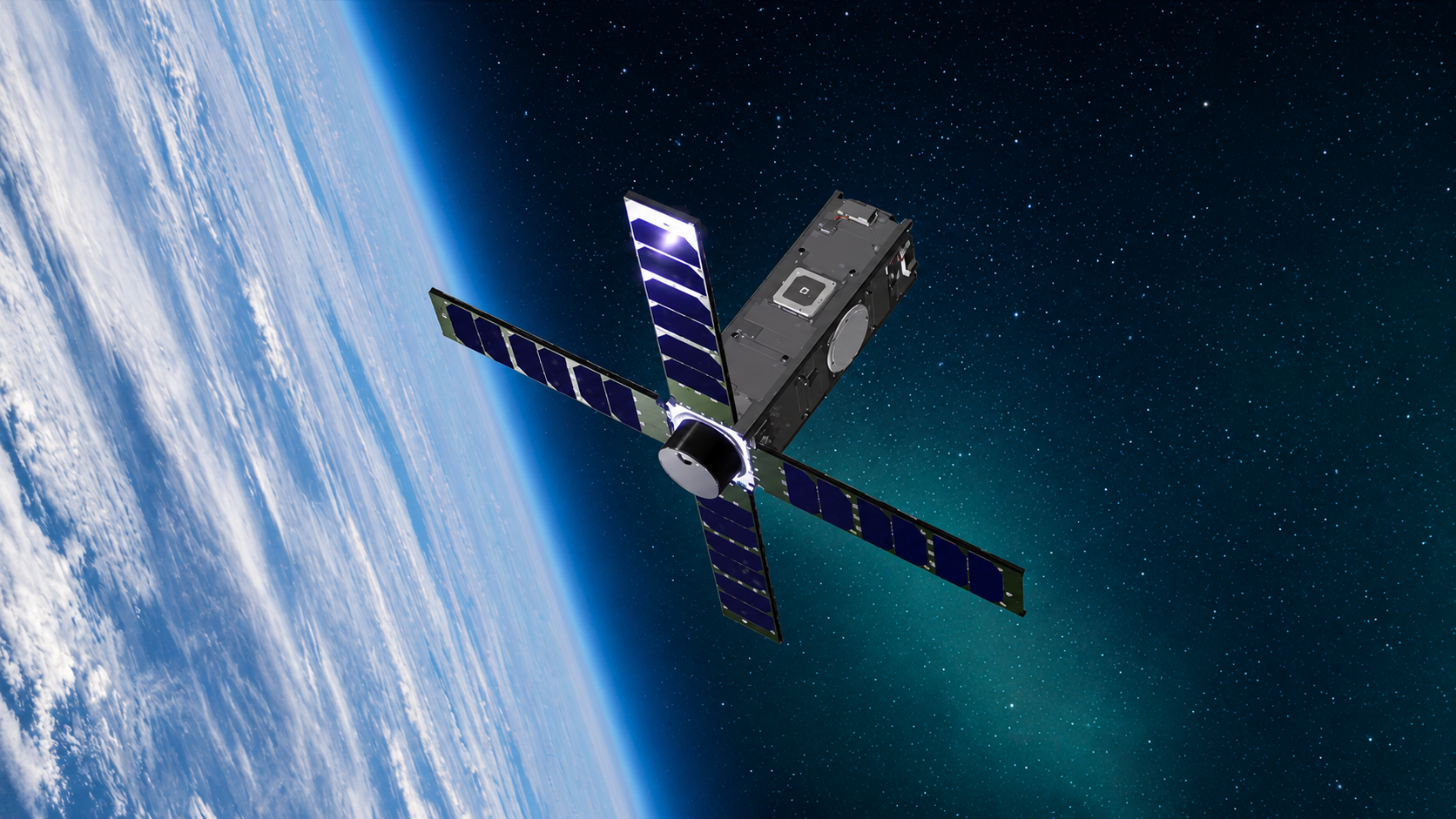
Launched on 2 June 2023 by European Space Agency, the Proba-V Companion CubeSat demonstrates low-cost Earth observation and vegetation monitoring technologies. Anywaves supplied both the X-Band antenna for high-speed data downlink and the S-Band TT&C antenna, showcasing its expertise in advanced CubeSat communications systems.

Launched June 2023
Featured

ESA
Aerospace lab
OIP Sensor System

Product Compact X-Band Antenna Compact S-Band TT&C Antenna

Hera Mission

Hera Mission

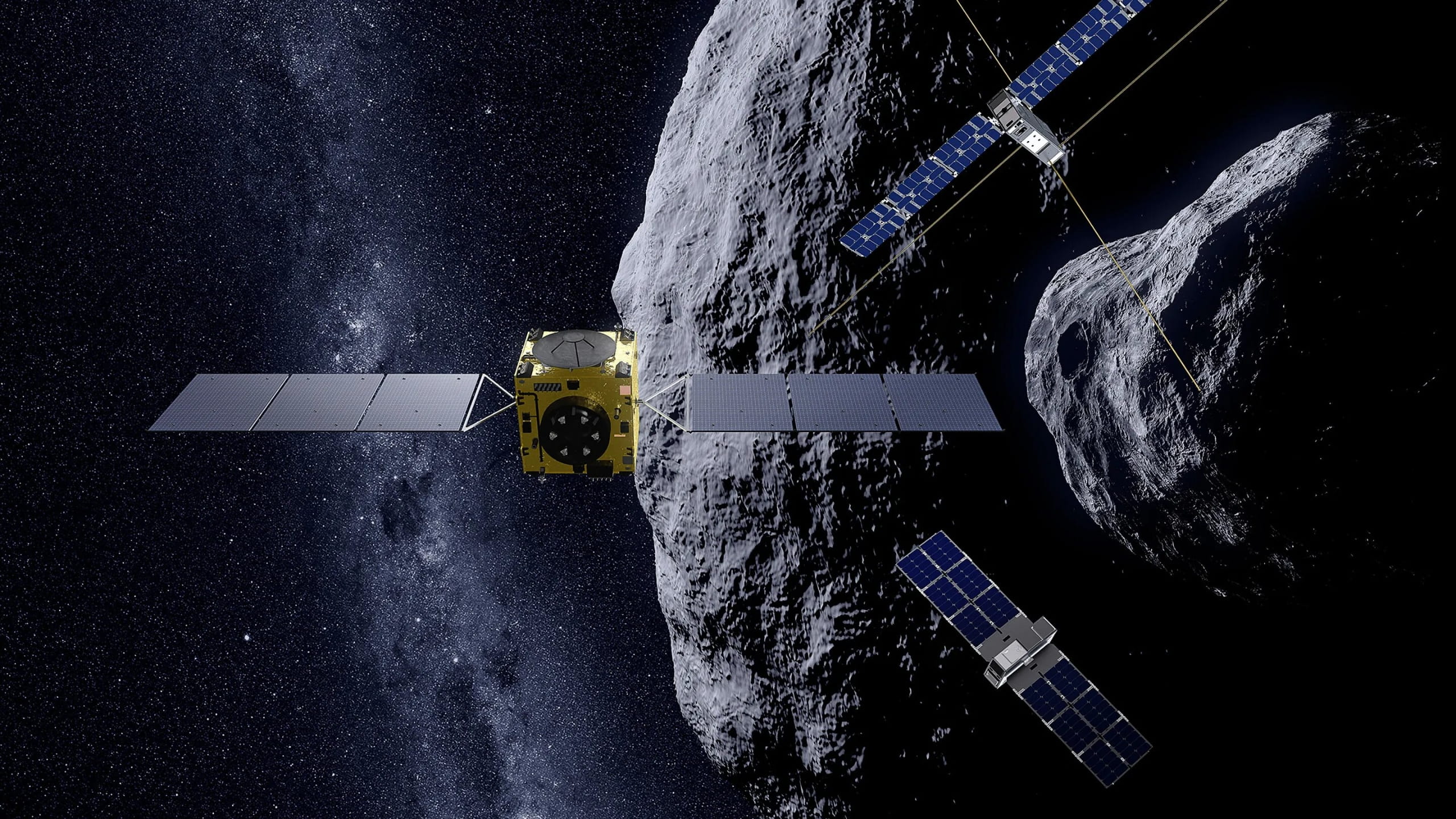
Launched on 7 October 2024, European Space Agency’s Hera mission is a pioneering planetary defense mission studying the aftermath of NASA’s DART asteroid impact. Anywaves supplied advanced S-Band TT&C antennas, enabling reliable spacecraft communications for this landmark deep-space exploration mission.

Launched October 2024
Featured

ESA

Product

S-Band TT&C Antenna
Radar Payload Electronics

YAM-3 Loft Orbital with Anywaves Antennas

YAM-3

YAM-3

Launched in June 2021, YAM-3 was a pivotal satellite for Loft Orbital, exemplifying its ability to support multiple, diverse missions on a single satellite. With the support of Anywaves’ S-band antennas, YAM-3 maintained reliable communication channels, enabling Loft to carry out these diverse missions on a single satellite platform.

Launched September 2020
Featured

Loft Orbital

Product S-Band TT&C Antenna
N3SS Mission CNES Spectrum Surveillance Satellite

N3SS

N3SS

The N3SS (Nanosat 3U pour la Surveillance du Spectre) satellite, initiated by CNES, operates as an in-orbit demonstrator, emphasizing planetary surveillance of the civilian radiofrequency spectrum in the L and S bands and keenly analyzing jamming sources.
Developed by the startup U-Space and inspired by the EyeSat platform, its communication capabilities are bolstered by Anywaves’ precision-engineered antennas.
While the S-Band TT&C Antenna showcases a strong flight heritage, the innovative Ceramic 3D Printed GNSS L1/E1 Bands Antenna, developed under an ESA contract, marks its inaugural journey, contributing significantly to the satellite’s mission goals.

Launched January 2023
Featured

U-Space
CNES

Product S-Band TT&C Antenna
EyeSat CNES Anywaves Antennas

EyeSat

EyeSat

The EyeSat satellite, launched on the 18th of December 2019, is a mission orchestrated by CNES (the French National Centre for Space Studies) with the primary objective of demonstrating and validating advanced space technologies.

Specifically designed to observe the zodiacal light and Milky Way’s interstellar medium, EyeSat promises to contribute valuable scientific data to the astronomical community.

Integral to its operational success were three state-of-the-art antennas provided by Anywaves, optimized for S-band and X-band frequencies. These antennas ensured robust and dependable communication links between the satellite and its terrestrial counterparts, underscoring the synergy between CNES’s ambitious objectives and Anywaves’ technological prowess.

Launched December 2019
Featured

CNES

Product S-Band TT&C Antenna Compact X-Band Antenna
Angels CNES Anywaves Antennas

Angels

Angels

The “Angels” satellite, another notable initiative by CNES (the French National Centre for Space Studies), represents one of the most compact yet advanced nano-satellite platforms geared towards enhancing Earth observation capabilities.

Set against the backdrop of advancing French space technology, Angels aims to demonstrate the feasibility and effectiveness of miniaturized satellite solutions in collecting high-resolution data from space.

A fundamental part of this mission’s communication infrastructure was backed by Anywaves’ precision-engineered antennas. Specifically tailored for S-band and X-band frequencies, these antennas served as the satellite’s lifeline, ensuring seamless and reliable data transmission between space and Earth.

Launched December 2019
Featured

CNES

Product S-Band TT&C Antenna Compact X-Band Antenna
VesselSat 1 and 2

VesselSat 1 and 2

VesselSat 1 and 2

VesselSat-1 and VesselSat-2 are pioneering nanosatellites that marked the transition from experimental to fully operational space-based AIS maritime tracking. Developed for Orbcomm, they enabled continuous global vessel monitoring with unprecedented reliability. EmTroniX provided the core AIS payload and onboard electronics, delivering high-sensitivity signal reception capable of handling dense maritime traffic and enabling real-time global ship tracking.

Launched October 2011
Product

Electronics and embedded software

ColAIS (Colombus AIS)

ColAIS

ColAIS

ColAIS (Colombus AIS) brought space-based AIS detection to the International Space Station, demonstrating large-scale maritime signal analysis from orbit. Installed on the Columbus module, the payload provided valuable insights into VHF signal propagation and collision behaviour. EmTroniX developed ISS-qualified electronics and signal processing capabilities, ensuring safe, high-performance operation in a human-rated environment.

Launched September 2009
Featured

ESA

Product

FPGA-based receiver electronics
Power management systems

High gain. Compact stowage. Flight proven.

Tell us about your payload requirements and platform constraints. Our RF engineers will design a reflectarray antenna to match your mission — backed by the world’s first commercial reflectarray heritage in orbit.

Questions & Answers

  • What is a reflectarray antenna and how does it work?

    A reflectarray antenna replicates the performance of a parabolic dish reflector using a flat surface of phase-shifting elements. A feed horn illuminates the flat panel at close range; each element on the panel is designed to reflect the incoming wave with a precise phase offset, so that the reflected wavefronts combine constructively in the desired beam direction. The result is a high-gain, highly directive beam equivalent to that of a parabolic reflector, but produced from a flat surface that can be folded for launch and deployed in orbit. This makes it possible to achieve very high gains (up to 40 dBi in Anywaves’ design) in a volume-constrained small satellite, something that is not achievable with a parabolic dish within the same launch envelope.
  • What applications is the Reflectarray Antenna designed for?

    The Anywaves Reflectarray Antenna is designed for satellite payload applications that require very high gain (up to 40 dBi) combined with compact stowage. Primary applications include high-data-rate communications downlinks (Earth-to-space or inter-satellite), where gain directly determines achievable throughput; Earth observation payloads requiring a narrow, high-gain beam for precise ground coverage; and dual-use missions where the antenna’s dual-circular polarization capability supports both communications and polarimetric radar functions. It is a custom product: frequency band, gain, aperture size and deployment mechanism are all tailored to each mission.

  • How does the passive deployment mechanism work?

    The reflectarray panels are folded against the satellite body for launch, held in place by a release mechanism. On command in orbit, the release is triggered and the panels unfold through stored mechanical energy (springs or similar passive elements) — no motor, no electrical actuator, no software-driven sequence. Precision-guided folding systems and locking interfaces between the central and lateral sections ensure that the deployed geometry is deterministic and repeatable. Once locked in the deployed position, the structure is rigid and thermally stable. This passive approach maximises mechanical reliability by eliminating actuator failure modes, which is critical for a one-shot deployment.

  • What does dual-circular polarization mean and why does it matter?

    Dual-circular polarization means the antenna simultaneously supports Left Hand Circular Polarization (LHCP) and Right Hand Circular Polarization (RHCP) from the same aperture, typically through two separate RF ports. In a communications application, this doubles the spectral efficiency: both polarizations can carry independent data streams, effectively doubling data throughput without increasing the aperture area. In SAR applications, simultaneous dual-circular polarization enables fully polarimetric measurements, which provide richer target characterisation than single-polarization radar. In both cases, the dual-pol capability is delivered by a single antenna, avoiding the mass, volume and integration complexity of a two-antenna solution.
  • How does the Reflectarray Antenna compare to the Slotted Waveguide Array Antenna?

    Both are custom-designed high-gain flat payload antennas, but they serve different gain regimes and application profiles. The Slotted Waveguide Array achieves gains above 20 dBi with a fractional bandwidth of about 5%, within a fully rigid full-metal structure no thicker than 10 mm — optimised for high power handling (SAR transmit) and ESD-free operation. The Reflectarray achieves gains up to 40 dBi with a fractional bandwidth up to 15%, through foldable panels that stow to 360 × 210 × 30 mm — optimised for maximum gain in a constrained launch volume. The right choice depends on the required gain level, available stowage volume, power level, and whether deployability is a design driver for the mission.

Reflectarray antenna: deployable high-gain payload for small satellites, TRL 9

The Anywaves Reflectarray Antenna is a TRL 9, flight-proven, custom-designed high-gain payload antenna for small satellites — the world’s first commercial reflectarray antenna deployed in orbit on a small satellite. Originally developed under a CNES programme, it delivers up to 40 dBi of realised gain from X-band to Ka-band (scalable toward Q/V bands) within a fractional bandwidth of up to 15%, using foldable flat panels that replicate the performance of a parabolic reflector. Available in dual-circular polarization (simultaneous LHCP and RHCP). 

The antenna stows to 360 × 210 × 30 mm for launch and deploys through a passive mechanism — no motor, no electrical actuation — with precision-guided locking interfaces ensuring deterministic geometry and structural rigidity in orbit. Passive thermal control is integrated. Optional LNB. All parameters (frequency, gain, aperture, deployment sequence) are defined jointly with the customer. Acceptance tests included. ITAR Free.

Your product list
Get a quote
Download datasheets
Loading…

Your product list is currently empty. Browse our portfolio and add products to download datasheets or request a quote.

Discover our products Discover our products

Get a quote
Download Datasheet